


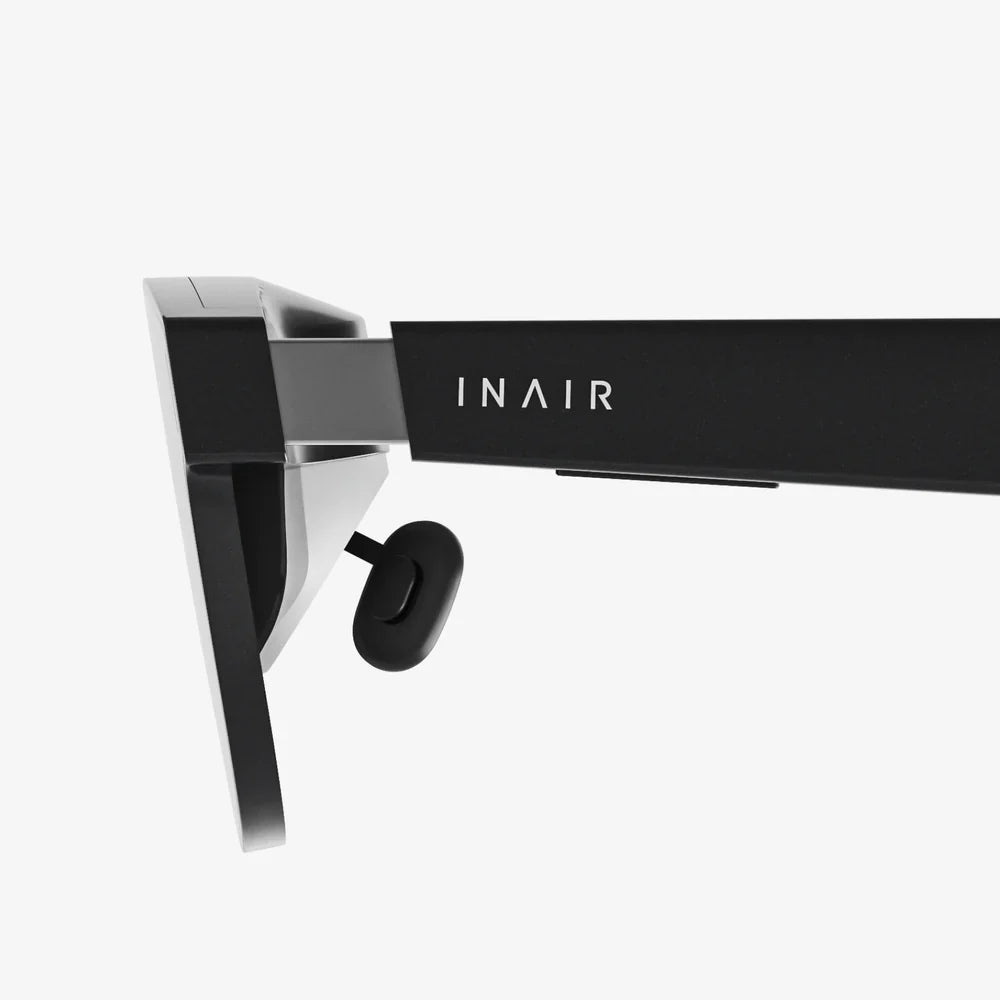
Imagine a device so intuitive, so seamlessly integrated into your perception, that the line between the digital and the physical world doesn't just blur—it vanishes. This is the promise, the allure, and the breathtaking reality of modern virtual reality gear. It’s a portal to impossible places, a tool for profound connection, and a canvas for the next great artistic and technological renaissance, all waiting for you to take the plunge and see what lies beyond the screen.
The Architectural Marvel of Modern Immersion
At its core, virtual reality gear is a symphony of precision engineering and sophisticated software, all working in concert to trick the most complex computer known to humanity: the human brain. The experience begins with the headset itself, a wearable computer that serves as your gateway. Inside, high-resolution displays are positioned mere centimeters from your eyes, filling your entire field of view. But a simple screen is not enough; specialized lenses bend and focus the light from these displays, creating a stereoscopic 3D effect that gives depth and scale to the virtual environment. This optical assembly is crucial, making a finite screen feel like an infinite world.
The magic, however, lies in the tracking. To sell the illusion that you are truly inside a digital space, the gear must know where you are and what you are doing with incredible speed and accuracy. This is achieved through a combination of technologies. Inside-out tracking uses integrated cameras and sensors on the headset to map the physical room around you, anchoring the virtual world to your real one. Gyroscopes and accelerometers measure the minutest movements of your head—a tilt, a nod, a sudden turn—and translate them instantly into the digital realm. This low-latency response is non-negotiable; any delay between your physical movement and the virtual response can break immersion and, for some, cause discomfort.
Beyond Sight: The Symphony of Sensory Feedback
While vision is the primary sense engaged, true immersion requires a fuller sensory palette. Advanced audio solutions are a cornerstone of this effort. Spatial audio technology mimics how sound behaves in the real world. A sound source to your left will be louder in your left ear, with subtle acoustic cues telling your brain the sound's location and distance. This allows for breathtaking moments of realism, like hearing raindrops falling around you or pinpointing the footsteps of an approaching entity, all without ever needing to see it.
The next frontier of tactile feedback is being pioneered through sophisticated controllers and, increasingly, haptic suits and gloves. These devices use precise vibrations, force feedback, and even electrical muscle stimulation to simulate the feeling of touch. Imagine feeling the recoil of a virtual weapon, the texture of a virtual stone wall under your fingertips, or the gentle push of a digital ocean current against your body. This evolution from simply observing a world to being able to feel it represents a quantum leap in the potential of the medium.
A Revolution in Accessibility and User Experience
The journey of virtual reality gear has been one of remarkable democratization. Early systems were prohibitively expensive, required a powerful external computer, and involved a complex setup of external sensors. The paradigm shift towards standalone, all-in-one devices has been a game-changer. These wireless headsets contain all the necessary processing power, battery, and tracking technology within the unit itself. Users are no longer tethered by cables to a stationary machine; they are free to turn, crouch, walk, and explore their virtual playgrounds with complete physical freedom.
This leap in accessibility has flung open the doors to a much wider audience. The barrier to entry has plummeted, not just in cost but in technical complexity. Setting up a modern system is often as simple as putting on the headset and tracing a boundary on the floor. This user-centric design philosophy has been instrumental in moving the technology from the realm of hardcore enthusiasts and research labs into the living rooms of everyday consumers, making immersive experiences a viable form of entertainment, education, and social connection for millions.
Transforming Industries Beyond Entertainment
While gaming remains a flagship application, the impact of this technology reverberates far beyond. In the field of medicine, surgeons use detailed virtual simulations to practice complex procedures without risk to a patient, medical students explore detailed anatomical models in 3D space, and therapists use controlled virtual environments to treat phobias and PTSD. The architecture and engineering sectors use it for immersive design visualization, allowing clients to "walk through" a building before the foundation is even poured.
Education is undergoing a quiet revolution. Instead of reading about ancient Rome, students can don a headset and stand in the Roman Forum, witnessing history unfold around them. Corporate training has been transformed, with employees practicing public speaking in virtual auditoriums or learning dangerous machinery operations in a consequence-free simulation. The potential for remote collaboration is staggering, with teams from across the globe meeting in a shared virtual workspace as if they were in the same room, manipulating 3D models and data streams with an intuitive physicality that flat screens cannot match.
The Metaverse and the Social Fabric of Tomorrow
This technology is the foundational hardware for the emerging concept of the metaverse—a persistent network of shared, interconnected virtual spaces. It is here that the gear transforms from a solitary viewing device into a social platform. Through the use of avatars, individuals can gather, communicate, and share experiences with a sense of presence that video calls cannot replicate. Virtual concerts, movie nights, business meetings, and family gatherings are already happening, fostering connection across vast geographical divides.
This new social dimension raises important questions about identity, community, and digital ethics. How do we represent ourselves in these spaces? How do we build healthy communities and establish norms of behavior? The technology provides the platform, but it is up to us, the users, to shape the culture of these new digital frontiers, ensuring they are inclusive, safe, and positive extensions of our social lives.
Navigating the Challenges on the Horizon
For all its promise, the path forward is not without its obstacles. "VR fatigue" or cybersickness, caused by a disconnect between visual motion and physical stillness, remains a hurdle that developers are tackling with improved hardware and smarter software design. There are also valid concerns about data privacy, as these devices can collect highly detailed information about a user's environment, movements, and even biometric responses.
The cost of high-end equipment, while falling, is still a barrier for many. Furthermore, creating a truly compelling and comfortable experience requires significant computational power, which presents challenges for making the technology both wireless and graphically stunning. Finally, there is the philosophical question of escapism—ensuring that these enriching virtual worlds complement our physical reality rather than serve as a replacement for it.
The Unwritten Future of Immersive Technology
The horizon gleams with possibilities that sound like science fiction. Research into brain-computer interfaces suggests a future where we might navigate virtual spaces through thought alone. Haptic technology is advancing towards full-body suits that can simulate temperature, pressure, and resistance. Eye-tracking technology will allow for foveated rendering, where only the area you are directly looking at is rendered in full detail, drastically increasing efficiency and visual fidelity.
We are moving towards a future of photorealistic avatars driven by real-time facial expression capture, making digital interactions profoundly human. The very form factor of the gear will continue to evolve, shrinking from a headset to something resembling everyday eyeglasses, further erasing the barrier between our digital and physical lives. This is not merely an evolution of a gadget; it is the dawn of a new medium for human experience.
This is no longer a glimpse into a distant future; it’s an invitation to a new layer of reality available today. The gear is polished, the libraries of experiences are vast and growing, and the community is vibrant. The only thing standing between you and standing on the surface of Mars, creating a masterpiece in 3D space, or sharing a laugh with a friend in a virtual world is the decision to reach out and put it on. Your new reality is waiting.
Share:
My AR Glasses Can: Transforming Reality and Redefining Human Potential
AR Glasses Packaging: The Unboxing Experience as a Gateway to the Metaverse