


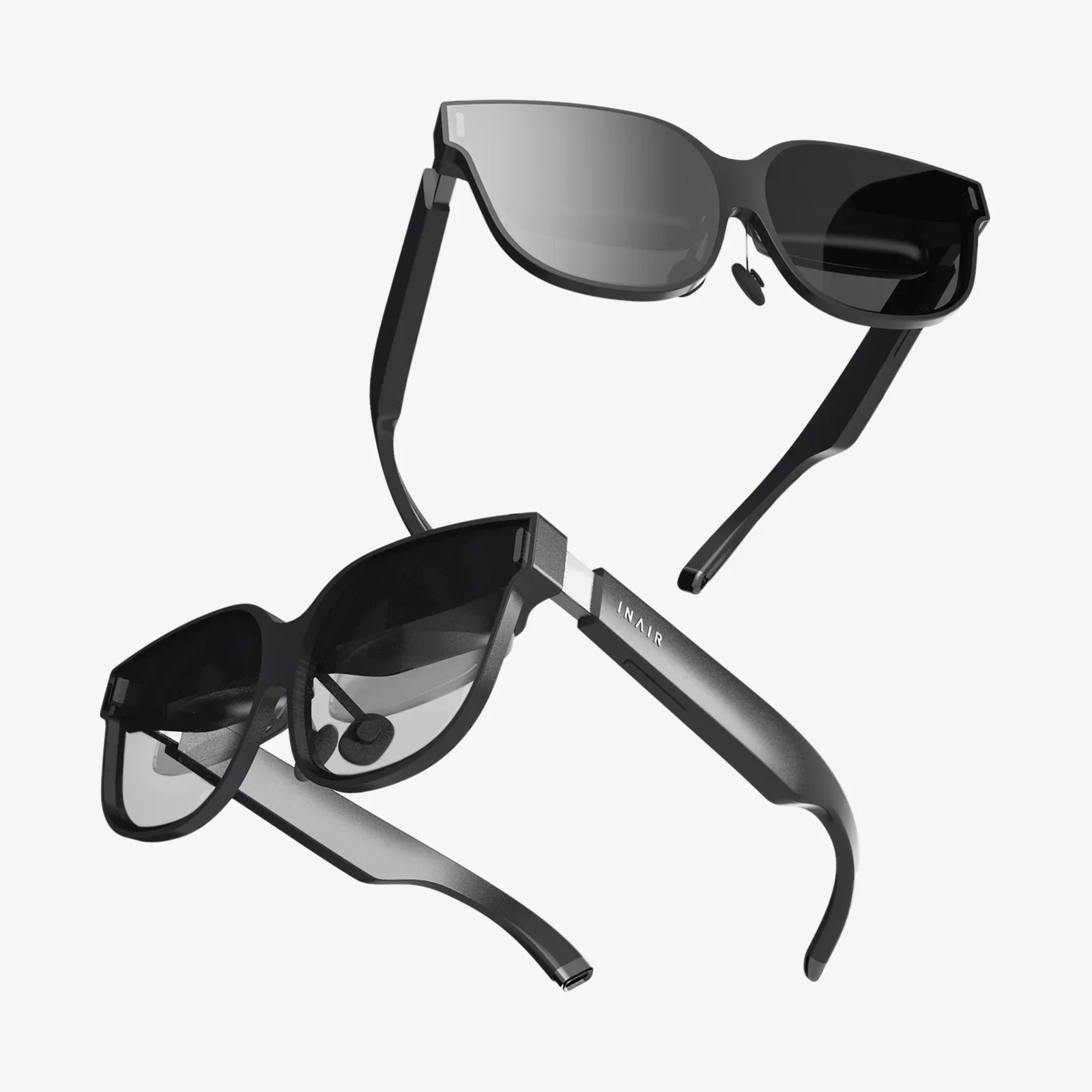
Imagine a world where you can attend a meeting in Tokyo, walk through the ruins of ancient Rome, and consult with a top surgeon—all before lunch, without ever leaving your home. This is no longer the stuff of science fiction but the rapidly approaching reality of our hybrid existence, where the line between what is virtual and what is real becomes increasingly difficult to discern. The tension and synergy between these two realms are reshaping every facet of human life, from how we work and learn to how we connect and perceive truth itself.
The Philosophical Foundations: What Constitutes Reality?
For centuries, philosophers have grappled with the nature of reality. Plato’s Allegory of the Cave suggested that what we perceive as reality might merely be shadows cast on a wall. Fast forward to the 21st century, and this ancient thought experiment feels eerily prophetic. The digital age has introduced a new layer to this perennial question. If we can have deeply emotional connections with people we’ve never met in the flesh, experience the adrenaline rush of a virtual rollercoaster, or feel genuine sadness at the destruction of a digital world we helped build, can those experiences be considered less "real"?
The concept of simulated reality argues that if a experience is indistinguishable from reality, then, for all practical purposes, it is reality to the participant. This doesn't mean the physical world has lost its primacy, but rather that our definition of what is "real" must expand to encompass experiences that, while digitally mediated, produce genuine emotional, psychological, and even physiological responses. The tear shed during a poignant moment in a virtual narrative is a real tear; the joy felt upon achieving a goal in a game is real joy. The medium may be artificial, but the human experience is not.
The Psychological Impact: How Our Brains Navigate Two Worlds
Our brains, honed by millennia of evolution for a physical existence, are now being tasked with constantly context-switching between physical and digital environments. This has profound psychological implications. On one hand, virtual spaces offer unprecedented opportunities for cognitive enrichment and skill development. Complex strategy games can enhance problem-solving abilities, while detailed simulations can train surgeons, pilots, and engineers with zero real-world risk.
On the other hand, this constant immersion presents challenges. The phenomenon of proteus effect suggests that individuals begin to embody the characteristics of their digital avatars, which can be empowering if the avatar is confident, but potentially damaging if the avatar promotes negative behaviors. Furthermore, the instant gratification and perfectly curated worlds of the virtual can make the messy, unpredictable, and slow-paced nature of physical reality seem dull and unsatisfying by comparison, potentially leading to a sense of alienation or depression when disconnected.
The key lies in achieving a healthy integration. Virtual experiences should augment and enhance our physical lives, not serve as an escape from them. They can be powerful tools for therapy, allowing individuals to confront fears in a controlled setting, or for fostering empathy by allowing people to "walk a mile" in someone else’s shoes through immersive storytelling.
The Social Fabric: Connection and Community in a Digital Age
One of the most significant battlegrounds in the virtual vs reality debate is human connection. Critics argue that digital interactions are a poor substitute for the richness of face-to-face communication, lacking nuance, physical touch, and shared presence. They point to rising levels of loneliness and social anxiety despite—or perhaps because of—our hyper-connectedness.
Conversely, advocates highlight how virtual spaces have dismantled barriers of geography, economics, and physical ability, creating communities that would be impossible in the physical world. For individuals with rare diseases, niche interests, or social anxieties, these digital communities provide a vital lifeline and a profound sense of belonging. A friendship forged through shared triumphs in an online game or deep discussions in a forum is no less valid than one formed in a neighborhood park. The medium is different, but the fundamental human need for connection is being met.
The future of social interaction is likely not a choice between one or the other, but a hybrid model. We will fluidly move between physical gatherings and virtual meetups, understanding that each modality offers unique advantages. The challenge is to design these virtual spaces to encourage positive, meaningful, and authentic human interaction, rather than the shallow performative engagement that often characterizes current social media landscapes.
The Economic and Professional Landscape: The Metaverse of Work
The world of work is undergoing a radical transformation fueled by the convergence of virtual and physical realities. The rise of remote work, accelerated by global events, was just the beginning. We are now moving towards truly immersive virtual workspaces. Imagine collaborating on a 3D model of a new building with colleagues across the globe, all of you able to walk through and manipulate the design as if you were in the same room. Or training for a complex physical procedure using a haptic feedback system that provides the sensation of touch.
This shift promises to democratize opportunity, allowing talent to be sourced and utilized from anywhere on the planet. It can reduce the environmental footprint of business travel and office infrastructure. However, it also raises serious questions about surveillance, data ownership, and the potential for a new digital divide. Will access to high-quality virtual reality hardware and high-speed connectivity become a prerequisite for economic participation, creating a new class of those left behind in the physical world? The economic models of the future will need to navigate these challenges carefully to ensure an equitable distribution of the benefits.
The Ethical Frontier: Identity, Ownership, and Truth
As we spend more of our lives in virtual spaces, complex ethical questions emerge that society is only beginning to grapple with. In a world where our digital selves can look, act, and interact differently from our physical selves, what constitutes identity? If someone is harassed or assaulted in a virtual space, and it causes real psychological trauma, how is that crime adjudicated? The concept of digital ownership becomes paramount—who owns the virtual land, the digital art, the unique items created or purchased within these worlds?
Perhaps the most pressing ethical concern is the erosion of a shared reality. Deepfakes, hyper-realistic simulations, and algorithmically generated content make it increasingly difficult to distinguish fact from fiction. When anything can be convincingly faked, trust in institutions, media, and even visual evidence begins to crumble. This is not just a virtual problem; it has dire consequences for democracy, public health, and social cohesion in the physical world. Developing digital literacy and new frameworks for verifying authenticity will be one of the defining challenges of this century.
Finding Synthesis: The Path to a Balanced Existence
The most productive way to view the relationship between virtual and reality is not as a binary opposition but as a spectrum of experiences. The goal is not to reject one for the other, but to cultivate a mindful and intentional approach to both. This means designing technology that serves human well-being, not just engagement metrics. It means creating digital experiences that complement and enrich our physical lives, rather than seeking to replace them.
It involves setting boundaries to ensure we remain present in our physical bodies and our local environments, appreciating the irreplaceable tangibility of a hug, the smell of rain, or the taste of a home-cooked meal. It means using the virtual to enhance our appreciation for the physical—using a simulation to understand the fragility of an ecosystem, for instance, can inspire more passionate real-world conservation efforts. The ultimate potential of the virtual is not to create a new world to escape to, but to provide us with new tools, perspectives, and connections that empower us to live better, more informed, and more fulfilling lives in our shared physical reality.
The next time you put on a headset or dive into a captivating digital narrative, remember you are not leaving reality behind—you are stepping into a new dimension of it. The power to shape this fusion of atoms and bits, to ensure it fosters humanity rather than fractures it, remains one of our greatest and most collective responsibilities. The future isn't about choosing a side; it's about weaving the two into a tapestry of human experience richer than anything we've known before.
Share:
Spatial Audio Sounds: The Immersive Revolution Reshaping Our Sonic Experience
Interactive Window Display: The Future of Retail is Transparent and Engaging