


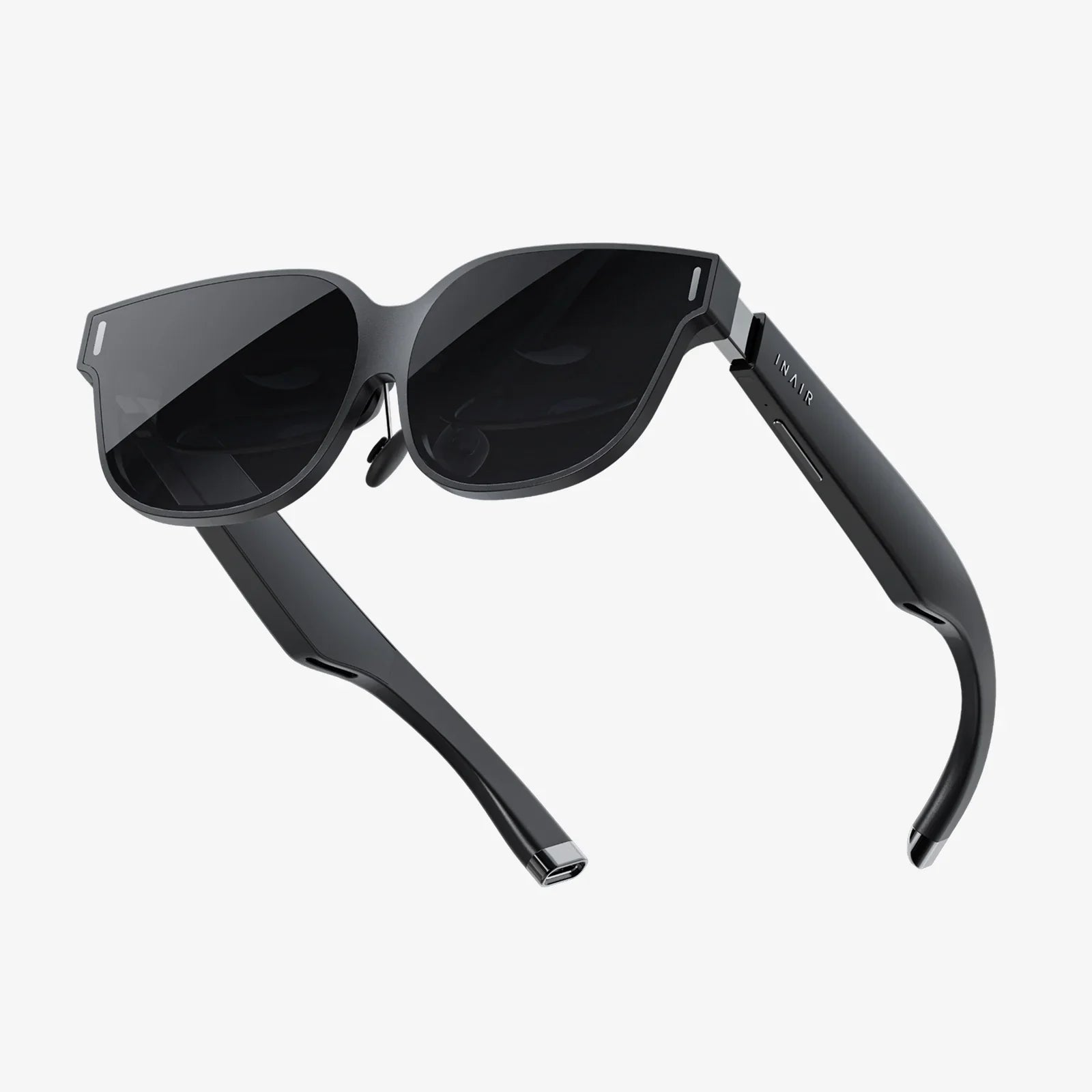
Imagine logging into work not through a flat screen, but into a dynamic, digital headquarters where your international team gathers by a virtual water cooler, brainstorming happens on infinite whiteboards that defy physics, and the sense of presence is so palpable you forget the miles between you. This is the ambitious promise of next-generation virtual work spaces, a technological leap poised to dismantle the remaining barriers of remote work and forge a new paradigm for how we connect, create, and collaborate. The sterile grid of video calls is giving way to a world of immersive, interactive environments, and the implications for businesses and employees are nothing short of revolutionary.
The Evolution Beyond the Video Call Grid
The journey to sophisticated virtual work spaces began with the humble tools of digital communication. Email and instant messaging broke down time barriers, while video conferencing introduced a crucial visual element to remote interaction. However, these tools often replicated the feeling of a meeting without replicating the nuance of an office. They were excellent for scheduled, formal discussions but failed to capture the spontaneous, serendipitous interactions—the hallway conversations, the quick desk-side questions, the overheard ideas—that are the lifeblood of innovation and team cohesion.
The limitations became glaringly apparent with the mass shift to remote work. Teams experienced "Zoom fatigue," a unique form of mental exhaustion caused by intense, sustained eye contact and the cognitive load of interpreting non-verbal cues on a delayed, pixelated screen. Collaboration often became a stilted process of screen-sharing static documents, losing the dynamic energy of a team huddled around a physical whiteboard. This gap between mere communication and genuine collaboration created a pressing need for a more holistic solution. The market responded not with incremental improvements, but with a fundamental reimagining: the persistent, embodied, and interactive virtual work space.
Defining the Modern Virtual Work Space
So, what exactly distinguishes a modern virtual work space from a standard video call? It is characterized by several core principles that move beyond simple communication into the realm of shared experience.
Persistence: Unlike a video call that vanishes when the last person leaves, a virtual work space is a permanent digital location. It exists 24/7, allowing team members from any time zone to enter, see what’s been worked on, leave notes, or continue a project asynchronously. It becomes a digital office that is always open.
Spatial Audio and Video: This is a game-changer for natural interaction. Instead of hearing everyone equally regardless of their position on screen, spatial audio makes it seem like a colleague’s voice is coming from the direction of their avatar. This allows for organic side conversations; you can literally "walk" your avatar over to a small group to hear what they’re discussing, just as you would in a physical room, eliminating the chaotic "you go, no you go" dynamic of large video calls.
Embodied Interaction through Avatars: Users are represented by avatars, ranging from simple 2D pictures to full 3D representations. This embodiment provides a proxy for physical presence, allowing for non-verbal cues like orientation, movement, and gesture, which are critical for signaling engagement and intent.
Integrated and Interactive Tools: The environment is embedded with the tools of work. Whiteboards are not just for drawing; they can host sticky notes, import images, and even connect to project management software. Screens can display shared documents that multiple people can edit simultaneously. The space itself is the canvas for collaboration.
The Tangible Benefits of a Digital HQ
The shift to these advanced environments offers a multitude of advantages for organizations willing to embrace them.
Supercharged Collaboration and Creativity: Virtual work spaces break down the formal barriers of scheduled meetings. Teams can spontaneously gather in a virtual room to jam on an idea, using interactive tools to build concepts visually and iteratively. The ability to rapidly prototype ideas in a shared, mutable space can significantly accelerate innovation cycles and foster a more inclusive environment where every participant can contribute equally.
Reinforcing and Building Company Culture: Culture is often forged in informal moments. Virtual spaces can host virtual town halls, coffee chats, birthday celebrations, and team-building games in custom-designed environments that reflect the company’s brand and values. This helps remote employees feel a genuine sense of belonging and connection to their colleagues and the organization’s mission, combating the isolation that can plague distributed teams.
Unprecedented Flexibility and Global Talent Access: By creating a truly engaging digital headquarters, companies can untether themselves from geographic limitations. They can tap into the global talent pool without requiring relocation, offering a work experience that is far richer and more integrated than what is possible through email and weekly video check-ins. This also provides employees with unparalleled flexibility in how and where they live their lives.
Enhanced Onboarding and Training: New hires can be onboarded into a vibrant digital office, complete with training rooms, knowledge libraries, and easy access to colleagues. Instead of a overwhelming flood of links and documents, learning becomes an exploratory and social process within the virtual environment, leading to faster ramp-up times and stronger initial connections.
Navigating the Challenges and Considerations
Despite the exciting potential, the path to implementing virtual work spaces is not without its obstacles.
The Technology Hurdle: Immersive 3D environments require significantly more bandwidth and computing power than traditional video calls. Organizations must assess their infrastructure and ensure employees have the necessary hardware and internet speeds to participate without frustration. Accessibility for those with disabilities or lower-end technology must also be a primary design and policy consideration.
The Adoption Curve and Behavioral Change:
Shifting from a established suite of tools to a new, unfamiliar platform requires change management. Employees may be hesitant or find the experience gimmicky initially. Successful implementation requires clear communication of the "why," comprehensive training, and strong leadership endorsement. It’s a cultural shift as much as a technological one.
Privacy, Security, and Digital Fatigue: These platforms generate vast amounts of data—conversations, movements, interactions. Organizations must have robust data governance, security protocols, and clear privacy policies to protect sensitive information. Furthermore, while designed to be more natural, any digital interaction can contribute to fatigue. It is crucial to establish norms that prevent "always-on" surveillance and encourage healthy digital boundaries.
Finding the Right Fit: The market offers a spectrum of solutions, from 2D canvas-based environments ideal for focused teamwork to full 3D metaverse-style platforms suited for large events. There is no one-size-fits-all solution. Companies must carefully evaluate their specific needs, team size, primary use cases, and technical constraints before selecting a platform.
Designing Your Virtual Work Space for Success
Implementation is more than just a software license. To truly reap the benefits, thoughtful design is essential.
Purpose-Driven Design: Don’t just replicate a physical office. Design for purpose. Create quiet "focus zones" where notifications are muted, collaborative "builder spaces" filled with tools, and social "lounges" for informal connection. The digital environment should facilitate different modes of work.
Onboarding and Etiquette: Develop a clear guide for how to use the space effectively. This includes avatar etiquette, when to use video vs. audio, how to use the interactive tools, and norms for interrupting or joining conversations. Setting these expectations upfront prevents confusion and ensures a smooth experience for all.
Leadership and Participation: For a virtual space to become the heart of a company, leadership must be visibly present within it. When executives host office hours, celebrate wins, and participate in social events within the virtual environment, it signals its importance and encourages widespread adoption.
Iterate and Gather Feedback: A virtual work space is a living entity. Use analytics and, more importantly, direct employee feedback to understand what’s working and what’s not. Continuously evolve the layout, tools, and policies to better serve the team’s needs.
The Future Horizon: Where Do We Go From Here?
The current state of virtual work spaces is merely the foundation. The future points toward even deeper integration and immersion. We are moving toward the seamless blending of physical and digital desks, where augmented reality (AR) overlays digital information onto our real-world surroundings and virtual reality (VR) offers even deeper levels of presence for critical collaborative sessions. The integration of AI will be profound, with assistants that can transcribe meetings in real-time, translate languages on the fly, summarize discussion points, and even manage administrative tasks in the background. Furthermore, the concept of interoperability—where your digital identity, assets, and accomplishments can move seamlessly between different virtual platforms—will be key to building a cohesive and open digital future for work.
The transition to advanced virtual work spaces is not about replacing human connection with a digital substitute. It is about using technology to amplify our humanity across distances, to forge stronger bonds, and to unlock collective potential in ways we were previously constrained from doing. It’s about building a future of work that is not just remote, but is truly connected, profoundly creative, and intentionally human, no matter where in the world your team calls home.
Share:
Hologram Photo: Capturing Light Itself and Redefining Reality
Hologram Photo: Capturing Light Itself and Redefining Reality