


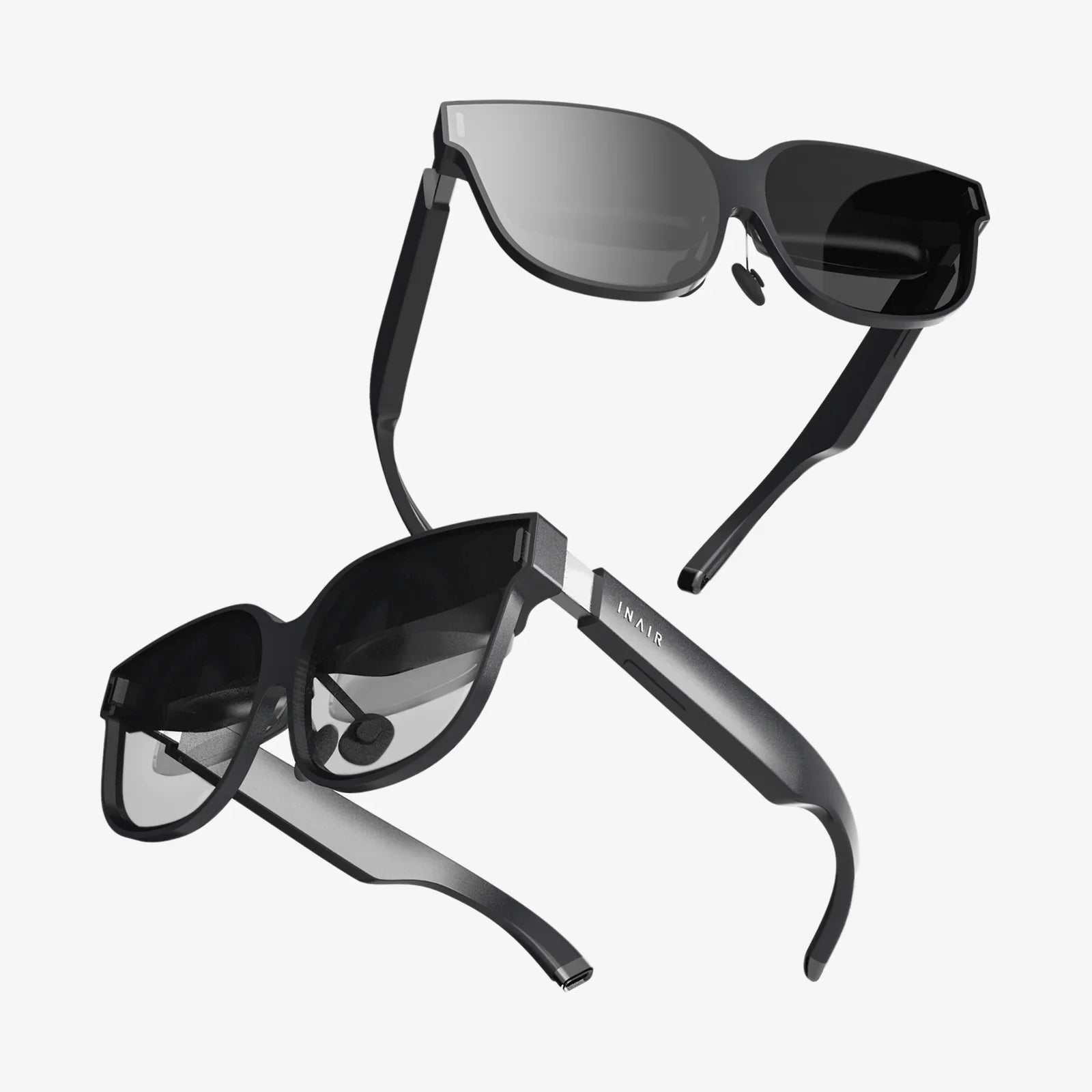
Imagine an office without walls, a boardroom without a table, and a watercooler without the water—a dynamic, digital realm where geography is irrelevant and productivity is redefined. This is the promise and the reality of the virtual workspace, a concept that has exploded from a niche tool into a global necessity. But what does it truly mean? It's far more than just a collection of video conferencing apps; it's a complete architectural and cultural shift in how we connect, create, and collaborate. Unpacking the full virtual workspace meaning is essential for any individual or organization looking to not just survive, but thrive in the new world of work.
Beyond the Buzzword: Deconstructing the Core Definition
At its simplest, a virtual workspace is a digital environment that replicates and often enhances the functionalities of a physical office. It is the technological ecosystem that enables a distributed workforce to perform their duties from any location. However, this basic definition barely scratches the surface. The true virtual workspace meaning encompasses several interconnected layers:
- A Technological Platform: This is the foundation—the integrated suite of software and tools that facilitates communication (video, chat, voice), collaboration (shared documents, whiteboards, project management), and access to resources (cloud storage, company databases).
- A Operational Methodology: It represents a new way of working. This includes asynchronous communication, result-oriented performance metrics, and digital workflows that replace physical hand-offs.
- A Cultural Manifesto: Perhaps most importantly, it embodies a culture of trust, autonomy, and flexibility. It moves away from the industrial-era model of measuring presence and toward a knowledge-economy model of measuring output and impact.
Therefore, the complete virtual workspace meaning is the fusion of technology, process, and people into a cohesive, productive, and engaging digital work environment.
The Evolution: From Simple Tools to Integrated Ecosystems
The concept of remote work is not new, but the sophistication of the virtual workspace is a relatively recent development. Its evolution tells a story of technological ambition meeting practical need.
The Early Days: Email and Instant Messaging
The earliest forms of virtual workspaces were fragmented and limited. Email allowed for asynchronous communication, but it was slow and lacked immediacy. Instant messaging platforms introduced real-time text-based chat, creating the first digital version of tapping a colleague on the shoulder. These were standalone tools that addressed single aspects of collaboration but failed to create a unified environment.
The Rise of Video Conferencing and Cloud Collaboration
The advent of reliable, high-quality video conferencing was a monumental leap. It finally added the crucial layer of non-verbal cues—facial expressions, body language, and tone—that are so vital for effective communication and building rapport. Simultaneously, the proliferation of cloud computing gave birth to real-time collaborative document editing. No longer did teams need to email versions of a file back and forth; they could now work on a single, live document simultaneously, from different continents. This was the beginning of a truly shared digital space.
The Modern, Integrated Digital HQ
Today, the virtual workspace has matured into a centralized, integrated platform—a Digital Headquarters. These environments seamlessly blend chat (channel-based and direct), video meetings, file sharing, project management, and even social interaction spaces into one intuitive interface. They are designed not just to facilitate task completion but to foster community, serendipitous interaction, and a strong sense of organizational culture, effectively digitizing the entire office experience.
Key Components of a Robust Virtual Workspace
Understanding the virtual workspace meaning requires examining its core architectural components. A truly effective system is built on these pillars:
-
Communication Tools: The lifeblood of the virtual workspace. This includes:
- Synchronous: Video conferencing (for meetings, all-hands, and quick huddles) and voice calls.
- Asynchronous: Channel-based messaging (for team and project discussions), direct messaging (for private conversations), and announcement features.
-
Collaboration Tools: This is where work actually gets done. Key features include:
- Real-time co-editing of documents, spreadsheets, and presentations.
- Digital whiteboards for brainstorming and strategy sessions.
- Integrated project management apps for assigning tasks, tracking progress, and managing deadlines.
- Shared cloud storage for organized and accessible file management.
- Integration Capabilities: No single platform can do everything perfectly. The best virtual workspaces act as a hub, offering robust integration with a wide array of third-party applications (e.g., CRM software, design tools, HR systems) to create a customized and streamlined workflow without constant context-switching.
- Security and Administration: The foundation of trust. Enterprise-grade security features like end-to-end encryption, multi-factor authentication (MFA), granular user permissions, and data compliance controls are non-negotiable for protecting sensitive company information.
The Human Element: Culture and Collaboration in a Digital Realm
Technology is only the enabler; the true challenge and success of a virtual workspace lie in its adoption and the human interactions it supports. The virtual workspace meaning is hollow without a strong cultural foundation.
Fostering Connection and Combating Isolation
A major pitfall of remote work is employee isolation and the erosion of company culture. A intentional virtual workspace actively fights this. Leaders must create virtual opportunities for the informal, social interactions that happen naturally in an office. This can include dedicated non-work channels for sharing hobbies, virtual coffee chats randomly pairing colleagues, and online social events like trivia nights or game sessions. Recognizing and rewarding employees publicly within the platform also reinforces a positive culture.
Mastering New Rules of Engagement
Effective collaboration requires new norms. Teams must establish clear communication protocols: when to send a message vs. when to call, expected response times for async communication, and guidelines for effective video meetings (e.g., camera-on culture, clear agendas). This clarity prevents burnout from an "always-on" mentality and ensures respect for deep work time.
Leadership and Management Transformation
The role of a manager shifts dramatically from overseer to enabler. Success is measured by output and results, not by hours spent online. Leaders must become masters of clear goal-setting, proactive and transparent communication, and fostering trust within their distributed teams. They must be highly intentional about creating inclusivity, ensuring remote employees have equal voice and opportunity.
Tangible Advantages: Why Organizations Are Making the Shift
The move towards virtual workspaces is driven by a powerful array of benefits that impact the bottom line and employee satisfaction.
- Access to a Global Talent Pool: Organizations are no longer limited by their geographic location. They can hire the best person for the role, anywhere in the world, leading to more diverse and highly skilled teams.
- Significant Cost Reductions: Companies can drastically reduce or eliminate expenses related to physical office space, including rent, utilities, furniture, and office supplies.
- Enhanced Productivity and Focus: Many employees report higher productivity due to fewer office distractions. The ability to design a personalized work environment and avoid draining commutes also contributes to better focus and well-being.
- Increased Flexibility and Employee Satisfaction: Offering remote work flexibility is a powerful tool for attracting and retaining top talent. It empowers employees to manage their work-life integration in a way that suits them best, leading to higher job satisfaction and reduced turnover.
- Business Continuity and Resilience: A well-established virtual workspace makes a company immune to disruptions that would shutter a physical office, such as extreme weather events, public health issues, or local infrastructure problems.
Navigating the Challenges and Pitfalls
Despite its advantages, the virtual model is not without its challenges. Acknowledging and addressing these is critical.
- Potential for Overwork and Burnout: The blurring of lines between home and office can make it difficult to "log off." Companies must encourage employees to set boundaries and respect non-working hours.
- Communication Barriers: The absence of physical presence can sometimes lead to misunderstandings or a feeling of being out of the loop. This necessitates more explicit and over-communicative practices.
- Technology Fatigue: The constant reliance on screens for every interaction can lead to "Zoom fatigue." Balancing video calls with other forms of communication and encouraging breaks is essential.
- Security Risks: A distributed workforce increases the attack surface for cybersecurity threats. Ongoing employee training and robust security policies are mandatory.
- The Onboarding Hurdle: Integrating new hires into the company culture and making them feel connected without physical immersion requires a deliberate and well-structured onboarding process.
The Future is Virtual: Emerging Trends and Innovations
The evolution of the virtual workspace is far from over. We are on the cusp of even more immersive and integrated experiences.
- The Rise of the Metaverse and VR Integration: The next frontier may involve persistent virtual reality offices where avatars of colleagues can interact in a 3D-rendered space, aiming to replicate the serendipity and presence of a physical office more authentically.
- Hyper-Personalization with AI: Artificial intelligence will power increasingly personalized workspaces. AI could prioritize notifications, summarize long chat threads, schedule focus time based on your habits, and even suggest the right colleague to contact for a specific problem.
- A Focus on Wellness and Analytics: Future platforms will likely build in more sophisticated wellness features, nudging users to take breaks, tracking meeting fatigue, and providing managers with analytics (not surveillance) on team well-being and collaboration patterns to optimize workflows.
- The Hybrid Model Becomes Standard: For many, the future will not be fully remote or fully in-office, but a fluid hybrid. The virtual workspace will need to evolve to serve this model perfectly, creating seamless parity between in-office and remote participants in every meeting and interaction.
The virtual workspace is no longer a temporary fix or a perk for a few; it has fundamentally rewritten the rules of work. It represents a monumental shift towards a model that prioritizes flexibility, results, and human-centric design over rigid schedules and physical presence. Embracing its full meaning—the blend of powerful technology, intentional culture, and adaptive processes—is the single most important step an organization can take to build a resilient, innovative, and attractive future. The office of tomorrow isn't in a skyscraper; it's in the cloud, and it's waiting for you to log in.
Share:
Virtual Reality and Cloud Computing: The Symbiotic Revolution Reshaping Our Digital Future
Positives of Virtual Reality: Unlocking New Dimensions in Human Potential