


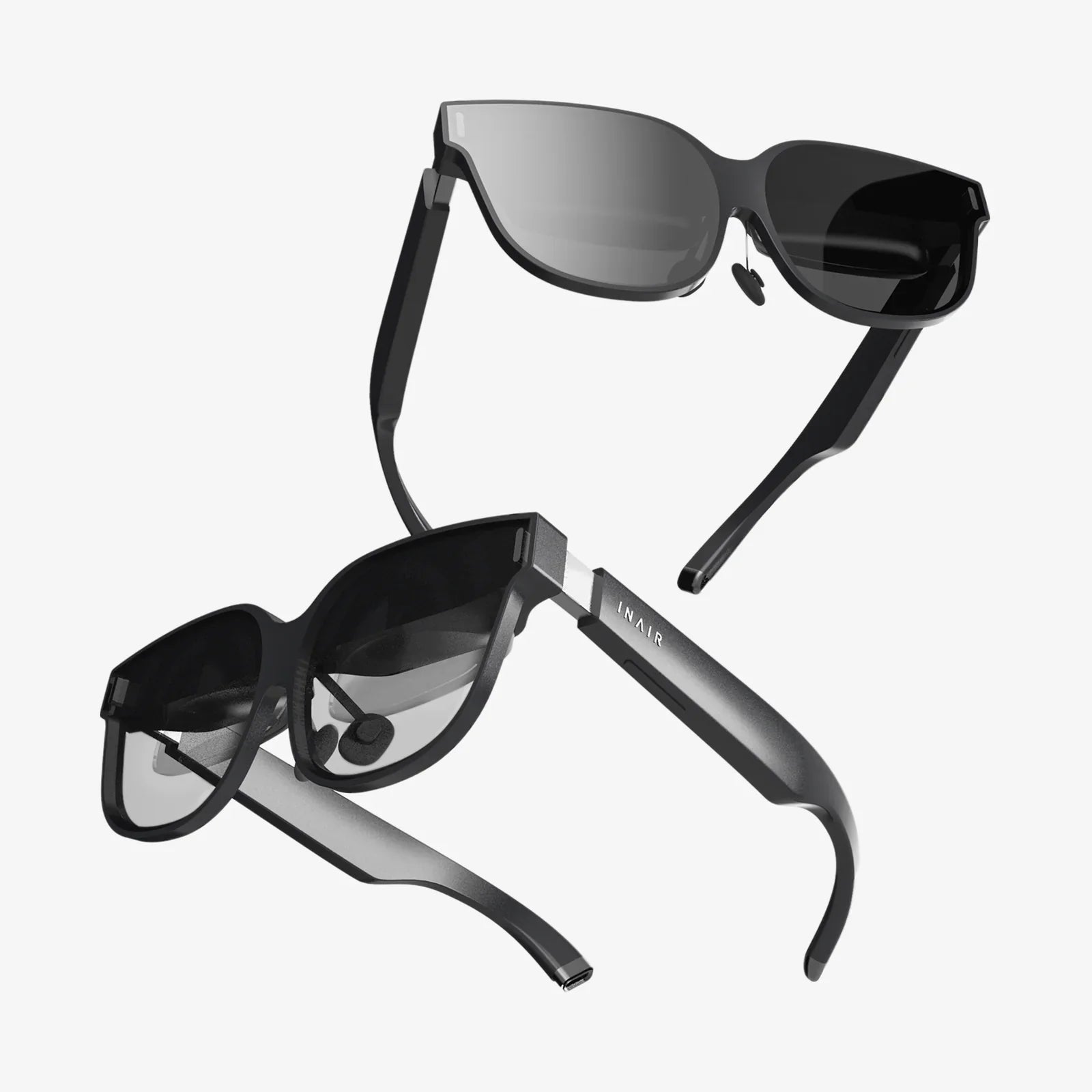
Look around you. The world is talking back. The city street, the car dashboard, the appliance in your kitchen—they are no longer silent, inanimate objects. They are pulsing with data, communicating with each other, and presenting information directly to you. This is the age of visible technologies, a profound shift from the era of seamless, hidden computation to one where the digital interface is an ever-present, tangible layer on our physical reality. This new visibility is not just a design trend; it is a fundamental re-architecting of our relationship with technology, promising unparalleled convenience while posing critical questions about privacy, autonomy, and what it means to be human in an illuminated world.
The End of Invisibility: From Seamless to Seen
For decades, the holy grail of tech design was invisibility. The goal was to create devices and systems so seamlessly integrated into our lives that we would stop noticing them. The technology would fade into the background, becoming an unconscious extension of our will. We tapped and swiped, and things just happened. This philosophy championed minimalism and intuitive user experience above all else. However, a paradigm shift is underway. The pendulum is swinging from the invisible to the visible. This new wave of visible technologies makes the digital process explicit, putting the interface front and center. Think of the large, vibrant screen in a modern vehicle that displays mapping, vehicle diagnostics, and entertainment options simultaneously. It doesn’t hide; it dominates the dashboard, demanding interaction and providing a constant stream of visual feedback. This visibility is a deliberate design choice, moving beyond mere function to create an experience.
This shift is driven by several converging factors. The cost of high-quality displays has plummeted, making it economically feasible to embed screens of various sizes into nearly any object. Simultaneously, advancements in sensor technology, data processing, and connectivity (like 5G) have created a massive influx of data that needs a outlet—a way to be seen and understood by the user. We are no longer satisfied with a black box that performs magic; we want to see the magic happening. This desire for transparency and control is a key driver. When a smart speaker answers a question, it often now displays its results on a companion screen. When a robot vacuum cleans a room, it generates a visible map of its path. This visibility provides a sense of mastery and assurance, demystifying the technology's operations.
The Urban Canvas: Smart Cities and Visible Infrastructure
Nowhere is the rise of visible technologies more apparent than in our urban environments. The concept of the smart city is fundamentally built upon making urban infrastructure visible, interactive, and responsive. Cities are being transformed into vast, interconnected networks of data and display.
- Interactive Public Kiosks: Gone are the simple static maps. Modern kiosks offer touchscreens providing real-time directions, public transit updates, local event information, and even public service announcements. They make city data accessible and actionable for everyone.
- Dynamic Wayfinding: Augmented reality (AR) wayfinding apps overlay digital arrows and directions onto a live view of the street through a smartphone camera, visually grafting instructions onto the physical world.
- Intelligent Traffic Management: Adaptive traffic signals use visible countdown timers for pedestrians and change their cycling based on real-time traffic flow data, making the system's logic apparent to those using it.
- Data-Driven Public Art: Large-scale architectural projections and LED installations on buildings often visualize real-time city data, such as energy usage, pollution levels, or social media trends, turning abstract information into a public spectacle.
This visibility aims to create a more efficient, navigable, and engaging urban experience. However, it also raises the specter of the panoptic city, where this same infrastructure of sensors and cameras, while providing visible benefits, also constitutes a pervasive system of surveillance. The very technologies that make the city's data visible to its citizens also make the citizens' data visible to the city. Navigating this balance between utility and privacy is one of the central challenges of our time.
The Transparent Self: Wearables and Quantified Living
The trend of visibility has moved from the city scale directly onto our bodies. Wearable technology is the most intimate expression of this phenomenon, turning personal biometrics into a constant, visible stream of data. Fitness trackers and smartwatches with their always-on displays provide an immediate, glanceable window into our heart rate, step count, sleep patterns, and notifications. This creates a powerful feedback loop: by making our physiological and activity data visible, these devices encourage us to modify our behavior.
This has given rise to the quantified self movement, where individuals use technology to collect data on all aspects of their daily lives. The goal is self-knowledge through numbers. By making the invisible—heart rate variability, blood oxygen levels, sleep stages—visible, people gain a sense of agency over their health and well-being. This can be incredibly empowering, motivating positive lifestyle changes and providing early warnings of potential health issues.
Yet, this hyper-visibility of the self comes with a psychological cost. It can lead to obsession, anxiety, and a disconnection from internal bodily cues in favor of external data validation. When your worth is quantified by a daily step goal, falling short can feel like a personal failure. Furthermore, this deeply personal data creates a treasure trove for corporations, raising critical questions about who else can see this visible portrait of your life and how it might be used.
The Retail Gaze: Visible Tech in Commerce and Marketing
The commercial world has been revolutionized by visible technologies, creating new paradigms for marketing, inventory management, and the customer experience. Retail environments are becoming theaters of data visualization.
- Smart Mirrors: In fitting rooms, mirrors are now screens. They can suggest different sizes or colors of an item, allow users to request assistance without leaving the room, or even use AR to show how clothing would look in a different color without physically changing.
- Digital Price Tags and Shelves: E-ink displays on shelves can change prices instantly across all stores based on demand, time of day, or inventory levels. They can also display product information, origins, or allergy warnings, making detailed data visible at the point of decision.
- Personalized Advertising: Large digital signage in stores can use cameras (often anonymized) to detect the demographic of a passerby and change the displayed advertisement to target them specifically, creating a visible dialogue between the store and the shopper.
- Cashier-Less Stores: The most extreme example of visible technology in retail is the automated store. A combination of visible cameras, weight sensors in shelves, and deep learning algorithms makes the entire act of shopping and payment completely seamless and, in a way, invisible, but it is enabled by a highly visible infrastructure of sensors that track every movement.
This ecosystem creates unparalleled convenience and operational efficiency. For the consumer, it means more information and less friction. For the business, it means maximizing sales and optimizing logistics. But it also represents the ultimate expression of the consumer as a data point, where every glance, touch, and movement is captured, analyzed, and used to influence behavior.
The Ethical Dimension: Navigating the Glare
The ascent of visible technologies is not a neutral technological evolution; it is a societal one fraught with ethical dilemmas. The same light that illuminates can also blind, and the same window that offers a view outward can also allow others to look in.
The most pressing concern is privacy. A world studded with cameras, microphones, and sensors is a world of perpetual observation. The data collected by visible technologies in public spaces, in our homes, and on our bodies is incredibly valuable and incredibly vulnerable. The potential for misuse by corporations, governments, or malicious actors is immense. We must establish robust legal and ethical frameworks that determine what data can be collected, how it is used, who owns it, and how it is protected. The principle of data minimization—collecting only what is necessary—and transparent user consent are paramount.
Furthermore, there is the risk of digital alienation. As we engage more with the visible digital layer, do we risk disengaging from the physical world and the people in it? A street full of people interacting with AR content through their glasses is a street potentially devoid of human-to-human connection. We must consciously design these technologies to augment our reality, not replace it, and to enhance human interaction rather than supplant it.
Finally, there is the issue of accessibility and the digital divide. The benefits of these visible technologies—faster information, better services, increased efficiency—will not be distributed equally. Those who cannot afford the latest devices or lack the digital literacy to navigate these complex systems risk being left further behind, creating a new form of inequality based on access to visibility itself.
We are standing at the threshold of a new era, one where the digital and physical are fused in a visible, tangible dance. This world of visible technologies offers a future of breathtaking possibility—cities that respond to our needs, a deeper understanding of our own bodies, and a commercial landscape of effortless convenience. But this future is not predetermined. It is ours to shape. The challenge before us is not to halt progress, but to guide it with intention, foresight, and a fierce commitment to human values. We must demand technologies that are not only smart and visible but also equitable, respectful, and designed to enhance the human experience in all its complexity. The interface is now out in the open; the conversation about its role in our lives must be, too.
Share:
Wearable Safety Devices Are Revolutionizing Personal Security and Peace of Mind
Wearable Tech News: The Next Frontier in Personal Computing and Health