


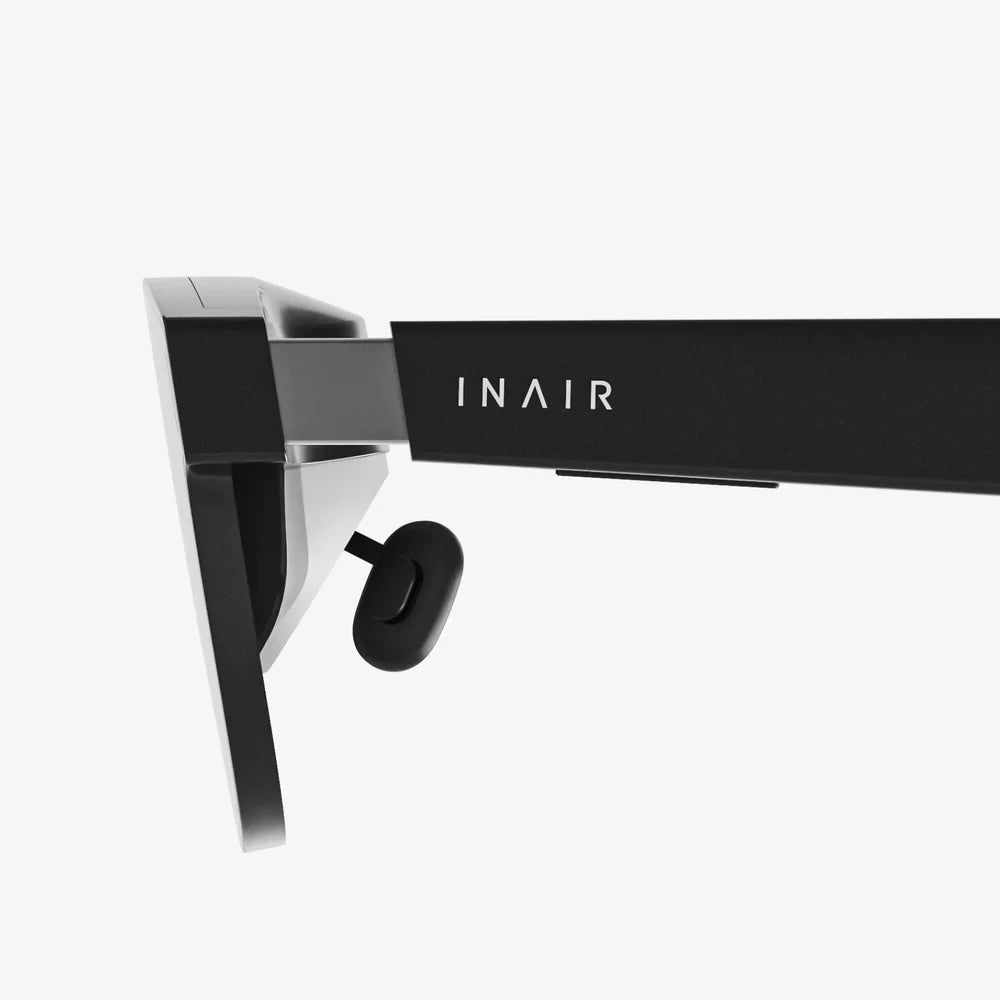
Imagine a world where instructions materialize directly onto the machinery you're repairing, where a remote expert can guide your hands with digital annotations seen through your own eyes, and where navigating a complex new environment is as simple as following floating arrows on the street. This is not a scene from a science fiction novel; it is the present and rapidly evolving reality powered by Visual Assistance Augmented Reality (AR). This transformative technology is fundamentally altering the human experience by merging the digital and physical worlds, offering a layer of intelligent, interactive information that enhances our perception, amplifies our capabilities, and breaks down traditional barriers of distance and expertise.
The Core Mechanics: How Visual Assistance AR Works
At its essence, Visual Assistance AR is a technology that superimposes computer-generated sensory input—such as graphics, sound, video, and GPS data—onto a user's real-world view. Unlike Virtual Reality (VR), which creates a completely artificial environment, AR enhances the existing environment by adding a digital overlay to it. The magic happens through a combination of sophisticated hardware and intelligent software.
The process typically begins with a camera-equipped device—be it a smartphone, tablet, smart glasses, or a specialized head-mounted display—capturing the user's immediate surroundings. Advanced computer vision algorithms then analyze this video feed in real-time to understand the context. This involves object recognition (identifying a specific engine component), surface detection (understanding where a flat plane like a wall or table is), and spatial mapping (creating a 3D model of the environment).
Once the system comprehends the scene, it renders and anchors relevant digital information onto the physical world. This could be a 3D animation showing the assembly steps for a product, text-based instructions floating next to a circuit board, or a live video feed of a remote expert who can draw circles and arrows directly into the user's field of view. The result is a seamless, contextual, and intuitive interface that provides just-in-time information exactly where it is needed most.
Revolutionizing Industry: The Enterprise Application
The most profound impact of Visual Assistance AR is currently being felt in industrial and enterprise settings, where it solves critical challenges related to training, efficiency, and error reduction.
Transforming Field Service and Maintenance
For complex field service and repair tasks, the value is immense. Technicians, often working on intricate and varied equipment, can use AR glasses or handheld tablets to receive guided instructions. Instead of constantly glancing back and forth between a physical manual or a PDF on a laptop and the machine itself, digital cues are projected directly onto the components. A technician might see a holographic arrow pointing to the exact bolt that needs to be loosened, followed by an animation demonstrating the correct tool movement. This hands-free guidance drastically reduces repair times, minimizes errors, and allows less experienced technicians to perform at an expert level, thereby alleviating skills gap issues.
Supercharging Manufacturing and Assembly
On manufacturing assembly lines, AR is streamlining processes and ensuring quality control. Workers can see digital work instructions overlaid on their station, highlighting the parts to be picked and their precise placement. The system can visually verify each step, reducing the chance of missing a component or making an assembly error. For quality assurance inspectors, AR can highlight potential defect areas or display acceptance criteria directly on the product being examined, making inspections faster and more accurate.
Redefining Remote Expertise and Collaboration
Perhaps one of the most powerful applications is in remote collaboration. The concept of "see what I see" is brought to life. An on-site worker can share their live AR view with an expert located anywhere in the world. The remote expert can then use annotation tools to draw on the shared video feed, pinning notes, arrows, and diagrams directly into the worker's environment. This provides incredibly precise guidance without the need for expensive and time-consuming travel, enabling knowledge to be transferred instantly and effectively across the globe.
Beyond the Factory Floor: Healthcare and Medicine
The healthcare sector is embracing Visual Assistance AR with remarkable results. Surgeons are beginning to use AR headsets to overlay critical information like patient vitals, 3D models of anatomy from CT or MRI scans, and surgical plans directly onto their field of view during procedures. This allows them to maintain focus on the patient without looking away to monitors. It can also guide the precise placement of incisions or implants. For medical training, students can practice procedures on digital overlays, and for patients, AR can help visualize complex medical conditions or treatment plans, leading to better understanding and engagement.
Enhancing Daily Life: Navigation and Accessibility
The potential of Visual Assistance AR extends far beyond professional use cases into our daily lives. Navigation is poised for a major shift. Instead of looking down at a phone map, AR navigation apps can project turn-by-turn directions onto the real world through a smartphone camera or future smart glasses, with giant arrows appearing on the road to show where to turn next.
For the visually impaired community, this technology offers a new level of independence. AR applications can use camera feeds to identify obstacles, read text aloud from signs and documents, recognize faces, and describe scenes, effectively acting as a highly advanced visual aid that provides auditory feedback about the environment.
The Invisible Infrastructure: Challenges and Considerations
Despite its immense potential, the widespread adoption of Visual Assistance AR faces several significant hurdles. The hardware, particularly smart glasses, must become lighter, more comfortable, socially acceptable, and offer longer battery life to be viable for all-day use. Connectivity is another crucial factor; many advanced AR applications require a robust and low-latency network, like 5G, to stream high-quality video and data seamlessly.
Perhaps the most critical challenges are those of data security and user privacy. AR devices, by their very nature, are constantly capturing video and audio of their surroundings. Establishing clear protocols for data ownership, storage, and usage is paramount. Companies must implement stringent security measures to protect sensitive enterprise information or private environments from being exposed. Furthermore, the concept of digital litter—the pollution of our physical space with unwanted digital advertisements or content—presents a societal challenge that needs to be addressed through thoughtful design and regulation.
The Future is Overlaid: What Lies Ahead
The trajectory of Visual Assistance AR points towards a more integrated and intelligent future. We are moving towards AR experiences that are not just visually superimposed but are contextually aware and responsive. With advancements in Artificial Intelligence (AI) and the Internet of Things (IoT), future AR systems will not only recognize objects but also understand their status. Imagine an AR system for a mechanic that can overlay diagnostics from the machine's own sensors, highlighting a component that is running too hot, or for a warehouse worker, where the system can instantly identify an item and show its exact location on a shelf and its journey through the supply chain.
The hardware will evolve towards more seamless form factors, likely moving from handheld devices to sleek glasses and eventually to contact lenses, making the technology a ubiquitous and invisible part of our lives. As the underlying AI grows more sophisticated, the assistance will become more proactive, anticipating user needs and offering information before it is even requested.
The convergence of the digital and physical realms through Visual Assistance Augmented Reality is unlocking a new era of human capability and connection. It is democratizing expertise, breaking geographical barriers, and providing a powerful new lens through which to interpret and interact with our world. This is not just an incremental improvement to existing tools; it is a foundational shift in the human-machine interface, poised to redefine how we work, learn, heal, and explore for generations to come. The line between what is real and what is digital is blurring, and in that convergence, we are finding unprecedented levels of efficiency, understanding, and empowerment.
Share:
Augmented Reality Computer The Next Evolution in Personal and Professional Computing
Augmented Reality Technologies Sports: Revolutionizing the Game from Training to Fandom