


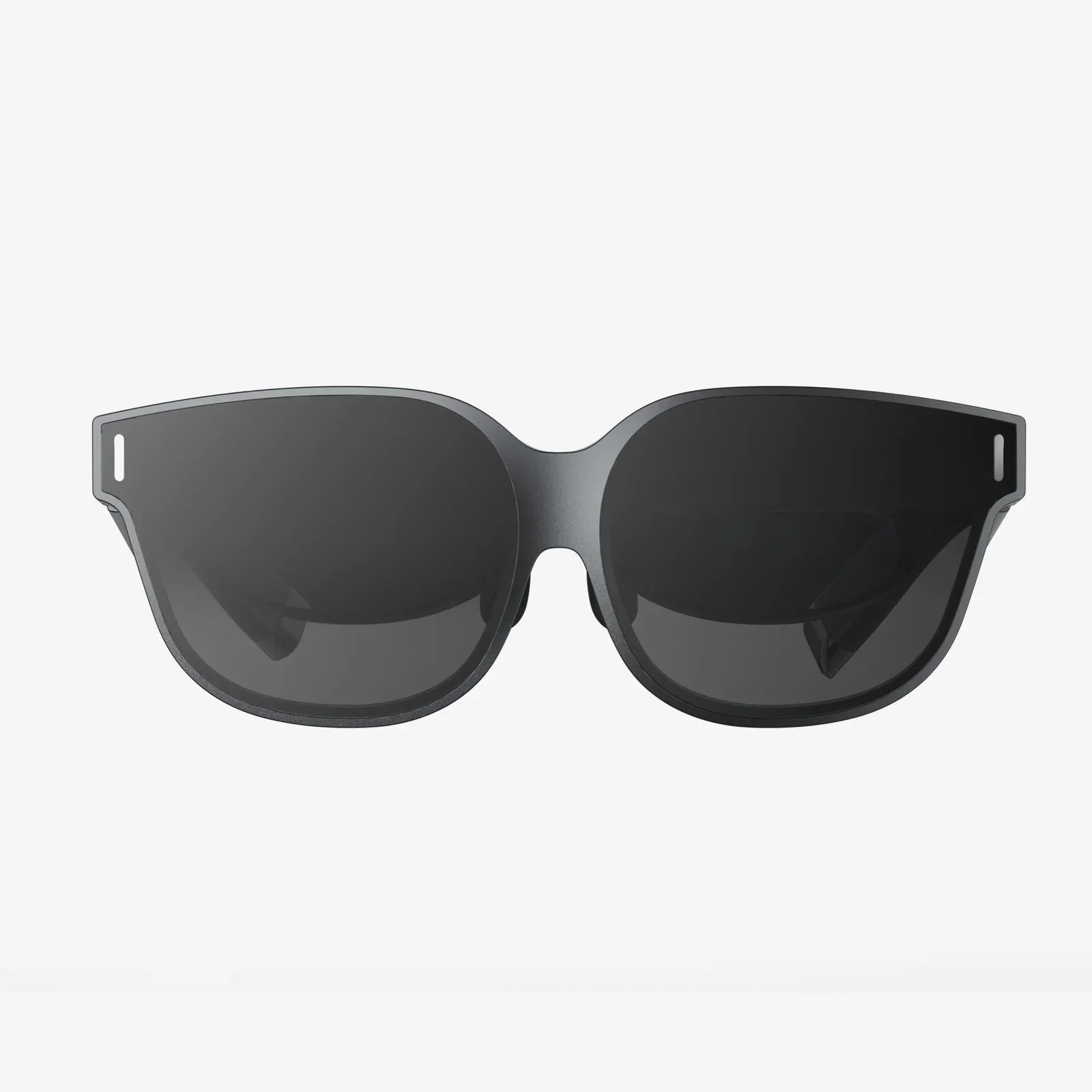
Imagine slipping a sleek, sophisticated viewer onto your head and instantly being transported from your living room to the edge of a volcano, the front row of a concert, or the bridge of a starship. This isn't a glimpse into a distant future; it's the reality available today, powered by the incredible technology already in your pocket. The quest for immersive digital experiences has found a powerful and unexpected ally, turning the world's most popular smartphone into a gateway to the extraordinary. The fusion of cutting-edge mobile hardware with innovative virtual reality platforms is democratizing access to these experiences, and it all begins with unlocking the potential you hold in your hand.
The Power Within: Why This Smartphone is a VR Game-Changer
The foundation of any compelling virtual reality experience is raw processing power and visual fidelity. A sluggish processor or a low-resolution display can quickly pull a user out of immersion, leading to discomfort and a lack of engagement. This is where the specific hardware advancements of this particular device create a perfect storm for mobile-based virtual reality.
At the heart of the experience is the A16 Bionic chip. This marvel of silicon engineering is not just a incremental upgrade; it represents a monumental leap in mobile graphics processing. VR applications are intensely demanding, requiring the simultaneous rendering of two high-resolution images (one for each eye) at a consistently high frame rate—typically 90 frames per second or higher to avoid motion sickness. The A16 Bionic handles this immense workload with remarkable efficiency, enabling developers to create richer, more complex, and more stable virtual environments than ever before possible on a mobile platform.
Complementing this processing brawn is the device's stunning display. The Super Retina XDR display with ProMotion technology is a critical component. Its high resolution ensures that the dreaded "screen door effect"—where users can discern the gaps between pixels—is minimized, allowing for sharper and more believable visuals. The ProMotion adaptive refresh rate, scaling up to 120Hz, is equally vital. This fluidity of motion is essential for maintaining the illusion of reality, reducing latency between head movement and on-screen action, which is a primary culprit behind VR-induced nausea.
Furthermore, the sophisticated array of cameras and sensors is not just for photography. These components, including the LiDAR Scanner, play a crucial role in advanced VR applications. They can be used for inside-out tracking, where the device maps its environment in real-time without the need for external sensors placed around the room. This allows for experiences like mixed reality, where digital objects can be placed and interacted with in your physical space, or for creating safe play boundaries that warn users if they are about to walk into a wall.
Bridging the Gap: Essential Hardware and Accessories
While the smartphone itself is the brain of the operation, it requires a body to deliver a complete VR experience. This is where head-mounted displays (HMDs), often called viewers or headsets, come into play. These accessories are the crucial bridge that transforms the phone from a flat window into a panoramic, immersive portal.
These viewers fall into two primary categories. The first is the simple, affordable viewer, often constructed from lightweight plastics or even cardboard. These holders use lenses to warp the smartphone's screen, dividing it to create a stereoscopic 3D effect for each eye. They are an excellent, low-cost entry point for experiencing 360-degree videos and simple interactive apps.
The second category is the advanced, powered viewer. These are more sophisticated pieces of hardware that often include their own additional features, such as integrated headphones, wider field-of-view lenses, and even external batteries to power the headset's own electronics without draining the phone. Some high-end models also feature built-in sensors for more precise head tracking, working in tandem with the phone's own capabilities to create a more robust and accurate experience. The key for any user is to select a viewer that is specifically designed to accommodate the larger form factor and precise dimensions of this model to ensure a proper fit, clear optics, and adequate ventilation to prevent the device from overheating during extended use.
Beyond the viewer itself, a pair of quality headphones is non-negotiable for full immersion. Spatial audio is a key pillar of virtual reality, convincing your brain that sounds are coming from specific points around you in a 3D space. The high-fidelity audio capabilities of the device, when paired with good headphones, can sell the illusion completely—hearing the rustle of leaves behind you or the whisper of a character next to you is a profoundly powerful tool for belief.
A Universe of Experiences: Apps and Content That Redefine Possibility
Hardware is nothing without software. The content ecosystem available for this platform is vast and growing exponentially, offering experiences that cater to every conceivable interest. The power of the device unlocks a tier of quality that was previously reserved for dedicated, and far more expensive, VR systems.
- Gaming and Interactive Entertainment: This is where the technology truly shines. From heart-pounding horror titles where you must explore eerie environments to intricate puzzle games that use the device's gyroscopes for physical interaction, the library is expansive. Players can find themselves piloting mechs, defending castles from invading dragons, or playing a game of virtual chess on a table that appears to be in their own home. The power of the A16 Bionic chip allows for console-quality graphics and physics, making these experiences deeply engaging.
- Educational and Travel Applications: Virtual reality is perhaps the most powerful empathy and education machine ever created. Apps allow you to take guided tours of ancient Roman ruins, standing in the Forum as it once was. You can dive to the wreck of the Titanic, explore the human body from the inside out, or stand on the surface of Mars using real data from NASA rovers. For students and the eternally curious, it represents an unparalleled tool for experiential learning.
- Social and Collaborative Platforms: The future of remote interaction is being shaped in VR. Social apps allow you to create a stylized avatar and meet friends in virtual spaces to watch movies, play games, or simply hang out as if you were in the same room. For professionals, meeting and presentation tools are emerging that allow for collaborative design review and brainstorming in a shared 3D space, making remote work more personal and effective.
- 360-Degree Video and Cinematic Storytelling: Major media companies and independent creators are producing breathtaking 360-degree films. You are no longer a passive viewer but an active participant within the story, able to look around in every direction. This format has been used for everything from documentary journalism, placing you in the center of a news event, to immersive music videos and theatrical experiences.
Optimizing Your Journey: Tips for a Flawless Experience
To ensure every foray into virtual reality is as smooth and enjoyable as possible, a few simple steps can make a world of difference. First, always start in a safe, clear space. Move coffee tables and chairs to create a large open area to prevent accidents. Good lighting is also crucial for the inside-out tracking to work effectively, though avoid direct sunlight on the device's lenses, as it can damage the screen.
Second, manage your device's health. VR is resource-intensive. Before starting, close all background applications to free up RAM and processing power for a smoother experience. Consider enabling Low Power Mode only if necessary, as it may throttle performance. It is also advisable to keep the device plugged into power during longer sessions, as the intense workload can drain the battery quickly.
Finally, listen to your body. If you are new to VR, start with shorter sessions of 15-20 minutes to acclimatize yourself. If you feel any discomfort, dizziness, or eye strain, take a break immediately. Hydrate well, and never push through feelings of nausea. Over time, your "VR legs" will develop, allowing for longer and more intense experiences.
The Horizon Ahead: The Future of Mobile Virtual Reality
The trajectory of this technology is pointing toward an even more seamless and powerful future. We are moving rapidly toward the development of dedicated AR/VR headsets that will offer a standalone, wireless experience with even greater performance. However, the role of the smartphone will remain pivotal. It will likely act as the primary computing unit for more affordable accessory-based headsets, or as a companion device for tetherless standalone systems, handling processing, connectivity, and content storage.
Advancements in 5G and later 6G connectivity will unlock cloud-based VR streaming, where the immense graphical rendering is handled by remote servers and streamed to the device, effectively bypassing hardware limitations altogether. Furthermore, as the line between augmented reality (AR) and virtual reality (VR) continues to blur, the powerful sensors of this smartphone will be at the forefront of mixed reality (MR)—experiences that seamlessly blend digital content with the real world. The detailed environmental mapping it can perform is the first step toward a future where digital interfaces and objects are anchored permanently in our physical spaces.
The potential is limitless. From revolutionizing how we shop by letting us visualize products in our home at true scale to transforming how we learn complex manual skills through interactive simulations, the combination of this powerful smartphone and virtual reality technology is set to redefine our relationship with the digital world. It is making the extraordinary accessible, one user at a time.
Your pocket holds a key to countless worlds, from the depths of the ocean to the farthest reaches of space, all waiting for you to take the first step. The barrier to entry has never been lower, nor the experiences more breathtaking. This isn't just about playing a game or watching a video; it's about stepping through a portal and experiencing the impossible, and it's all powered by the device you already own. The next reality is ready for you—what will you explore first?
Share:
VR Headset Black Friday Deals: Your Ultimate Guide to the Virtual Savings Event of the Year
How to View Augmented Reality on Android: A Complete Guide