


Imagine slipping a sleek, visor-like device onto your head and, in an instant, being transported from your living room to the edge of a volcano, the front row of a concert, or a strategic command center in a distant galaxy. This is no longer the stuff of science fiction; it's the imminent reality promised by the convergence of cutting-edge smartphone technology and virtual reality. The latest flagship device is poised to shatter the barriers between the digital and the physical, transforming from a communication tool in your pocket into the most powerful and accessible portal to immersive experiences ever created. The era of truly mainstream, high-fidelity VR is dawning, and it's being powered by a device millions will already own.
The Perfect Storm: Hardware Convergence
For years, VR has been a niche pursuit, hampered by clunky hardware, labyrinthine setup processes, and prohibitive costs. High-end systems required a powerful, expensive computer tethered by a thick cable to a headset, creating a cumbersome and isolating experience. Mobile VR, while more accessible, often felt like a compromise, offering limited graphical fidelity and simplistic experiences due to the constraints of smartphone processors and thermal management. A fundamental disconnect existed between the device we use every day and the hardware needed to escape into another world.
The newest flagship smartphone represents a paradigm shift. It's not merely a phone that can also do VR; it is engineered from the ground up to be the computational and sensory heart of a premium virtual reality system. This is achieved through a monumental leap in three key areas: processing power, display technology, and sensor fusion. The advanced chipset, built on an next-generation architecture, isn't just faster for apps and games; it's a dedicated engine for parallel processing, effortlessly handling the immense demands of rendering two high-resolution displays at a blistering 90Hz or 120Hz refresh rate. This eliminates the motion blur and latency that are primary culprits of VR-induced discomfort, ensuring buttery-smooth visuals that keep your brain convinced of the reality of the experience.
A Window to Other Worlds: The Display Revolution
At the core of any VR experience is the screen, or more accurately, the screens. The stunning ProMotion display technology in the latest device is a game-changer. With its incredibly high pixel density and wide color gamut, the classic "screen door effect"—where users can discern the gaps between pixels—becomes a relic of the past. The virtual world appears sharp, vibrant, and continuous. Furthermore, the adoption of LTPO technology allows for a dynamically variable refresh rate, which is crucial for VR. It can ramp up to 120Hz for fast-paced action sequences, ensuring flawless motion, and then drop down significantly when the scene is static, conserving precious battery life and reducing heat generation within the headset enclosure.
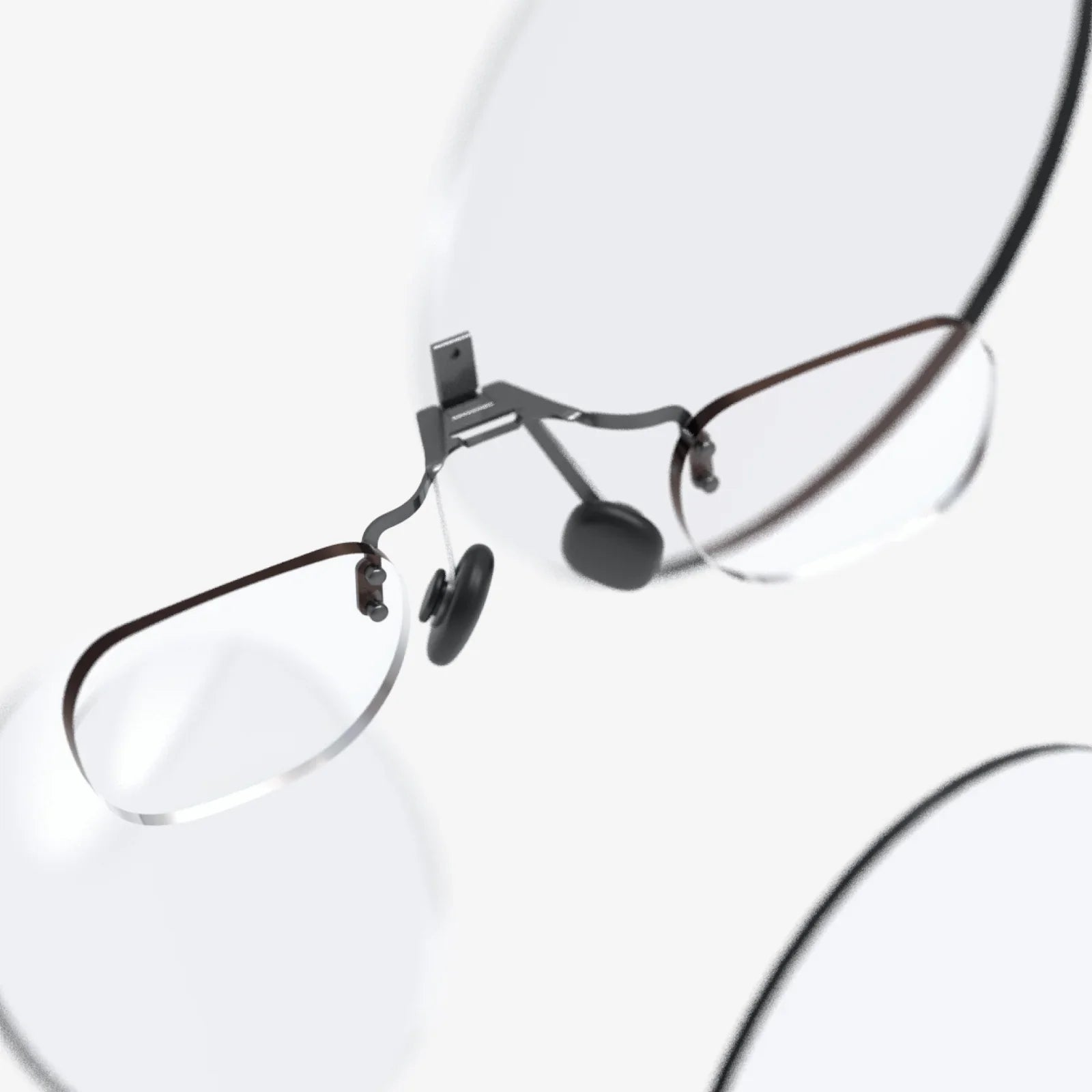
This display is complemented by sophisticated optical systems in modern VR headsets. Using custom-designed pancake lenses, these headsets can focus the phone's display across a wide field of view, creating a deep sense of immersion and scale. These lenses are also far thinner and lighter than the bulky fresnel lenses of old, contributing to a more compact and comfortable headset design. The combination of the phone's world-class screen and advanced optics results in a visual fidelity that rivals, and in some cases surpasses, dedicated standalone VR systems, finally delivering on the promise of "presence"—the undeniable feeling of actually being somewhere else.
Seeing, Hearing, and Moving: The Sensory Suite
Visuals are only one part of the immersion puzzle. For VR to feel real, the system must understand its environment and your place within it. This is where the sophisticated array of sensors in the smartphone becomes its greatest asset. The improved LiDAR scanner, initially used for photography and augmented reality, is repurposed as the eyes of the VR system. It instantly maps the physical room around you, creating a 3D mesh that allows the virtual world to interact with the real one. This enables incredible features like passthrough VR, where high-resolution video from the phone's cameras is displayed in real-time, allowing you to see your surroundings without removing the headset. You can grab a drink, check your phone, or avoid bumping into the couch, all while remaining immersed.
This environmental awareness is paired with incredibly precise positional tracking. The combination of high-frame-rate cameras, gyroscopes, and accelerometers tracks the minutest movements of your head with sub-millimeter accuracy. When you lean in to examine a virtual object, the perspective shifts perfectly. When you duck under a virtual barrier, the world responds instantly. This flawless tracking is the bedrock of comfort and believability. Furthermore, the advanced spatial audio system turns sound into a tangible element of the experience. By using head-related transfer functions, audio cues come from specific points in 3D space. You'll hear the whisper of an ally behind your left shoulder or the roar of a dragon circling overhead, making the virtual environment feel alive and all-encompassing.
The Ecosystem Awakens: Content and Accessories
A platform is only as good as its software, and the ecosystem surrounding this new VR paradigm is exploding with potential. The established App Store instantly becomes the largest VR software marketplace available, filled with experiences tailored to leverage the new hardware. This includes everything from breathtaking games that utilize the full power of the chipset to professional applications for virtual design collaboration, immersive architectural walkthroughs, and revolutionary educational tools that let students dissect a virtual frog or walk on the surface of Mars.
The accessory market is also poised for a renaissance. We will see a new generation of VR headsets and controllers designed specifically for this device. These won't be the plastic shells of the past, but premium accessories with their own batteries to extend playtime, built-in fans for active cooling during extended sessions, and high-quality materials for comfort. Crucially, the connection will be seamless, likely utilizing a high-speed port that allows for data transfer, audio, and charging simultaneously. These controllers will boast their own tracking technology, providing full motion control of your virtual hands, enabling you to reach out, grab, throw, and interact with the digital world with natural, intuitive gestures.
Beyond Gaming: The Future is Virtual
While gaming will be a massive driver, the implications extend far beyond entertainment. Imagine attending a business meeting in a virtual boardroom where avatars of your colleagues from around the world can interact with 3D models of a new product design. Therapists are already using VR to treat phobias and PTSD; with a device this accessible, such treatments can become more widespread. The travel industry can offer previews of destinations, and artists can sculpt in 3D space as if clay were in their hands. The smartphone in your pocket will become a key that unlocks these professional and creative tools, democratizing access to technology that was once available only to large corporations or specialized fields.
This convergence also hints at a future where the line between Augmented Reality (AR) and Virtual Reality (VR) becomes increasingly blurred. The same sensors that power immersive VR can be used to anchor digital objects perfectly in your real-world environment for AR experiences. Your device could become a single platform for both fully immersive escapes and context-aware digital enhancements overlayed on your reality, all dictated by the headset you choose to use that day. This flexibility makes the underlying technology not just a entertainment device, but a fundamental computing platform for the next decade.
The journey to this point has been long, filled with prototypes, false starts, and bulky hardware. But now, the stars have aligned. The necessary processing power, display technology, sensor array, and software ecosystem have all matured simultaneously within a single, sleek device. This isn't just an incremental update; it's the crossing of a threshold. It marks the moment VR sheds its niche status and becomes a seamless, integrated, and breathtakingly powerful feature of the most popular personal technology device on the planet. The gateway to countless worlds is no longer a separate, expensive box—it’s the stunningly powerful computer you already carry with you everywhere, waiting for you to look a little closer and step right through.
Share:
Best Phone VR Headset 2025: The Ultimate Immersive Experience Awaits
AR Headset Companies Are Shaping a New Reality