


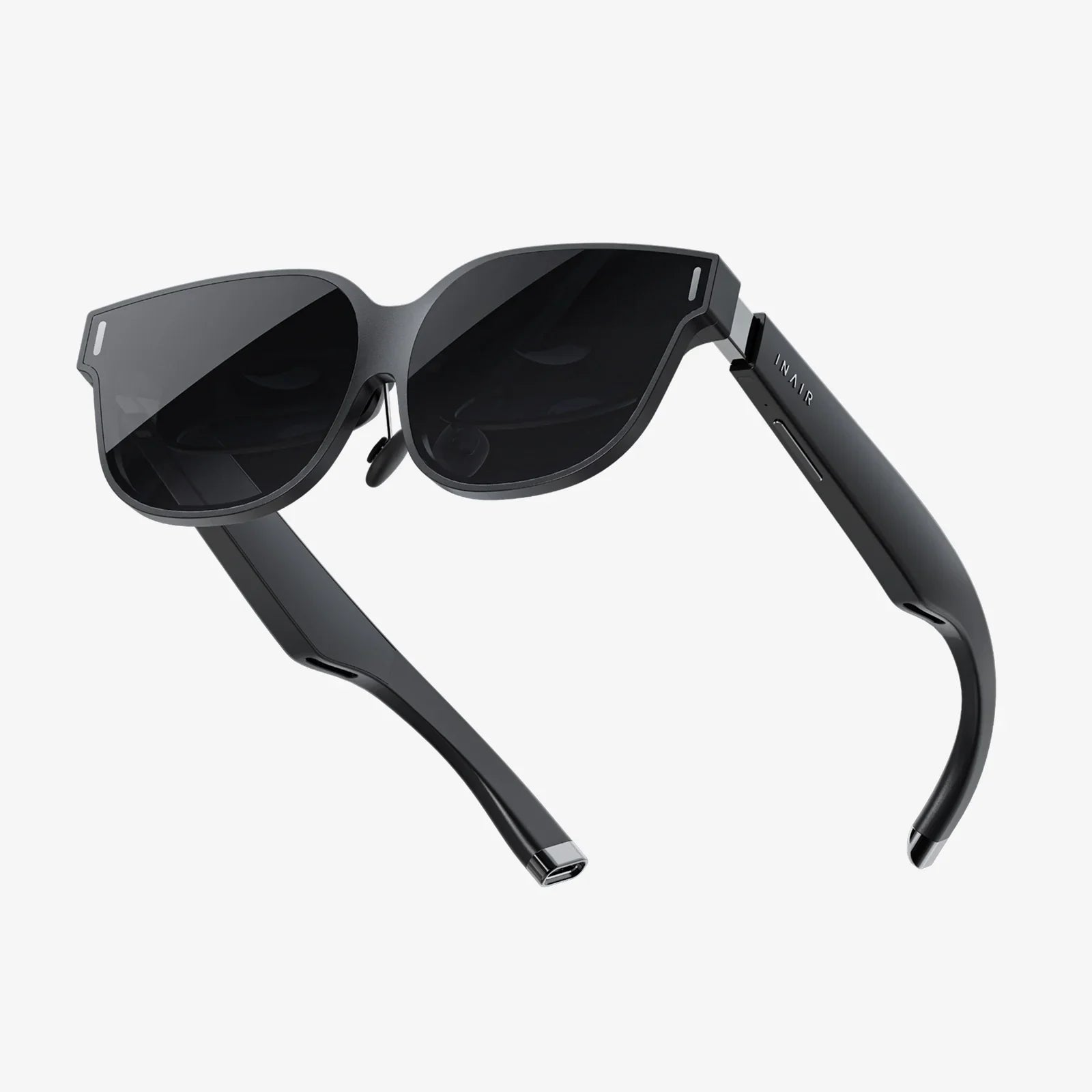
The digital world is constantly evolving, and the next great leap is already happening in living rooms and bedrooms across the globe. For teenagers, a generation born into a world of screens, Virtual Reality represents not just a new gadget, but a fundamentally new way to learn, play, and connect. The immersive, all-encompassing nature of VR offers experiences that are lightyears beyond scrolling through a social media feed or playing a flat-screen game. It’s a portal to other worlds, a time machine to historical events, and a canvas for incredible creativity. But with this incredible power comes a profound responsibility. For parents, educators, and teens themselves, understanding the full spectrum of VR's impact—its dazzling potential and its very real pitfalls—is no longer optional; it's essential for navigating this exciting yet uncharted territory.
The Allure of the Immersive: Why VR Resonates with Teenagers
The teenage years are a period of intense exploration, identity formation, and social development. VR, by its very design, caters directly to these core drives. Unlike passive media consumption, VR is active and experiential. It offers a sense of agency and presence that is uniquely compelling.
For a teen, strapping on a headset can mean stepping into the shoes of a surgeon performing a complex procedure, an astronaut repairing the International Space Station, or a artist sculpting in three dimensions with virtual clay. This level of engagement transforms learning from a theoretical exercise into a visceral, memorable event. The potential for educational applications is staggering, making abstract concepts tangible and complex subjects accessible.
Socially, VR provides a new frontier for connection. Multiplayer environments and social VR platforms allow teens to hang out with friends in virtual spaces, attend concerts, or collaborate on projects, regardless of physical distance. For those who may feel isolated or struggle with social anxiety in the real world, these digital spaces can offer a lower-pressure environment to interact and build confidence. It’s a digital playground that fosters a different kind of camaraderie and shared experience.
Beyond the Game: The Positive Potential of Virtual Reality
While entertainment is a major driver of VR adoption, its benefits extend far beyond gaming. The technology is proving to be a powerful tool in several key areas of a teen's development.
Revolutionizing Education and Skill Acquisition
Imagine a history class where students don't just read about ancient Rome—they can walk through a faithfully reconstructed Forum. A biology lesson where they can travel inside a human cell, watching organelles function in real-time. This is the promise of VR in education. It facilitates experiential learning, which has been shown to dramatically improve information retention and comprehension.
Vocational training is another area ripe for disruption. Teens can practice complex, expensive, or dangerous tasks in a consequence-free environment. They can learn to repair a car engine, wire a house, or even practice public speaking to a virtual audience. These simulations build muscle memory and practical skills in a way that textbooks and videos simply cannot match, providing a safe sandbox for trial, error, and mastery.
Fostering Creativity and Self-Expression
VR is not just for consumption; it's a profound tool for creation. A growing suite of applications allows users to paint in 3D, sculpt intricate models, design architecture, and make music in immersive environments. This unlocks a new dimension of artistic expression. A teen with an interest in design can build and walk through their creations. A budding musician can compose in a 360-degree soundscape. This hands-on creation can boost problem-solving skills, spatial awareness, and innovative thinking.
Building Empathy and Global Awareness
One of the most powerful uses of VR is its ability to foster empathy. Through carefully crafted experiences, teens can be transported to the other side of the world, seeing life through the eyes of someone with a completely different background and set of challenges. Documentaries in VR can create a powerful emotional connection to global issues, from the refugee crisis to environmental conservation. This “empathy machine” quality can help break down barriers and cultivate a more nuanced and compassionate worldview.
The Flip Side of the Coin: Navigating Risks and Challenges
For all its potential, the immersive and intense nature of VR also introduces a set of unique challenges and risks that must be acknowledged and managed.
Physical Health and Safety Considerations
The most immediate concerns are physical. Prolonged use can lead to eye strain, headaches, and a phenomenon known as simulator sickness, similar to motion sickness, which occurs when there's a disconnect between what the eyes see and what the body feels. It’s crucial for teens to take frequent breaks—experts often recommend a 10 to 15-minute break every 30 minutes.
Physical safety in the play space is also paramount. A teen immersed in a game can easily trip over furniture or swing their arms into a wall. Ensuring a clear, designated play area is a non-negotiable safety step. Furthermore, the technology is designed for developed brains and visual systems. While research is ongoing, most manufacturers recommend a minimum age of 10-13, urging caution and limited session times for younger teens.
Psychological and Emotional Well-being
The psychological impact of such an immersive medium is a critical area for parental awareness. The line between the virtual and the real can become temporarily blurred, especially for younger users. Intense or frightening experiences in VR can feel more real and may have a stronger emotional impact than traditional media.
There is also the risk of escapism. While a healthy escape is fine, VR could potentially be used to avoid real-world problems, social interactions, or responsibilities. This could hinder the development of crucial coping mechanisms and social skills. Parents need to be attentive to changes in behavior, mood, or academic performance that might indicate an unhealthy relationship with the technology.
Privacy, Data Security, and Online Interactions
VR headsets collect a vast amount of data, including movement patterns, voice recordings, and in some cases, eye-tracking and biometric data. This raises significant privacy concerns. It is vital to understand what data is being collected, how it is used, and who it is shared with. Parents should meticulously review privacy settings and opt out of unnecessary data collection where possible.
Furthermore, the social aspects of VR come with the same risks as other online spaces: exposure to inappropriate content, cyberbullying, and interaction with strangers. The added layer of immersion and embodiment can make negative social interactions feel more personal and damaging. Teaching teens digital citizenship, including how to report abuse and block users, is as important in VR as it is on any other social platform.
Striking a Balance: A Framework for Healthy VR Use
Banning a technology that offers so much potential is rarely the answer. Instead, the goal should be to foster a healthy, balanced, and critical approach to VR. This requires open communication and clear boundaries.
1. Co-Experience and Open Dialogue: The best way to understand the VR experience is to try it yourself. Play a game with your teen or explore an educational app together. This not only allows you to assess the content firsthand but also opens a dialogue. Talk about what they enjoy, what they find unsettling, and what they’re experiencing in social spaces.
2. Establish Clear Ground Rules: Set firm limits on screen time. Use built-in parental controls to manage usage, set time limits, and restrict access to age-inappropriate content. Ensure these rules are understood and consistently enforced.
3. Prioritize Safety and Privacy: Create a safe physical environment for play. Go through privacy settings together as a lesson in digital literacy. Teach your teen to never share personal information and to be critical of what they see and hear, understanding that virtual experiences are curated and may not reflect reality.
4. Encourage a Critical Perspective: Help your teen develop a critical eye. Discuss the difference between the virtual world and the real world. Encourage them to balance their VR time with physical activity, face-to-face social interaction, and other offline hobbies.
The Future is Now: Preparing for What Comes Next
The technology behind VR is advancing at a breathtaking pace. Lighter, wireless headsets with higher resolution are making the experience more comfortable and convincing. The concept of the “metaverse”—a persistent network of interconnected virtual worlds—is moving from science fiction into a tangible, if still nascent, reality. For today’s teens, fluency in these environments may become as important as navigating the internet was for previous generations.
This evolving landscape will present new opportunities in remote learning, career training, and global collaboration, but it will also introduce novel ethical and social dilemmas. The conversation about digital identity, property rights in virtual spaces, and the psychological effects of long-term immersion is just beginning. Preparing teens for this future means equipping them not just with the technical skills to use VR, but with the ethical framework and critical thinking skills to shape it responsibly.
The headset may be a piece of hardware, but the journey it enables is deeply human. It’s a tool of incredible power, and its ultimate impact on a teenager's life will be determined by the guidance, boundaries, and wisdom provided by the adults in their world. The virtual frontier is open; the mission is to explore it wisely.
As the boundaries between the digital and physical continue to blur, the conversation around VR for teens is moving from a niche interest to a mainstream necessity. This isn't about keeping up with the latest tech trend; it's about understanding a powerful new force that is actively shaping adolescent development, creativity, and social interaction. The choices made today—the boundaries set, the conversations started, the experiences shared—will echo far into the future, determining whether this technology becomes a catalyst for growth or a source of conflict. The virtual door is open, and it's inviting a new generation to step through. The real question is, how will we ensure they do it safely, smartly, and with a sense of wonder that enhances their world rather than escapes it?
Share:
3D Screen The Future of Visual Immersion is Here and It's Unbelievable
3D Screen Technology: A New Dimension of Visual Experience Without Glasses