


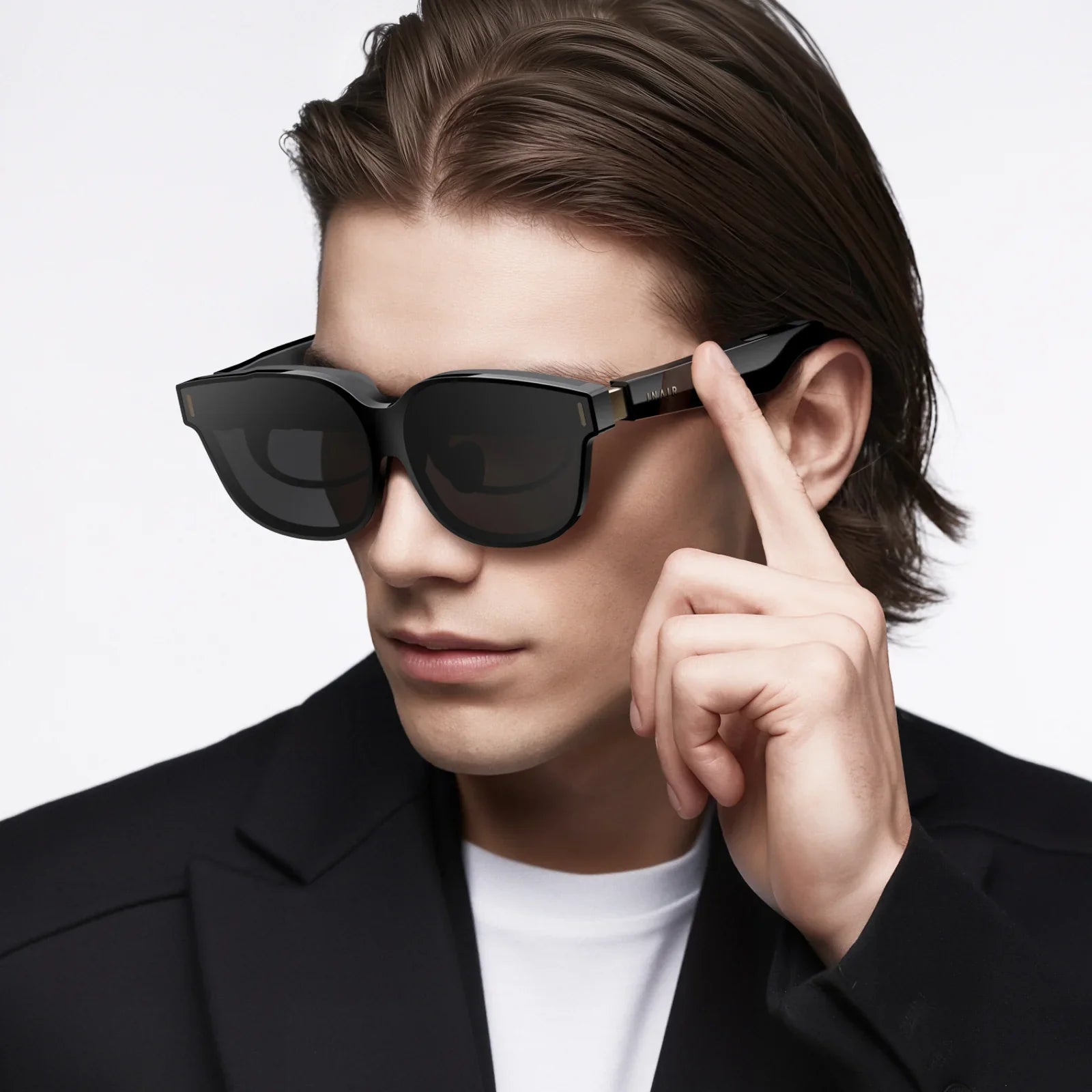
You’ve seen the videos, read the specs, and dreamed of exploring other worlds from your living room, but there’s one thing holding you back: how do you really know which pair of VR glasses is right for you without ever strapping them on? The answer is no longer hidden in online forums or cryptic review videos. A retail revolution is happening right now, transforming how we interact with cutting-edge technology. The once-daunting decision of investing in virtual reality is being demystified on shop floors everywhere, turning curiosity into confidence and browsers into believers. The era of passive shopping is over, and an immersive, hands-on experience is waiting for you just around the corner.
The Rise of the Experiential Retailer
In an age where almost any product can be delivered to your doorstep with a single click, brick-and-mortar stores have been forced to evolve. The key to their survival and relevance? Experience. Consumers no longer visit physical locations merely to acquire goods; they go to engage with brands, to learn, and to be entertained. This shift from transactional to experiential retail is the perfect catalyst for the integration of VR glasses in store environments.
High-tech products, especially those as personal and sensory as VR glasses, suffer from a significant online barrier. Reading about a 110-degree field of view is one thing; experiencing the sheer immersion of it is another. Recognizing this, forward-thinking retailers have begun dedicating valuable floor space to interactive demo stations. These are not mere display cases; they are curated portals into virtual reality, staffed by knowledgeable associates who guide customers through their first moments in a digital realm. This strategy tackles the core of consumer hesitation head-on, replacing uncertainty with firsthand understanding.
Why Trying Before Buying is a Game-Changer
The advantages of testing VR glasses in a physical store are profound, impacting both the consumer and the retailer.
For the Consumer:
- Overcoming the Intimidation Factor: VR can seem like a complex, niche technology. A guided demo breaks down these barriers, showing how intuitive and accessible it can really be.
- The Comfort Test: This is arguably the most important factor. How do the glasses feel on your nose? Is the head strap adjustable enough for a secure fit? Does it feel heavy after a few minutes? These are questions only a physical test can answer.
- Visual Clarity and Immersion: Specs like resolution and refresh rate are meaningless until you see them in action. Testing different models side-by-side allows you to discern the tangible difference between screen types and optical systems.
- Informed Decision-Making: Instead of relying on potentially biased online reviews, you build your own opinion based on direct experience, leading to a purchase you’re far less likely to regret.
For the Retailer:
- Driving Sales and Reducing Returns: A customer who has spent ten minutes in a VR headset is significantly more likely to purchase and, crucially, less likely to return it due to unmet expectations or comfort issues.
- Building Brand Authority: By offering expert demos, a store positions itself as a destination for technology, not just a vendor. This builds loyalty and repeat business.
- Creating a Buzz: A well-executed VR demo is a spectacle. It draws crowds, generates excitement, and creates memorable moments that customers share online and with friends.
What to Expect During Your In-Store VR Experience
Walking up to a VR demo station can be exciting, but knowing what to expect can make it even better. Most quality retail setups follow a similar, customer-friendly process.
First, a trained associate will greet you. Their role is not to pressure you but to facilitate your experience. They will typically ask if you’ve tried VR before to gauge your familiarity. They will then select a short, impactful demo experience designed to wow first-time users. This could be a thrilling roller coaster ride, a serene underwater adventure, or a creative painting application.
Next, they will carefully adjust the VR glasses for you. This is a critical step. They will ensure the inter-pupillary distance (IPD) is set correctly for your eyes, adjust the head straps for a balanced and comfortable fit, and provide you with any controllers, explaining their basic functions. They will also clearly mark out a safe physical boundary for you to move within.
Then, the magic happens. You’ll be immersed in the experience for a few minutes. The associate will usually remain nearby to answer questions or provide assistance if you need it. After you finish, they’ll help you remove the device and be ready to answer any questions about the technology, the content you just saw, and the different models available for purchase.
Key Factors to Test During Your Demo
While the sheer wonder of VR will be captivating, try to focus on a few key practical aspects to make your demo truly useful.
1. Visual Quality:
Look for the "screen door effect" (the visible lines between pixels). Is the text sharp and readable, or blurry around the edges? Are the colors vibrant? Does the world feel solid and real, or somewhat hazy?
2. Comfort and Fit:
Pay attention to the weight distribution. Does the headset feel front-heavy? Is the pressure on your cheeks or forehead uncomfortable? How does it feel with your glasses on, if you wear them? Could you imagine wearing it for an hour-long gaming session or movie?
3. Tracking and Controllers:
How responsive are the controllers? When you move your hands in the real world, do they move instantly and accurately in the virtual world? Is there any jitter or lag? This is crucial for immersion.
4. Audio:
What is the audio solution? Are there built-in speakers, a headphone jack, or integrated headphones? Is the spatial audio convincing—do sounds come from the correct direction in the 3D space?
5. Content and Ecosystem:
Ask the associate about the platform. What kinds of games, apps, and experiences are available? Is there a media player for watching movies? This is less about the hardware demo itself and more about the potential of the device once you get it home.
The Future of VR Glasses in Store
The current model of demo stations is just the beginning. The future of VR in retail is moving towards even more integrated and personalized experiences. We are already seeing the emergence of virtual showrooms where customers can configure a car or walk through a virtual tour of a vacation home using high-fidelity VR headsets.
Soon, stores could use VR for virtual try-on beyond gaming. Imagine strapping on a headset in a furniture store and seeing exactly how a new sofa would look in your actual living room, scaled perfectly to size. Or visiting a travel agency and taking a five-minute walking tour of a hotel resort before you book. The headset in the store becomes a window not just into generic virtual worlds, but into your own personalized future with the product.
Furthermore, as augmented reality (AR) glasses develop, the lines will blur even further. Stores could deploy AR experiences that allow you to point your phone or future glasses at a product to see additional information, reviews, or virtual customization options overlayered on the physical shelf. The physical retail space itself will become a dynamic canvas for digital interaction.
Finding a Store Near You
Eager to try for yourself? A growing number of electronics retailers, major department stores, and dedicated tech boutiques now feature VR demo units. The best way to find one is to check the websites of large electronics chains in your area—they often have a "store events" or "experiences" section that lists if and when they have VR demo stations available. Alternatively, a quick phone call to the store’s electronics department can confirm if they have a setup you can try.
Remember, the goal is to experience the technology, not just see it. Don’t be shy—ask the staff for a demo. They are there to help and are usually as enthusiastic about the technology as you are.
That lingering question of which headset has the right fit, the clearest display, or the most intuitive controls finally has a definitive answer, and it’s not found in a comment section or a spec sheet. The most valuable resource for any potential VR buyer is now located in the aisles of their local electronics store, waiting to transport them from a world of uncertainty to a universe of hands-on, jaw-dropping possibility. Your journey into virtual reality doesn't start at the checkout counter; it starts the moment you lift the headset and place it over your eyes.
Share:
How to Make Augmented Reality Projects: A Comprehensive Guide for Developers and Creators
AR VR Metaverse Technology Trends Shaping Our Digital Future