


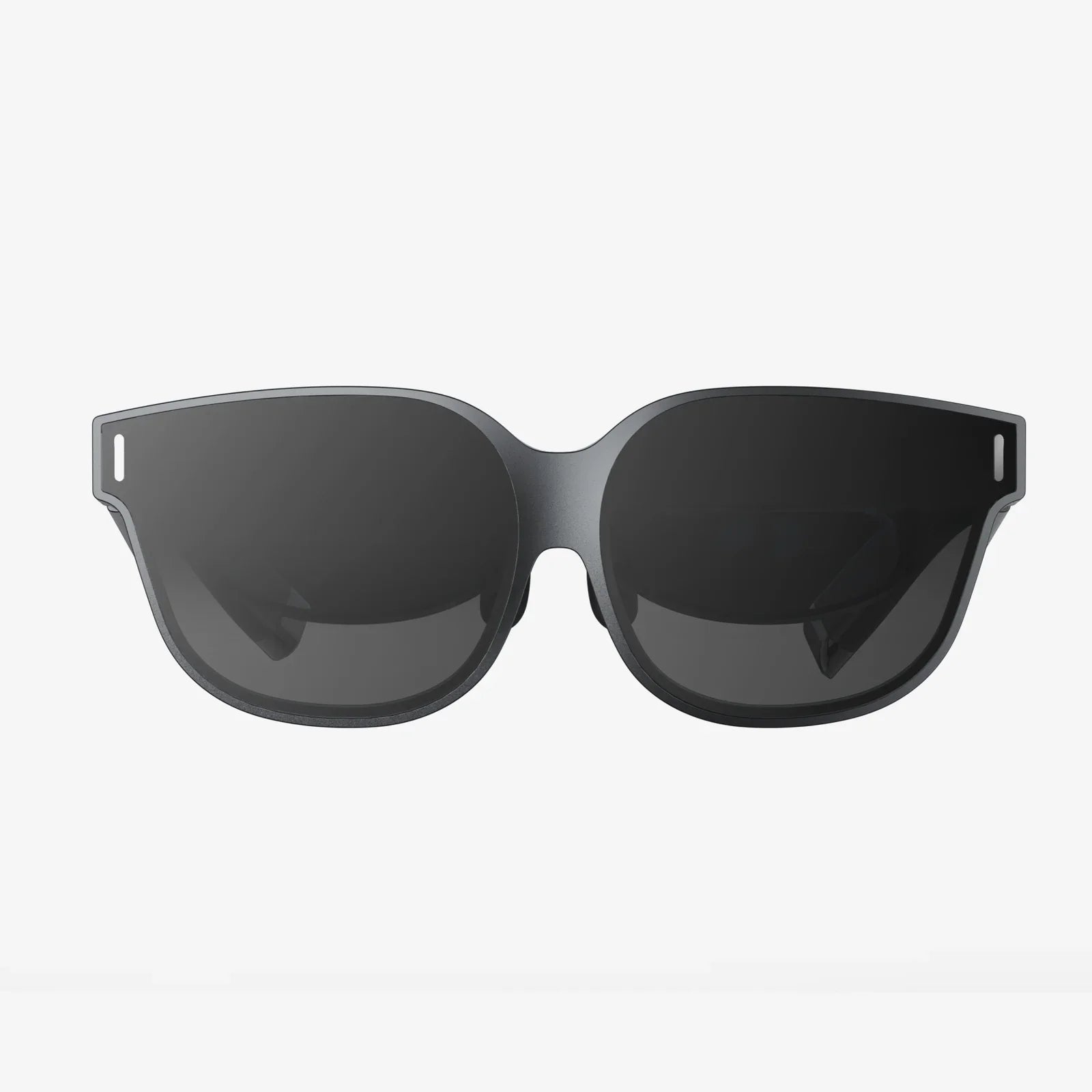
Imagine the most immersive, distraction-free, and personally customized movie theater in the world. Now imagine it can be summoned anywhere you please—your living room, a plane, or a quiet corner of a park. This isn't a glimpse into a distant future; it's the reality offered by modern VR glasses to watch movies, a technological leap that is fundamentally reshaping our relationship with film and narrative. This is more than just a bigger screen; it's a portal to a new dimension of cinematic immersion.
The All-Encompassing Cinema: A New Era of Immersion
Traditional home viewing, for all its convenience, is rife with compromises. The glow of a smartphone, the chatter of family, the reflection on the TV screen—all these elements fracture the carefully constructed world a filmmaker intends to build. VR technology shatters these barriers. When you don a headset, you are no longer in your room watching a story unfold on a rectangle. You are inside the story.
The effect is achieved through a combination of key technological factors:
- Complete Field of View: High-quality headsets fill your entire peripheral vision, effectively replacing your real-world environment with the digital one. There is nothing to see but the film.
- Spatial Audio: This is arguably as important as the visual component. Advanced audio systems simulate a 3D soundscape. A character whispering over your shoulder will sound like it's coming from behind you. A spaceship soaring overhead will roar from above. This auditory fidelity deepens the sense of presence in a way a standard soundbar simply cannot match.
- Visual Fidelity: With high-resolution displays measured in pixels-per-degree, the dreaded "screen door effect" of early VR is a fading memory. The image is sharp, vibrant, and convincing, allowing you to forget the technology and focus on the narrative.
Beyond the Giant Screen: Experiencing Films in 180 and 360 Degrees
While simulating a massive, private IMAX theater is a primary draw, VR unlocks cinematic formats that are impossible to experience elsewhere. The most significant of these are 180-degree and 360-degree films.
Imagine a concert film where, instead of a fixed camera shot, you are standing on the stage next to the drummer. You can look down at the kit, up at the roaring crowd, or over at the lead guitarist shredding a solo. Your perspective is your own. This is the power of 180-degree video.
360-degree content takes this further, placing you at the absolute center of the action. Documentary filmmakers are using this to powerful effect, transporting viewers to the summit of Mount Everest, the depths of the ocean, or the bustling streets of a foreign city. In narrative filmmaking, it creates an unprecedented level of agency. A dialogue scene in a 360 film might have you choosing to focus on the character speaking, or you might turn around to observe a subtle reaction from another character in the background—a detail completely missed in a traditional flat film. This format challenges passive viewing and encourages active exploration, making you a participant within the scene rather than a mere observer of it.
Crafting Your Perfect Virtual Theater Environment
One of the most delightful aspects of watching movies in VR is the ability to choose your environment. The virtual cinema apps available are not merely video players; they are architects of ambiance.
You can select to watch your film in a replica of a classic, velvety art-deco cinema, complete with empty red seats and dimmed sconce lighting. You can choose a minimalist, futuristic theater on the moon, with a giant portal window looking out at the cratered surface and the Earth hanging in the blackness of space. Or perhaps you'd prefer a cozy, intimate setting like a comfortable loft apartment or a quiet cabin by a virtual lake.
This level of customization extends beyond mere aesthetics. It allows you to curate the perfect mood for your film. A horror movie is inherently more terrifying when watched in a virtual environment that feels isolated and dark. An epic sci-fi adventure feels grander when viewed from a spaceship observatory. This control over the viewing context is a unique power given to the VR viewer.
The Practicalities: Comfort, Content, and Considerations
Adopting this new form of viewing is not without its practical considerations. The most common hurdle for new users is comfort. Early headsets were often heavy and cumbersome. However, the industry has made significant strides. Modern devices are lighter, better balanced, and feature improved ergonomics with adjustable straps and facial interfaces. For extended viewing sessions, investing in a comfortable aftermarket strap and taking brief breaks every hour or so can make a world of difference.
The content ecosystem is also rapidly expanding. Major streaming services have developed dedicated VR applications, offering vast libraries of traditional 2D and 3D films for viewing in virtual theaters. Furthermore, there is a growing marketplace specifically for native VR content—those 180 and 360-degree experiences that are unique to the medium. While this library is not yet as vast as traditional film catalogs, it is growing steadily with offerings from major studios and independent creators.
It's also important to consider the social aspect. While watching a movie in VR can be a profoundly solitary experience, it doesn't have to be. Multiplayer theater apps allow you to invite friends' avatars to join you in your virtual cinema. You can sit together, chat, and react to the film as if you were in the same physical room, even if you are continents apart. This social viewing layer adds a wonderful new dimension to long-distance movie nights.
The Future of Filmmaking in a Virtual World
The impact of VR extends beyond consumption to the very art of filmmaking itself. Directors and cinematographers are beginning to think in spheres instead of frames. They are crafting narratives that acknowledge the viewer's presence, using sound and action to guide attention rather than rigid cuts. This is a new cinematic language in its infancy.
We are moving towards interactive narratives where the viewer's gaze might influence the story. Imagine a mystery where looking at a specific clue triggers a flashback, or a drama where the story unfolds differently based on which character you are paying the most attention to. This blurs the line between cinema and video games, creating a new hybrid form of experiential storytelling.
Future technological advancements will only accelerate this trend. Lighter, wireless headsets with even higher resolution, varifocal lenses for perfect eye comfort, and haptic feedback suits for physical immersion are all on the horizon. The virtual cinema of tomorrow will be indistinguishable from reality—or will craft realities far beyond our own.
The journey of watching a film has evolved from a communal gathering in a grand theater to a private affair on a living room television. Now, with VR glasses, we are embarking on the next logical step: the internalization of cinema. It is an intimate, powerful, and deeply personal way to experience stories. It returns a sense of awe and wonder to the act of watching a movie, making it an event again. It’s not about replacing the traditional movie night, but about adding a powerful new tool to our entertainment arsenal—one that offers an escape so complete, you’ll forget you ever had a living room to begin with.
Share:
AR and VR in Digital Marketing: The Ultimate Guide to Immersive Consumer Engagement
Augmented Reality Deep Learning: The Symbiotic Future Reshaping Our World