


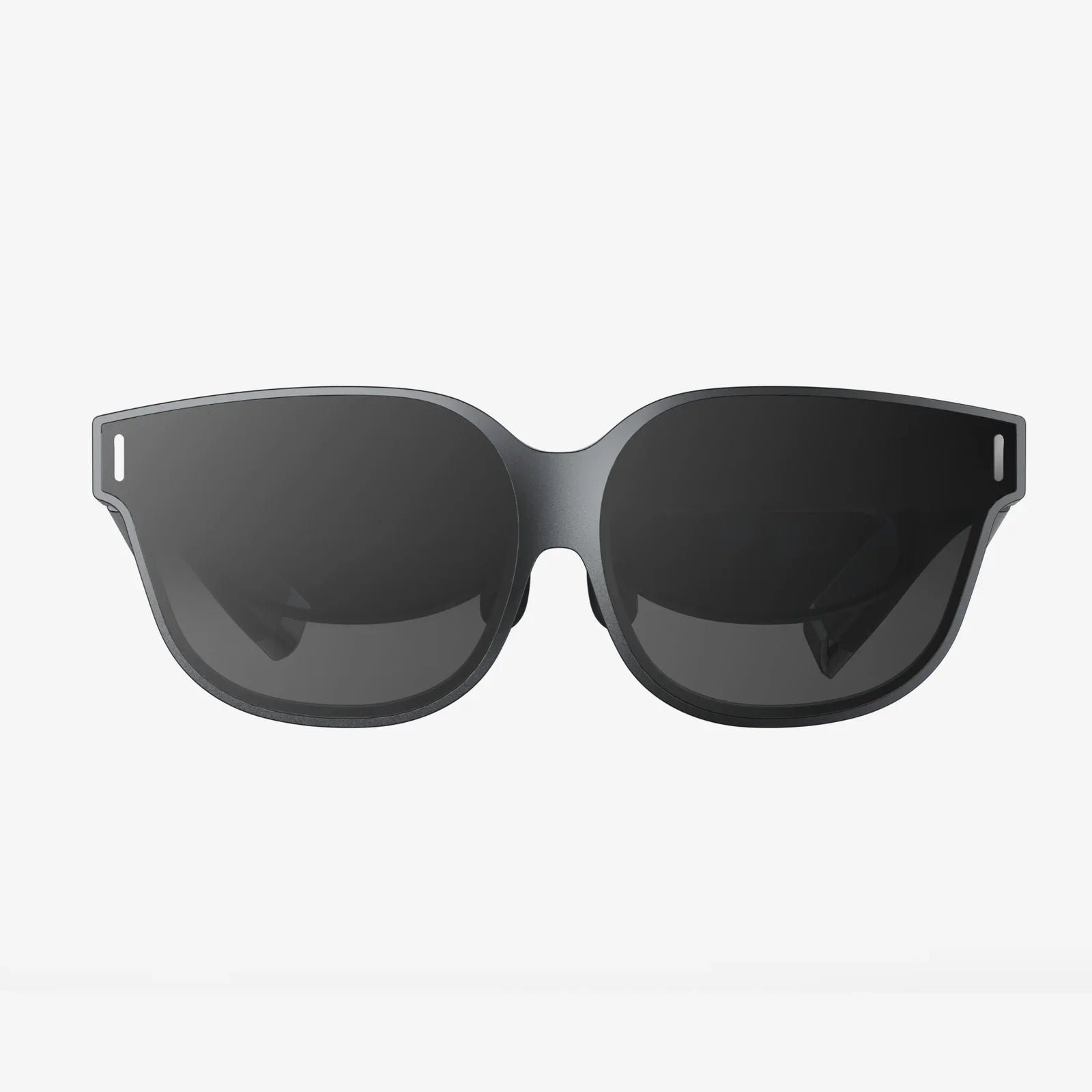
Imagine a device that doesn’t just transport you to another world but does so with such style and sophistication that it becomes an extension of your identity. The quest for the perfect virtual reality experience is no longer just about raw processing power and pixel density; it has been irrevocably joined by a powerful new imperative: VR goggles cool design. This isn't a superficial trend; it's a fundamental shift in how we perceive and integrate technology into our lives, blending cutting-edge engineering with visionary aesthetics to create wearable art that unlocks digital universes.
The Evolution from Function to Form
To appreciate the current state of VR design, one must first glance back at its humble, and often cumbersome, beginnings. The earliest iterations of consumer-grade VR headsets were engineering marvels, yet they were almost universally criticized for their bulky, front-heavy designs, labyrinthine cables, and an overall aesthetic that could charitably be described as "futuristic geek." They were designed by engineers, for engineers, prioritizing internal components with little regard for the human form they were meant to adorn.
This focus on pure function created a significant barrier to mainstream adoption. The devices were intimidating, uncomfortable for extended use, and socially isolating—they were something you used in a dark room, not something you’d proudly showcase. The turning point came when the industry realized that for VR to truly transcend its niche status, the hardware needed to become more human. It needed to be lighter, more comfortable, wireless, and, crucially, it needed to look cool. This marked the birth of a new design philosophy where ergonomics and aesthetics became just as important as the technical specs on the box.
The Pillars of Modern VR Goggle Design
Today's cool VR designs are built upon several interconnected pillars that work in harmony to create a superior product.
Ergonomics and Comfort: The Foundation of Cool
A design can only be considered truly "cool" if it's a pleasure to use. No amount of sleek styling matters if the headset is a pain to wear. Modern designers have tackled this from every angle:
- Weight Distribution: Instead of placing all the heavy tech at the front, advanced designs use counter-balancing, often shifting the battery pack to the rear. This creates a halo-like or ski-goggle-like fit that evenly distributes pressure across the skull and forehead, not the bridge of the nose.
- Materials: The use of lightweight yet durable materials like advanced polymers, magnesium alloys, and carbon fiber composites is now standard. Plush, breathable, and often interchangeable facial interfaces made of hypoallergenic memory foam create a custom seal without causing heat buildup.
- Adjustability: Cool design is inclusive design. IPD (Interpupillary Distance) sliders, diopter adjustments for those with minor eyesight issues, and a wide range of head strap adjustments ensure the device conforms to the user, not the other way around.
Aesthetics and Industrial Design: Crafting an Icon
This is where cool design becomes most visible. Industrial designers are now key players in VR development teams, employing principles once reserved for high-end consumer electronics and fashion.
- Minimalism and Streamlining: Gone are the jagged edges and overtly "techy" looks. The new language is one of smooth, flowing curves, unibody constructions, and a reduced visual footprint. The goal is to make the headset appear less like a piece of lab equipment and more like a premium accessory.
- Color and Finish: While black remains a popular choice for its ability to fade into the background, we're seeing a rise in sophisticated white, sleek metallic finishes, and even bold, accent colors. Matte textures that resist fingerprints are favored over glossy plastics, conveying a sense of premium quality.
- Integrated Technology: Cool design often hides its complexity. Built-in cameras for passthrough and tracking are seamlessly integrated into the chassis, avoiding the "bug-eyed" look of older models. Ventilation systems are discreetly hidden within the overall form factor.
The Wireless Revolution: Cutting the Cord to Coolness
Perhaps the single biggest contributor to a cool VR design has been the elimination of the tether. A trailing cable was the ultimate symbol of being shackled to the real world, a constant reminder of the headset's limitations. Standalone and wireless-capable headsets have liberated users, both physically and aesthetically. This freedom demanded a new form factor—self-contained, balanced, and elegant. The design challenge shifted from managing a cable to managing everything within a single, cohesive, and portable unit.
The Deeper Meaning of "Cool": Design as a Social Statement
The evolution of VR goggle design reflects a broader cultural shift in our relationship with technology. We no longer want our gadgets to be merely functional; we want them to express our personal style and values. A cool VR headset is a social signal. It says the user is tech-savvy, values high-quality experiences, and has an eye for design. It’s a device you wouldn’t mind being seen wearing, whether you're exploring a virtual museum, collaborating in a virtual workspace, or battling aliens in your living room.
This social acceptance is critical for the metaverse—a proposed future of interconnected virtual spaces. For these spaces to thrive, the hardware that acts as our gateway must be something people want to wear, akin to a stylish pair of sunglasses or headphones, not a piece of medical apparatus.
Where Do We Go From Here? The Future of VR Design
The pursuit of the ultimate cool design is far from over. The horizon points towards even more radical integration of technology and form.
- The Quest for Invisibility: The holy grail remains socially acceptable AR glasses—thin, light, and indistinguishable from regular eyewear. While the technology for full VR in this form factor is further out, it is the undeniable end goal, pushing current designs to become ever slimmer and lighter.
- Biometric Integration: Future designs will seamlessly incorporate sensors for eye-tracking, facial expression capture, and even heart rate monitoring. The cool design challenge will be to integrate these features without adding bulk or creating a visually cluttered device.
- Personalization and Customization: The future is personal. We will see a move towards modular designs where users can swap out faceplates, headbands, and other components to match their style, much like with modern smartphones and smartwatches. Limited-edition colors and collaborations with artists and fashion designers could become commonplace.
- Sustainable Design: The next wave of cool will also be green. Expect a greater focus on recyclable materials, repairability, and modular upgrades to reduce electronic waste, making the design ethically as well as aesthetically cool.
The journey of VR goggles from bulky prototypes to objects of desire is a testament to the power of design. It proves that technology reaches its true potential not when it is merely powerful, but when it is also beautiful, intuitive, and human-centered. The cool design is no longer an optional extra; it is the essential bridge that connects the incredible potential of virtual worlds to the real, style-conscious, and comfort-seeking people who will inhabit them. The headset is no longer just a window into another reality—it's a statement piece that defines our place in the future of human connection.
This relentless focus on aesthetics is quietly transforming VR from a solitary gaming gadget into the next essential platform for work, creativity, and social connection—all you need to do is put on a pair.
Share:
Wearable Mobile Devices: The Next Frontier in Personal Technology and Human Connection
Man With VR Goggles: The Unseen Revolution Reshaping Reality