


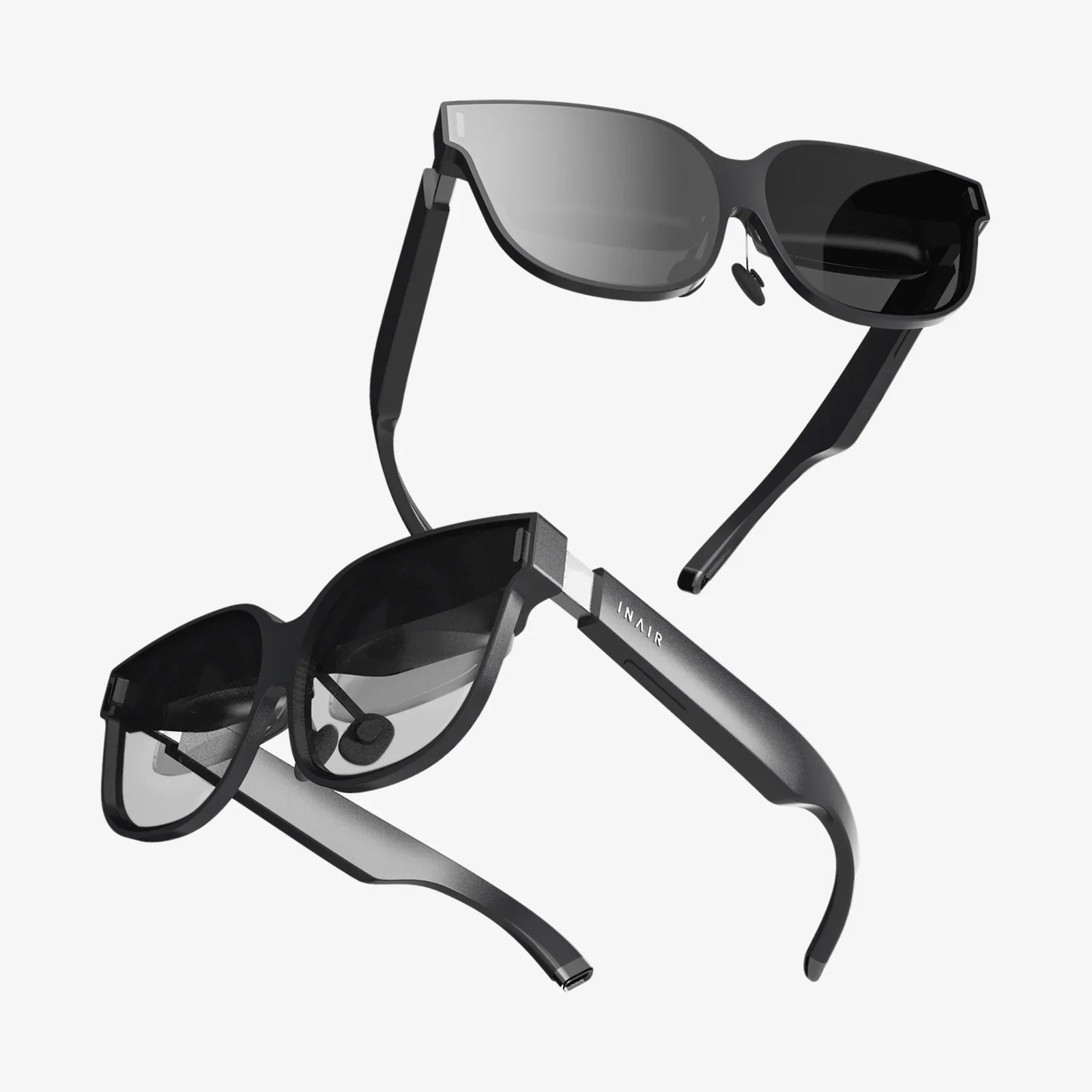
You've seen the breathtaking trailers, you've heard the testimonials from friends, and you're ready to take the plunge into virtual reality. But one question stops you cold every single time: just how much are those VR goggles going to cost me? The price tag for a portal to another world can seem like a mystery, shrouded in technical jargon and confusing tiers. Fear not, prospective reality-shifter. This guide isn't just a list of prices; it's a deep dive into the very ecosystem of VR cost, designed to equip you with the knowledge to make the perfect investment for your wallet and your wonder.
Deconstructing the Dollar Signs: What You're Actually Paying For
To understand the cost of VR goggles, you must first look beyond the plastic and lenses. You are investing in a sophisticated fusion of technologies, each contributing to the final price.
The Display: This is your window into the virtual world. The cost here is driven by resolution (sharpness), refresh rate (smoothness), and the display technology itself, such as LCD or OLED. Higher-resolution displays with fast refresh rates eliminate the "screen door effect" and reduce motion sickness, but they demand more expensive panels and more powerful hardware to run, significantly driving up cost.
The Tracking System: How does the headset know where you are? Basic systems use internal sensors for rotation tracking. More advanced and costly systems employ external sensors or cameras placed around your room for precise positional tracking, translating your physical movements inch-perfectly into the virtual space. The most modern inside-out tracking systems have cameras built directly into the headset, a convenient but complex technology that impacts the price.
The Lenses: Often overlooked, the quality of the lenses is paramount to comfort and immersion. Cheap, simple lenses can cause eye strain, blurriness, and a narrow "sweet spot." Premium headsets use advanced, custom-engineered lenses like Fresnel or pancake lenses that provide a wider field of view, better clarity, and greater comfort, adding to the research, development, and manufacturing cost.
Computational Power: This is the great divider. Standalone headsets have a computer built right in. The cost of this mobile processor, RAM, and storage is baked into the headset's price. PC-powered headsets, on the other hand, are essentially sophisticated displays and sensors; they offload the computational cost to an external device you must own separately, which dramatically affects the total system cost.
Controllers and Haptics: Your hands in VR. Basic controllers get the job done. High-end controllers offer superior ergonomics, finger tracking, and advanced haptic feedback that can simulate the feeling of touching virtual objects. This level of immersion requires intricate hardware and software integration, contributing to a higher price point.
The Budget-Conscious Gateway: Entry-Level VR (Under $300)
This tier is dominated by standalone headsets and is the most accessible point of entry for millions of users. The all-in-one nature means there are no hidden costs for a powerful computer or console.
The experience in this bracket is focused on convenience, portability, and a massive library of mobile-powered games and experiences. The graphics will be less detailed than their high-end counterparts, akin to a mobile gaming experience. The tracking is solid and entirely contained within the headset, perfect for smaller spaces. For many, this tier represents the best value, offering a complete, functional, and incredibly fun VR system for a one-time payment. The primary trade-off is a reliance on mobile-grade processing power, which limits graphical fidelity and the complexity of experiences.
The Balanced Ecosystem: Mid-Range VR ($300 - $800)
This category is fascinating and competitive. It primarily includes more advanced standalone headsets and older-generation PC-powered headsets that have seen price drops.
Here, you often get a significant step up in power from the entry-level. Think sharper displays, better lenses, more storage, and more comfortable designs. These devices often position themselves as productivity tools as well as entertainment systems, capable of functioning as private monitors for virtual desktops. This tier offers a compelling balance, providing a high-quality, all-in-one experience that can sometimes even connect to a computer for an enhanced graphical boost, offering the best of both worlds for a moderate cost.
The Pinnacle of Presence: High-End VR ($800 - $1500+)
Welcome to the cutting edge. This tier is for the enthusiast, the professional, and the individual who demands the absolute best visual fidelity, tracking precision, and immersion. These are almost exclusively PC-powered headsets, meaning the headset cost is only part of the story.
The headsets in this bracket feature the highest-resolution displays available, ultra-wide field of views, exquisite lens clarity, and professional-grade external tracking systems. They are engineered for comfort during long sessions and are the standard for competitive VR gaming and professional applications like architectural visualization and medical training. The critical caveat, and the most significant factor in the total VR goggles cost, is the required PC. To power these pixel-dense displays, you need a high-end graphics card and a capable processor, an investment that can easily double or triple the total cost of entry.
The Hidden Figures: Beyond the Initial Purchase
The price on the box is rarely the final cost of your VR journey. Smart shoppers must account for these additional investments.
Content Library: Games and applications are not free. Premium titles can cost between $20 and $60. While many experiences are free or low-cost, building a robust library is an ongoing expense.
Essential Accessories: The base package might not include everything you need. A secondary strap for better comfort, a dedicated carrying case, rechargeable batteries for controllers, and VR-specific hygiene products like face coverings are common and advisable purchases that add to the total cost of ownership.
The PC Powerhouse (For PCVR): This cannot be overstated. If you opt for a high-end headset, ensure your computer meets, and preferably exceeds, the recommended specifications. A $1000 headset is useless without a $800+ graphics card to run it properly. This is the single largest potential hidden cost.
Justifying the Investment: The Value Proposition of Virtual Reality
So, with all these potential costs, is it worth it? The answer is a resounding yes for a growing number of people, but it depends on what you seek.
For Gamers, VR offers a level of immersion flat screens cannot match. It's not just playing a game; it's being inside it. The cost of a high-end VR setup is comparable to that of a new gaming console, a premium monitor, or a high-end graphics card—all of which are investments in a hobby.
For Fitness Enthusiasts, VR has become a legitimate workout tool. Engaging fitness apps can make cardio fun, offering a dynamic alternative to a treadmill or a yearly gym membership, potentially paying for itself over time.
For Professionals and Creators, VR is a tool for design, collaboration, and training. The cost of a professional-grade headset is a business expense, offset by its utility in prototyping, holding immersive meetings, and training in safe, virtual environments.
For Socializers and Explorers, VR platforms offer new ways to connect with friends, attend virtual concerts, and travel to digital recreations of far-off places or impossible worlds. The value is in unique experiences and social connection.
Navigating Your Purchase: A Strategic Approach
Before you click "add to cart," ask yourself these questions to find your perfect price-to-performance ratio:
- What is my total budget, including potential hidden costs? Be honest and factor in games, accessories, and a PC upgrade if necessary.
- What is my primary use case? Is it casual gaming, hardcore simulation, fitness, or productivity? Your answer will point you to the right tier.
- What hardware do I already own? Do you have a powerful gaming PC? Then a PC-powered headset offers immense value. If not, a standalone headset is your only logical choice.
- Where will I use it? Do you have a large, dedicated play space, or are you working with a cozy living room? This will influence the type of tracking system you need.
The market for VR is dynamic. New headset announcements can cause the price of previous models to drop significantly, often creating incredible value in the mid-range bracket. Patience and research are your greatest allies.
The landscape of VR is evolving at a breakneck pace, with new innovations in display technology, miniaturization, and processing power promising to deliver higher fidelity experiences at lower costs in the future. What seems like a premium feature today may become standard tomorrow.
Forget everything you thought you knew about the price of admission to other worlds. The true cost of VR goggles is not a single number on a website; it's a spectrum of possibilities, a tailored investment in your future entertainment, creativity, and connection. Whether you're a curious first-timer or a seasoned veteran ready to upgrade, the perfect headset isn't defined by its price tag, but by its ability to vanish from your mind the moment you step into the experience. The only question left is, which reality will you choose to invest in?
Share:
3D Display Technology News: The Next Frontier in Visual Realism is Here
New AR Glasses Technology: The Invisible Revolution Reshaping Our World