


- by wangfred
VR Goggles for Android: Your Ultimate Portal to Immersive Mobile Virtual Reality
- by wangfred
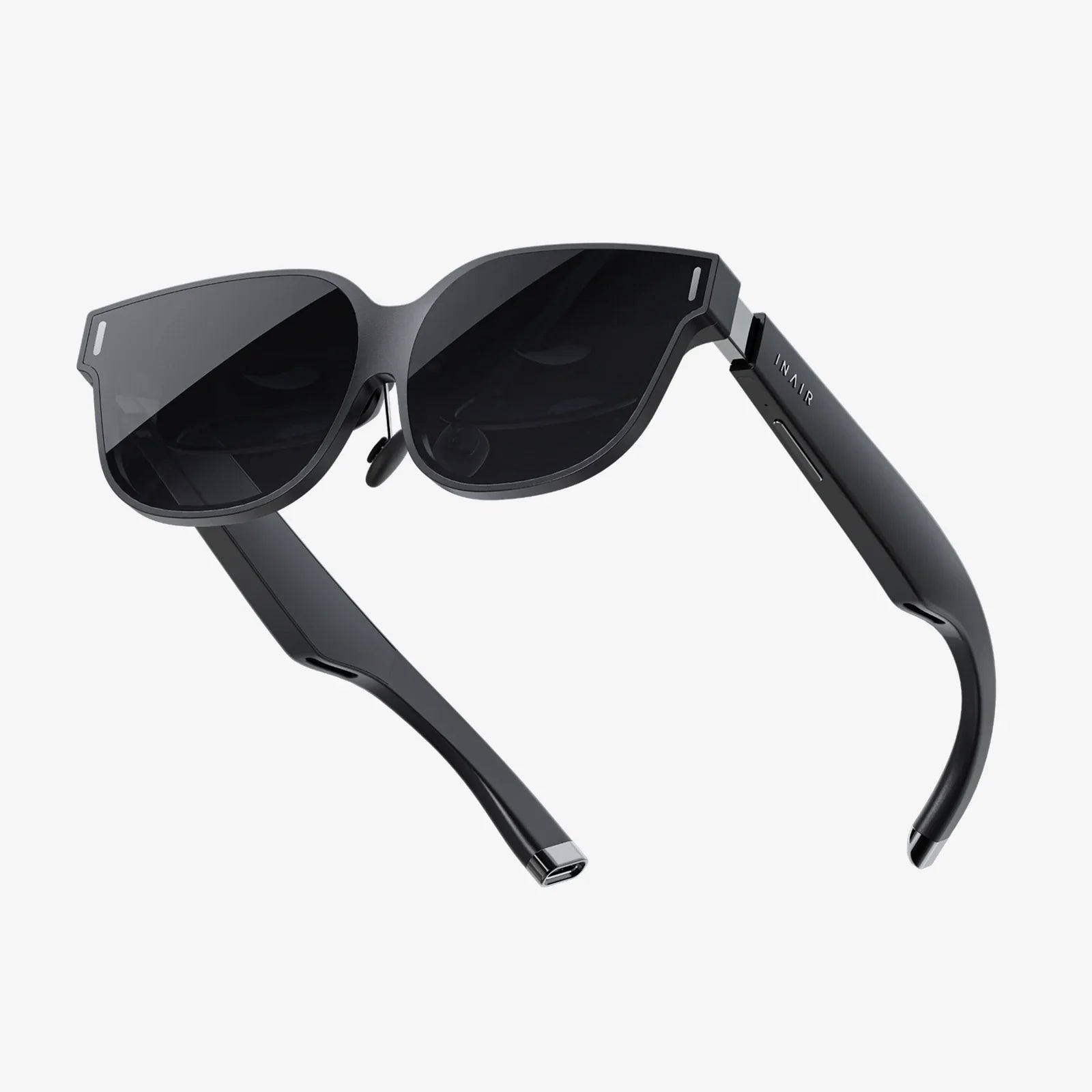
Imagine slipping on a headset and instantly being transported from your living room to the front row of a concert, the surface of Mars, or the depths of the ocean. This is no longer science fiction; it's the accessible, awe-inspiring reality offered by VR goggles for Android, a technological marvel that leverages the power already in your pocket to unlock entirely new dimensions of experience. The journey into virtual reality is more affordable and straightforward than ever, and it begins with understanding how these portable portals work.
At its core, the concept of using VR goggles with an Android device is elegantly simple. Your smartphone possesses almost all the necessary hardware: a high-resolution screen, a powerful processor, a suite of motion sensors (gyroscopes, accelerometers), and often a magnetometer. VR goggles for Android provide the missing pieces—the housing, the lenses, and an interface for user interaction.
The process begins when you secure your Android phone into the headset's compartment. The dedicated VR application then splits the screen into two identical images, one for each eye. The real magic happens with the lenses. These specially designed optical elements warp and focus the two 2D images, creating a single, stereoscopic 3D environment that fills your entire field of view. This technique, known as binocular disparity, tricks your brain into perceiving depth and scale, making a flat screen feel like an expansive world.
Meanwhile, the headset's internal sensors, or more commonly, your phone's own built-in sensors, track the rotation of your head. As you look up, down, left, or right, this movement data is relayed to the phone instantaneously, and the software adjusts the on-screen perspective accordingly. This creates the critical and immersive feeling of presence—the sensation that you are truly inside the virtual space, not just observing it. Higher-end models often include additional features like a dedicated tracking sensor or a wireless controller, which enhances interaction by allowing you to reach out and manipulate the virtual environment.
Not all VR goggles for Android are created equal. The market offers a spectrum from simple, affordable viewers to more advanced, feature-rich systems. Your choice depends on your desired level of immersion, comfort, and budget. Here are the critical factors to weigh before making a purchase.
Measured in degrees, the Field of View is arguably the most crucial spec for immersion. It determines how much of the virtual world you can see without turning your head. A narrow FOV can feel like looking through a pair of binoculars, while a wider FOV (90 degrees and above) creates a more natural and enveloping experience. Most modern dedicated mobile headsets aim for a FOV between 90 and 110 degrees.
You'll want to wear your headset for more than a few minutes, so comfort is paramount. Look for a design that distributes weight evenly across your face and head. A wide, padded forehead rest and adjustable straps (especially an over-the-head strap) are essential for long-term comfort. Consider materials; soft, breathable foams are preferable to hard plastics against the skin. Also, ensure the headset is adjustable to accommodate different interpupillary distances (the space between your eyes) for a clear, aligned image.
How will you interact with the virtual world? Basic models may only feature a single button or a magnetic trigger for simple input. For a truly engaging experience, a dedicated wireless controller is a game-changer. These controllers are often tracked in 3D space, allowing for intuitive actions like pointing, grabbing, and throwing virtual objects. Some advanced systems even incorporate hand-tracking technology, enabling you to use your bare hands as the controller.
This is a non-negotiable check. Ensure the headset's compartment is large enough to fit your specific Android phone model. Pushing high-resolution graphics at a high frame rate can cause smartphones to heat up quickly. Some premium headsets address this with built-in cooling fans or vents to prevent thermal throttling, which can cause lag and break immersion.
The lenses are your window into VR. High-quality, precision-ground lenses with anti-scratch and anti-fog coatings will provide a sharper, clearer, and more comfortable view with less distortion around the edges (a phenomenon known as the 'screen-door effect').
The hardware is just the vessel; the content is the adventure. The Google Play Store and other platforms host a vast and growing library of VR experiences designed specifically for Android-powered headsets.
Gaming is the flagship application for VR. From heart-pounding horror titles where you must survive in a haunted house to exhilarating space shooters where you pilot a starfighter, the level of engagement is unparalleled. Puzzle games take on a new dimension as you physically lean and peer around obstacles. There are also incredibly creative sandbox games that allow you to build and explore worlds limited only by your imagination.
You are no longer just watching a video; you are in it. Platforms like YouTube VR host millions of 360-degree videos. You can stand on the summit of Mount Everest, swim with great white sharks, or attend a Coachella concert, all from your home. Travel agencies and tourism boards are creating stunning VR previews of destinations, offering a potent "try before you fly" experience. This technology is also a powerful tool for documentary filmmaking, placing viewers directly in the story.
VR is revolutionizing education. Students can take a field trip to ancient Rome, walk through a human heart, or conduct complex chemistry experiments in a safe, virtual lab. Medical students practice procedures, mechanics can learn to repair engines, and public speakers can practice in front of a virtual audience. The ability to learn by doing in a simulated environment accelerates understanding and retention.
Virtual reality is becoming a new social platform. Apps allow you to create a cartoonish avatar and meet friends in virtual spaces to watch movies, play games, or just hang out. Despite being physically apart, you can share experiences and feel a genuine sense of presence and connection with others, making it a powerful tool for combating social isolation.
While the technology is impressive, it's important to have realistic expectations. Mobile VR is inherently constrained by the phone's battery life, processing power, and thermal limits. The graphical fidelity, while good, may not match that of a high-end, tethered PC VR system. Furthermore, some users experience motion sickness, especially in experiences that involve artificial locomotion (moving with a controller rather than physically walking).
However, the future is incredibly bright. As Android phones become more powerful with better screens and more efficient chipsets, the mobile VR experience will only improve. We are moving towards inside-out tracking, where cameras on the headset itself map your room, allowing for room-scale movement without external sensors. The integration of augmented reality (AR) features will also blur the line between the virtual and the real, creating mixed reality experiences. The ultimate goal remains the same: to make the technology so seamless, comfortable, and compelling that the headset itself disappears, leaving only the experience.
The barrier to entry for exploring virtual worlds has never been lower. With a compatible Android device and the right pair of goggles, you hold a ticket to an infinite number of experiences, from pulse-pounding adventures to serene, educational journeys. This is more than just a new way to play games; it's a new way to see, learn, and connect. The next frontier isn't waiting for you in a store—it's waiting for you to look up from your phone, place it into a headset, and take that first, breathtaking step into the virtual unknown.