


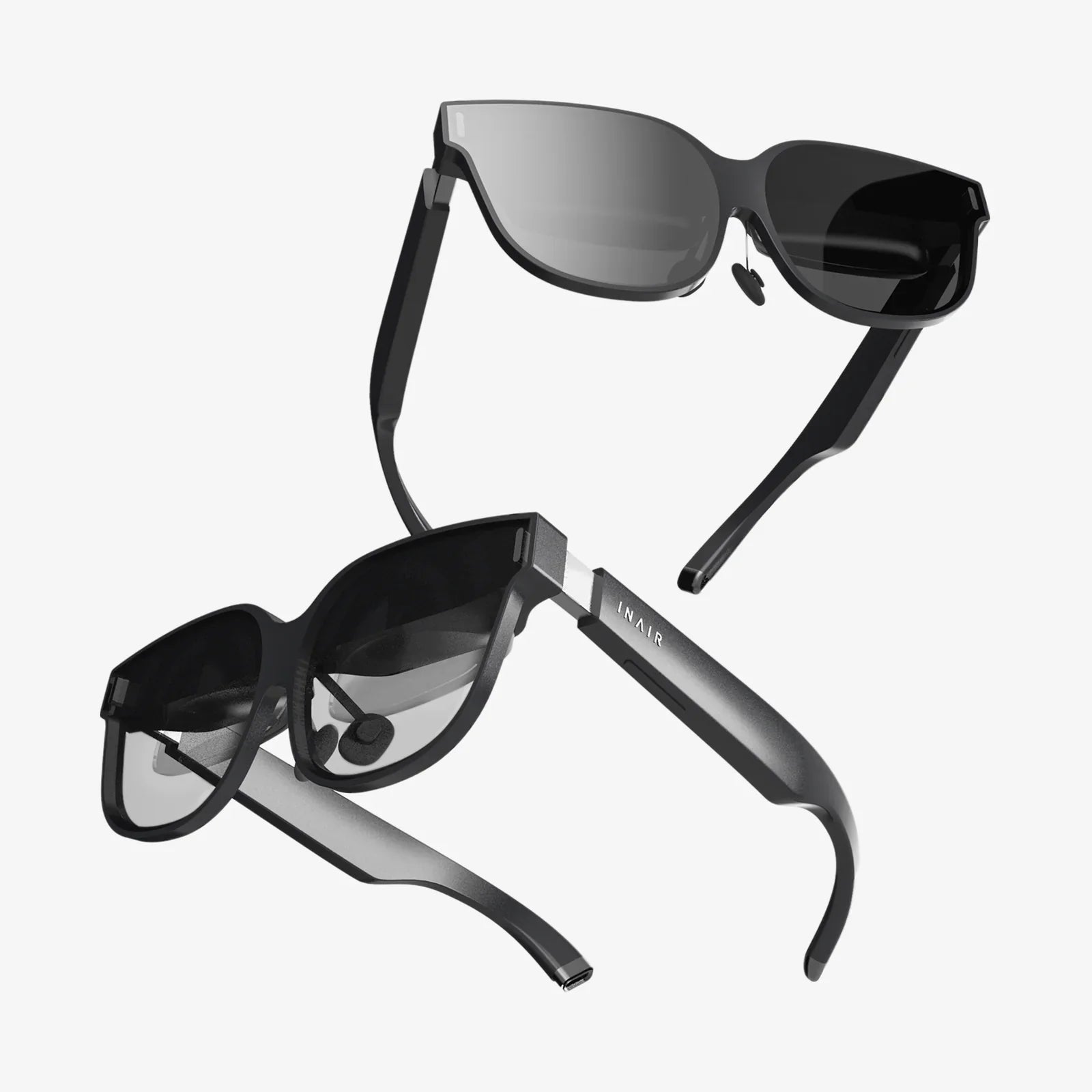
Imagine walking into your office, not through a door, but by simply slipping on a headset. Your physical surroundings dissolve, replaced by a sun-drenched virtual beach, a sleek minimalist skyscraper, or a collaborative hub buzzing with avatars of your colleagues from across the globe. This is no longer the stuff of science fiction; it is the rapidly emerging reality of VR goggles for work, a technological shift poised to dismantle traditional notions of the workplace and unlock unprecedented levels of human potential and efficiency. The era of the immersive office is here, and it promises to be nothing short of revolutionary.
Beyond the Novelty: From Gaming Peripheral to Professional Powerhouse
For years, virtual reality was synonymous with immersive gaming and entertainment. The image of a solitary individual, contorting with invisible controllers in their living room, dominated the public perception. However, beneath the surface, a quiet evolution was taking place. The core technology—high-resolution displays, precise motion tracking, spatial audio, and ergonomic design—underwent rapid refinement. This maturation, coupled with the global shift towards remote and hybrid work models, created the perfect catalyst for VR to step into the professional arena. The question shifted from 'Can we use this for fun?' to 'How can this make us work smarter, faster, and better?'
The fundamental value proposition of VR goggles for work lies in their ability to transcend physical and geographical limitations. They are not merely a screen on your face; they are a portal to a persistent, malleable, and shared digital space. This capability addresses some of the most persistent pain points of modern business: the inefficiencies of remote collaboration, the high cost and logistical nightmare of physical travel, and the challenges of effectively training a distributed workforce.
The Pillars of the Virtual Workspace: Core Applications
The adoption of VR in professional settings is being driven by several powerful and practical applications that deliver tangible returns on investment.
Immersive Collaboration and Meetings
Video conferencing platforms like Zoom and Teams were a lifeline during the shift to remote work, but they often feel like a poor substitute for in-person interaction. They suffer from the "Brady Bunch" grid, a lack of spatial awareness, and the all-too-common fatigue associated with constant screen staring. VR collaboration platforms solve this by creating a sense of presence—the visceral feeling of being in the same room with others.
In a virtual meeting room, participants are represented by expressive avatars, capable of natural gestures and body language. Instead of talking into a camera, you turn your head to address the person next to you. You can gather around a virtual whiteboard and ideate in three dimensions, manipulating 3D models with your hands, pulling up web browsers and documents that float persistently in the shared space. A design team in Tokyo can stand inside a full-scale architectural model with their client in London, making real-time adjustments and experiencing the space long before a single brick is laid. This level of interaction fosters deeper engagement, minimizes miscommunication, and dramatically accelerates the decision-making process.
Next-Generation Training and Simulation
This is perhaps one of the most impactful use cases for VR goggles for work. Traditional training methods—manuals, videos, or lectures—often struggle to translate theoretical knowledge into practical, muscle-memory skill. VR, however, provides a safe, controlled, and infinitely repeatable environment for hands-on learning.
- High-Stakes Skills: Surgeons can practice complex procedures on virtual patients without risk. Aircraft mechanics can learn to service intricate engine components without needing access to a multi-million dollar physical plane. The cost savings on physical equipment and the reduction in training-related errors are immense.
- Soft Skills Development: Employees can practice public speaking in front of a virtual audience, navigate difficult customer service scenarios with AI-powered avatars, or conduct sensitive performance review conversations. They can make mistakes, receive feedback, and try again in a low-pressure environment, building confidence and competence.
- Onboarding and Orientation: New hires can take a virtual tour of corporate headquarters, meet their team members as avatars, and complete compliance training in an engaging, interactive format, all from their home office, fostering a stronger connection to company culture from day one.
Design, Prototyping, and Visualization
For architects, engineers, and product designers, VR is a game-changer. Computer-aided design (CAD) models are traditionally viewed on a 2D screen, requiring immense spatial reasoning to understand scale, proportion, and ergonomics. VR goggles allow designers to step inside their creations.
An automotive designer can sit in the driver's seat of a car that doesn't physically exist, assessing sightlines and dashboard layout. An interior architect can walk through a building at human scale, ensuring the flow of space feels right before construction begins. This ability to experience a design immersively uncovers flaws and opportunities that are impossible to see on a monitor, saving vast amounts of time and money on physical prototypes and late-stage changes.
Remote Assistance and Telepresence
Imagine a field technician facing a complex problem with unfamiliar machinery. Instead of waiting for a specialist to fly out, they can don VR goggles. Using a paired camera, the specialist, who could be thousands of miles away, can see exactly what the technician sees. The expert can then annotate the technician's real-world field of view with arrows, diagrams, and notes, literally guiding their hands through the repair process. This "see-what-I-see" capability slashes downtime, reduces travel costs for experts, and empowers on-site workers to resolve issues faster.
Navigating the Reality Check: Challenges and Considerations
Despite the immense potential, the path to widespread adoption of VR goggles for work is not without its obstacles. Acknowledging and addressing these challenges is critical for any organization considering implementation.
- Hardware Limitations: While improving, some users still experience discomfort, motion sickness (cybersickness), or eye strain during prolonged use. Ergonomics, weight distribution, and display technology continue to evolve to create headsets that are comfortable for all-day wear. Battery life is another consideration for marathon collaboration sessions.
- The Software Ecosystem: The virtual workplace is only as good as the applications that power it. While several robust enterprise-grade platforms exist, interoperability and standardization are still in their infancy. Companies must carefully evaluate which platforms best suit their specific workflows and ensure they integrate with existing tools like project management software and cloud storage.
- Cost and Accessibility: High-quality enterprise VR kits, which often include dedicated software licenses, support, and superior controllers, represent a significant investment. Organizations must conduct a thorough cost-benefit analysis, weighing the upfront costs against the projected gains in productivity, reduced travel, and improved training outcomes.
- Cultural and Behavioral Hurdles: Transitioning to a VR-first or VR-heavy workflow requires a significant cultural shift. Employees must be trained not just on how to use the technology, but on new digital etiquette. Leaders must champion the change and clearly articulate the "why" behind the investment to overcome natural resistance to new ways of working.
- Health and Safety: Creating a safe physical environment for VR use is paramount. Users need a clear space to move without risk of tripping or hitting objects. Companies must establish clear guidelines for usage durations to prevent fatigue and encourage regular breaks.
The Future of Work is Immersive: What Lies Ahead?
The trajectory of VR technology points towards a future where these challenges are largely mitigated. Headsets will become lighter, more comfortable, and more powerful, with resolutions approaching retinal clarity. The line between the physical and digital will further blur with advancements in haptic technology, allowing users to feel virtual objects. Artificial intelligence will play a larger role, generating dynamic meeting environments, providing real-time translation for global teams, and acting as intelligent assistants within the virtual space.
We are moving towards a hybrid model of work where the choice of interface—physical screen or virtual space—will be dictated by the task at hand. Mundane email checking might still happen on a laptop, but a complex brainstorming session, a sensitive client presentation, or a hands-on training module will naturally migrate into the immersive, collaborative realm of VR.
This evolution will also redefine the concept of the office itself. The value of commercial real estate may shift from physical location to the quality and capabilities of the digital spaces a company provides. The "office" becomes a service you access, a custom environment designed to optimize a specific type of work, unshackled from commute times and city zoning laws.
The clunky headset of today is the precursor to sleek, socially acceptable glasses that will seamlessly overlay digital information onto our physical world—a concept known as augmented reality (AR) or mixed reality (MR). This will represent the final convergence, offering the flexibility of screen-based work with the immersive power of VR when needed. The journey started with VR goggles for work is ultimately leading us to a fundamental rewiring of how we connect, create, and collaborate.
The transformation has already begun. Forward-thinking companies are not just experimenting; they are deploying these tools at scale and reaping the rewards. The immersive office is no longer a distant promise on the horizon—it's a competitive advantage that is being built today, one headset at a time. The question for businesses is no longer if they will adopt this technology, but how quickly they can adapt to harness its transformative power before they are left behind in a world that is rapidly moving from the flat screen into the boundless, three-dimensional future of work.
Share:
Best Device Intelligence Service: The Ultimate Guide to Unlocking Digital Identity
Best Device Intelligence Service: The Ultimate Guide to Unlocking Digital Identity