


- by wangfred
VR Goggles Launch: The Next Great Leap in Human Experience and Connection
- by wangfred
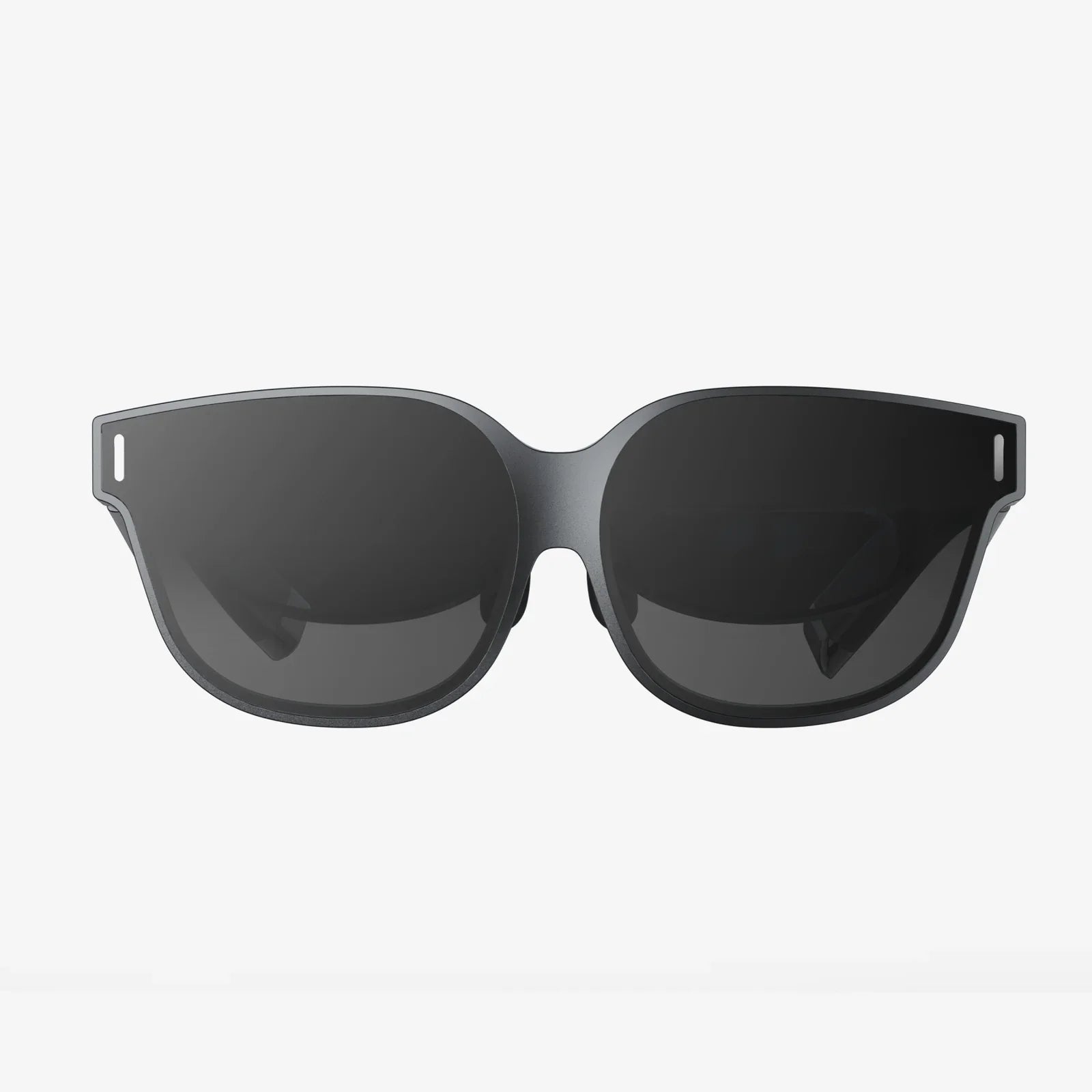
Imagine a device that doesn’t just display a world but builds one around you, a portal not to a screen but to a new layer of reality where the only limit is the imagination of humanity itself. This is the promise, the siren’s call, of the latest generation of hardware now entering the market. This isn’t just another product cycle; it is an inflection point, a moment where the nascent dreams of virtual reality coalesce into a tangible, accessible, and profoundly powerful tool poised to reshape everything from how we work and learn to how we connect and escape. The launch of these new immersive headsets is a signal flare, illuminating a path toward a future we’ve only ever seen in science fiction.
The journey of consumer virtual reality has been a turbulent one, marked by cycles of explosive hype and sobering reality checks. Early iterations were often criticized for being bulky, isolating, and lacking a compelling reason for sustained use beyond short-lived gaming experiences or novel tech demonstrations. They were, for many, a fascinating glimpse into a potential future, but not yet a must-have item for the present.
This new launch category seeks to shatter that perception entirely. The focus has dramatically shifted from pure escapism to practical utility, from a solitary activity to a connected experience. This generation of hardware is not being sold merely as a gaming peripheral but as a comprehensive spatial computing platform. The core idea is to move beyond the confines of a traditional monitor, allowing digital information to exist all around us, interacting with our physical space and responding to our natural gestures and commands. It’s about augmenting our reality as much as replacing it.
The transformative potential of this launch isn’t based on marketing alone; it is underpinned by a series of critical technological advancements that, together, create a qualitatively different user experience.
The single most important factor in achieving true immersion is visual fidelity. The dreaded "screen door effect," where users could discern the gaps between pixels, has been a persistent ghost haunting earlier VR. New micro-OLED displays represent a monumental leap forward. With resolutions soaring to near-retina quality in a per-eye display and refresh rates that ensure buttery-smooth motion, the visual experience is now breathtakingly crisp and fluid. This eliminates a major source of visual discomfort and allows virtual environments to feel solid, real, and convincing. High dynamic range (HDR) support adds depth through stunning contrast and vibrant color, making digital worlds feel alive.
Perhaps an even more significant evolution is in how we interact with these new worlds. The clunky controllers of the past, while functional, always served as a reminder that you were holding a tool. The new paradigm leverages a suite of sophisticated inward- and outward-facing sensors, including high-resolution cameras and LiDAR scanners. This enables two groundbreaking features:
Immersion is a multisensory experience. Spatial audio technology has advanced to the point where sound behaves as it does in the real world. If a virtual bee flies past your left ear, you hear it in your left ear. The sound of rainfall feels like it’s coming from all around you above, while a character’s voice emanates from their exact location in space. This 3D audio layer is critical for selling the illusion of being somewhere else and is a huge contributor to the sense of "presence."
Technology is useless if people don’t want to wear it. Recognizing that previous headsets were often described as face-mounted bricks, engineers have pursued a radical redesign. The use of advanced lightweight polymers, a better distribution of weight (often shifting the battery to the rear for balance), and bespoke, breathable facial interfaces make these new devices comfortable enough for multi-hour sessions. They are moving from a piece of lab equipment to a wearable, a piece of personal technology.
The impact of this hardware leap extends far beyond the living room of an enthusiast. It sends ripples across the global economy, offering new tools and paradigms for a vast array of professions.
The pandemic accelerated the adoption of remote work, but it also highlighted the limitations of 2D video calls for true collaboration. Spatial computing offers a solution. Imagine putting on a headset and joining a meeting not as a tile on a screen, but as a full-bodied avatar seated around a virtual conference table with colleagues from across the globe. You can review a 3D architectural model together, walking around it and making annotations in mid-air. You can brainstorm on a virtual whiteboard that feels infinite. This technology has the potential to make remote interaction feel human again, preserving the nuance of body language and shared space that flat screens cannot capture.
VR is the ultimate simulator. Medical students can practice complex surgical procedures on virtual patients without risk. Mechanics can learn the intricacies of a new engine by taking it apart virtually. History students can don a headset and stand in the Roman Forum as it was millennia ago. This experiential learning is far more engaging and effective than reading textbooks or watching videos. It allows for mastery through safe, repeatable, and scalable practice.
For architects, industrial designers, and engineers, the ability to step inside their creations is invaluable. Instead of looking at a 3D model on a monitor, they can walk through a building at full scale to check sightlines and ergonomics. A car designer can sit in the driver’s seat of a vehicle that doesn’t physically exist yet. This drastically reduces the time and cost of the prototyping phase and leads to better, more human-centered designs.
The therapeutic applications are profound. VR is already being used successfully for exposure therapy to treat phobias and PTSD, allowing patients to confront triggers in a controlled, safe environment. It’s used for physical rehabilitation, turning exercises into engaging games. It can provide cognitive stimulation for elderly patients and immersive distractions for those undergoing painful medical procedures.
For all its promise, this new technological frontier is not without its significant challenges and ethical questions that society must grapple with.
These devices are arguably the most intimate data-gathering tools ever created for consumers. The outward-facing cameras are constantly mapping your home—its layout, its objects, its very dimensions. The inward-facing sensors can track your eye movements, your facial expressions, your hand gestures, and even your vocal inflections. This data is a goldmine for understanding human behavior, but it also represents an unprecedented privacy risk. Who owns this data? How is it stored and used? Robust, transparent, and user-centric data policies are not optional; they are a prerequisite for trust.
As experiences become more compelling, what does it mean for our physical social bonds? Will we risk trading real-world interaction for more perfect virtual ones? Furthermore, persistent exposure to hyper-realistic virtual environments could potentially lead to dissociation or a blurring of reality for some individuals. The long-term psychological effects are still largely unknown and warrant careful, ongoing study.
While prices are falling, this technology still represents a significant investment. There is a real danger that the benefits of spatial computing—in education, job training, and social connection—could become available only to those who can afford them, exacerbating existing socioeconomic divides. Ensuring equitable access will be a critical challenge for educators, policymakers, and developers alike.
A platform is only as valuable as the software that runs on it. The success of this hardware generation hinges entirely on the development of a rich, diverse, and high-quality ecosystem of applications. It needs more than tech demos and ported games; it needs killer apps that provide undeniable utility and enchantment. Developers are now empowered with more capable tools than ever before to build these experiences, but the pressure is on to create software that justifies the hardware's potential.
We are moving from an era of experimentation to an era of execution. The focus for developers will be on creating deeply engaging, socially connected, and persistently available worlds and tools that people will return to day after day. This means not just building a great experience, but building a great service with ongoing content, events, and community features.
The launch of this new wave of hardware is not an end point. It is a new beginning. It is the moment the foundational infrastructure for the next major computing platform was laid. It marks the transition of VR and AR from a promising niche to a central component of our technological landscape. The devices themselves are remarkable feats of engineering, but their true significance lies in the doors they open—doors to new ways of creating, connecting, and understanding our world and ourselves.
The gateway is now open, and the realms beyond are limited only by our collective courage to step through and build what comes next. The next chapter of human-digital interaction is being written not on a screen, but in the space all around you, waiting for you to reach out and touch it.