


- by wangfred
VR Goggles Meaning: A Deep Dive into the Portal to Digital Realities
- by wangfred
Imagine slipping on a device and instantly being transported. The familiar confines of your room dissolve, replaced by the vertiginous peak of a mountain, the intricate detail of a human cell, or a bustling virtual social plaza. This is the promise, the magic, and the profound meaning encapsulated in a single piece of technology: VR goggles. They are more than just a gadget; they are a passport to experiences previously confined to the realms of dreams and science fiction, representing a fundamental shift in how we interact with information and with each other. This journey into their meaning explores not just what they are, but why they matter, and how they are quietly reshaping our world.
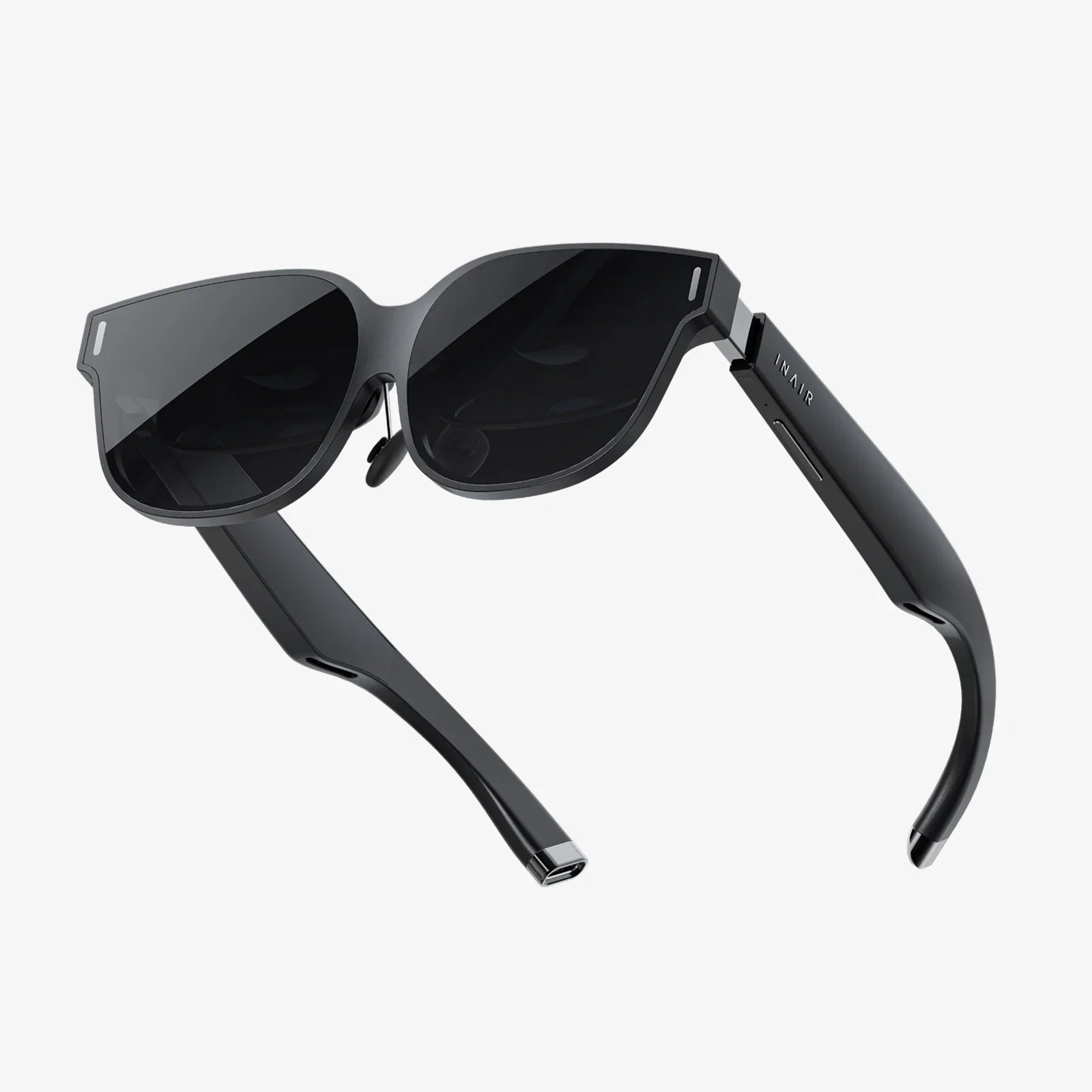
At its most fundamental level, the meaning of VR goggles—also known as VR headsets or Head-Mounted Displays (HMDs)—is a wearable device that creates an immersive, simulated environment for the user. Unlike traditional screens that you observe from a distance, VR goggles are worn on the head, positioning high-resolution displays mere centimeters from your eyes. This is the first critical differentiator: they encompass your entire field of view, effectively replacing your physical surroundings with a digital one.
The core components that give VR goggles their meaning include:
The meaning of VR goggles isn't monolithic; it exists on a spectrum defined by their capability and purpose.
The true meaning of VR goggles lies in their sophisticated manipulation of human perception. They are, in essence, a perceptual illusion engine.
The primary goal is to induce a state of "presence"—the undeniable, subconscious feeling of actually being in the virtual environment. This is achieved by meticulously feeding aligned sensory data to your brain. The visual system receives a stereoscopic, high-frame-rate, low-latency view of the world. The auditory system receives spatially accurate sound. The vestibular system (governing balance) and proprioception (sense of body position) are tricked by the visual dominance of the virtual world, even if your physical body is stationary.
When this alignment is perfect, the magic happens. Your brain accepts the virtual world as real. You might feel a genuine sense of vertigo on a virtual ledge or instinctively flinch from a virtual object thrown at you. This neurological hijacking is the core technological achievement and the source of VR's unique power. However, when there's a mismatch—like low frame rates or tracking lag—it can break presence and cause discomfort or motion sickness, a reminder that the illusion is a fragile, hard-won feat of engineering.
While gaming is the most famous application, the meaning of VR goggles extends far beyond entertainment, transforming numerous fields.
VR goggles are becoming the ultimate empathy and learning machines. Imagine:
The meaning here is experiential learning. It transforms abstract concepts into tangible, memorable experiences, dramatically improving retention and understanding.
The therapeutic meaning of VR goggles is profound. They are used for:
Perhaps one of the most futuristic meanings of VR goggles is their potential to evolve the internet from a web of pages to a web of places. "Social VR" platforms allow people to meet, talk, play games, and watch movies together as personalized avatars. The sense of shared space and non-verbal cues (like head and hand movement) creates a connection far deeper than a video call.
For remote work, this translates to virtual offices. Teams from across the globe can collaborate around 3D models, brainstorm on virtual whiteboards, and interact with a sense of physical proximity that Zoom cannot replicate. The goggles become a portal not just to a digital world, but to a shared human experience, potentially mitigating the isolation of remote work and fostering a stronger sense of team cohesion.
For architects, designers, and artists, VR goggles are the ultimate preview tool. Instead of looking at blueprints or 3D models on a screen, they can step inside their designs at a 1:1 scale. They can walk through a building before the foundation is poured, assessing sightlines, lighting, and space. Car designers can sit in the driver's seat of a virtual prototype. This meaning is about erasing the gap between conception and reality, saving immense time and resources while enabling unparalleled creative exploration.
The meaning of VR goggles inevitably pushes us into deeper philosophical territory. They force us to question the nature of reality and experience. If a experience in VR can feel as real and evoke the same emotional and physiological responses as a physical experience, what does that say about reality itself? They challenge our notions of presence and connection—is a conversation with a friend's avatar in a virtual world a "real" connection?
Furthermore, they raise critical questions about agency and ethics. In a fully immersive world, the potential for manipulation is significant. Who controls these realities? What data are they collecting about our reactions and behaviors? The meaning of VR goggles is thus dual-edged: they are tools of incredible empowerment and potential escapism, requiring a thoughtful framework for ethical development and use to ensure they enhance our physical reality rather than help us escape from it entirely.
The journey of VR goggles is far from over. Their meaning is still being written, with future iterations poised to become even more seamless and powerful. We are moving towards:
This evolution points towards a future where VR goggles are not a separate device we put on, but a seamless interface integrated into our daily lives—a constant, invisible layer of digital information and experience overlaid onto our physical world, fundamentally blurring the lines between the digital and the physical.
The humble VR goggles are far more than a passing tech trend; they are a key that unlocks a universe of human potential. They hold the power to educate us with unparalleled depth, to heal our minds and bodies, to connect us across vast distances, and to unleash our creativity. They challenge our perceptions, force ethical considerations, and offer a glimpse into a future where our reality is anything but limited. To understand their true meaning is to understand that we are standing at the threshold of a new dimension of human experience, and all it takes is a single click to step through.