


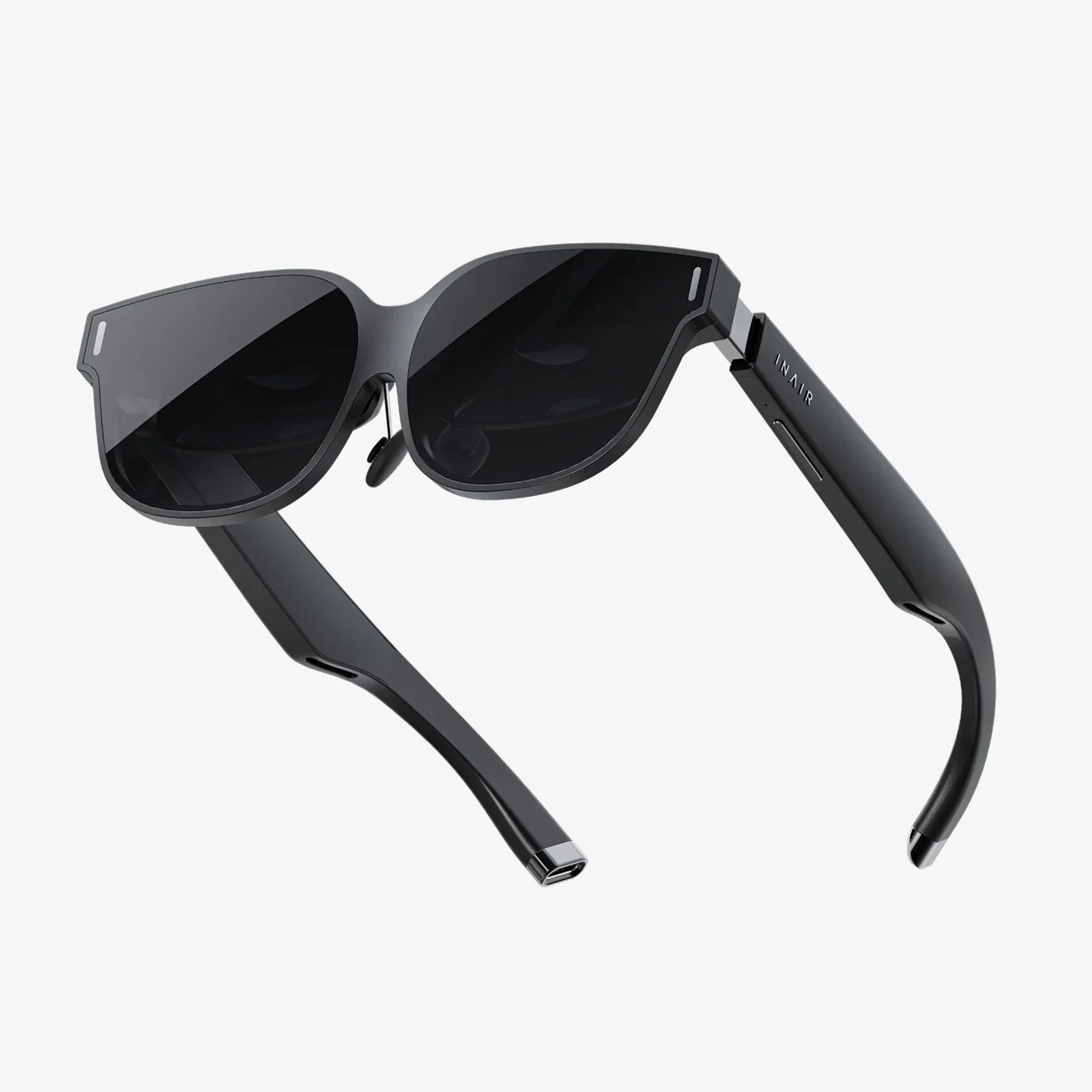
Imagine slipping on a sleek visor and instantly being transported to a front-row concert seat, a distant museum, or a virtual meeting room where colleagues feel palpably present. This is no longer the stuff of science fiction; it's the tangible promise held within the compact, powerful form factor of a modern 7-inch VR headset. This specific screen size represents a fascinating sweet spot in the virtual reality landscape, offering a gateway to unparalleled immersion that is capturing the imagination of tech enthusiasts and everyday users alike. The journey into this digital frontier is more accessible and breathtaking than ever before.
The Significance of Screen Real Estate in Virtual Reality
In the world of virtual reality, the display is not just a component; it is the very window to the experience. A 7-inch screen, when positioned mere centimeters from the user's eyes through sophisticated lenses, becomes an all-encompassing canvas. This size is particularly significant as it provides a vast field of view (FOV), which is critical for achieving a convincing sense of presence—the feeling of truly "being there." A larger screen, like a 7-inch panel, allows for a wider FOV, reducing the "binocular" or "scuba mask" effect that can remind users they are looking at a screen, thereby deepening the immersion.
Furthermore, the quality of this screen is paramount. Most modern headsets utilizing this size employ high-resolution LCD or advanced OLED technology. These panels offer vibrant colors, deep blacks, and crucially, a high pixel density. A high-resolution display on a 7-inch screen is essential for minimizing the "screen door effect," a visual artifact where users can perceive the fine lines between pixels, breaking the illusion of a seamless reality. The combination of size and resolution works in harmony to create a crisp, clear, and believable virtual world.
Beyond the Screen: The Core Technologies at Work
A VR headset is far more than just a screen in a box. The 7-inch display is the star, but it is supported by a cast of critical technologies that bring the experience to life.
Advanced Lens Systems
Between the user's eyes and the 7-inch panel lies a sophisticated lens system. These Fresnel or aspheric lenses are engineered to take the flat image from the screen and warp it to fill the user's entire field of vision. They focus the light and correct for distortions, ensuring a comfortable and coherent visual experience. The precision of these lenses directly impacts visual clarity, edge-to-edge sharpness, and the overall comfort of extended use.
Precise Positional Tracking
For immersion to hold, the virtual world must respond naturally to the user's movements. This is achieved through inside-out or outside-in tracking systems. Cameras and sensors mounted on the headset constantly map the physical environment, tracking the headset's position and orientation in real-time. This allows users to lean in to examine a virtual object, duck behind cover in a game, or walk around a virtual space, with the digital perspective shifting perfectly in sync with their physical motions.
Immersive Spatial Audio
Sound is half the experience. High-quality VR leverages spatial audio, a technology that makes sounds appear to originate from specific points in the 3D space. The rustle of leaves will seem to come from behind you, while a character's voice will feel like it's directly in front of you. This auditory cue is incredibly powerful for selling the illusion of reality and is a standard feature in headsets designed for a 7-inch display.
A Universe of Experiences: What Can You Actually Do?
The hardware exists to serve the software, and the library of experiences available for modern VR is vast and growing exponentially. A 7-inch VR headset acts as a key to unlock these digital doors.
Gaming Reimagined
VR gaming is the most well-known application, and for good reason. It transforms players from spectators into active participants. Instead of pushing buttons to swing a sword, you physically swing your arm. You aim down the sights of a virtual weapon by actually raising it to your eye line. The wide field of view provided by the 7-inch screen is crucial here, offering vital peripheral vision that can mean the difference between victory and defeat in a fast-paced action game. From exploring vast fantasy RPG worlds to experiencing heart-pounding horror, gaming is fundamentally transformed.
Social and Connected Spaces
VR is rapidly evolving into a new platform for social interaction. Platforms exist where users, represented by customizable avatars, can meet, talk, watch movies, play games, and attend events together. The sense of shared presence is profound; you can make eye contact, use hand gestures to communicate, and feel like you are truly in a room with people from across the globe. This application has immense potential for reducing loneliness and creating new forms of community.
Productivity and The Virtual Office
The concept of the "infinite office" is becoming a reality. With a VR headset, you can surround yourself with virtual monitors, web browsers, and applications, all within your field of view. This allows for a focused, distraction-free, and highly customizable work environment. You can have a massive spreadsheet, a video conference call, and a presentation open simultaneously without the physical constraints of desk space or monitor arms.
Travel, Education, and Cultural Exploration
Imagine taking a guided tour of the ancient Roman Colosseum, diving to the wreck of the Titanic, or walking on the surface of Mars. VR makes this possible through immersive educational applications and 360-degree videos. Museums and cultural institutions are creating virtual exhibits, allowing anyone with a headset to explore their collections. This democratizes access to experiences that were once limited by geography, cost, or physical ability.
Design and Comfort: Wearing the Portal
Housing a 7-inch screen and its accompanying technology requires thoughtful industrial design. Ergonomics are paramount. A well-designed headset will distribute weight evenly across the head and face, often using a rigid strap system that takes pressure off the front. Materials are chosen for breathability and comfort during extended sessions. The goal is to make the hardware itself disappear, allowing the user to forget they are wearing technology and focus entirely on the experience within.
The Future is Clear: Where Do We Go From Here?
The trajectory of VR technology is steeply upward. We are moving towards even higher-resolution micro-displays, varifocal lenses that mimic the natural focusing ability of the human eye, and advanced haptic feedback for the face and body to simulate touch and environmental effects like wind. The 7-inch form factor will continue to evolve, becoming lighter, more powerful, and more integrated with the broader ecosystem of computing and the nascent concept of the metaverse—a persistent network of interconnected virtual spaces.
This is merely the beginning of a revolution in how we connect, work, learn, and play. The barrier between the digital and the physical is dissolving, and the 7-inch VR headset is one of the most compelling and accessible portals yet created to step through. The question is no longer if this technology will become mainstream, but how quickly we will adapt to and embrace the incredible possibilities it unlocks for human experience and connection.
Ready to see what everyone's talking about? The door to these limitless worlds is waiting to be opened, and it's closer and more vivid than you might think. Your front-row seat to the next dimension is just a headset away.
Share:
VR Headset Prices UK 2025: A Comprehensive Forecast and Buyer's Guide
How to Set a VR Headset: The Ultimate Step-by-Step Guide for a Flawless Virtual Reality Experience