


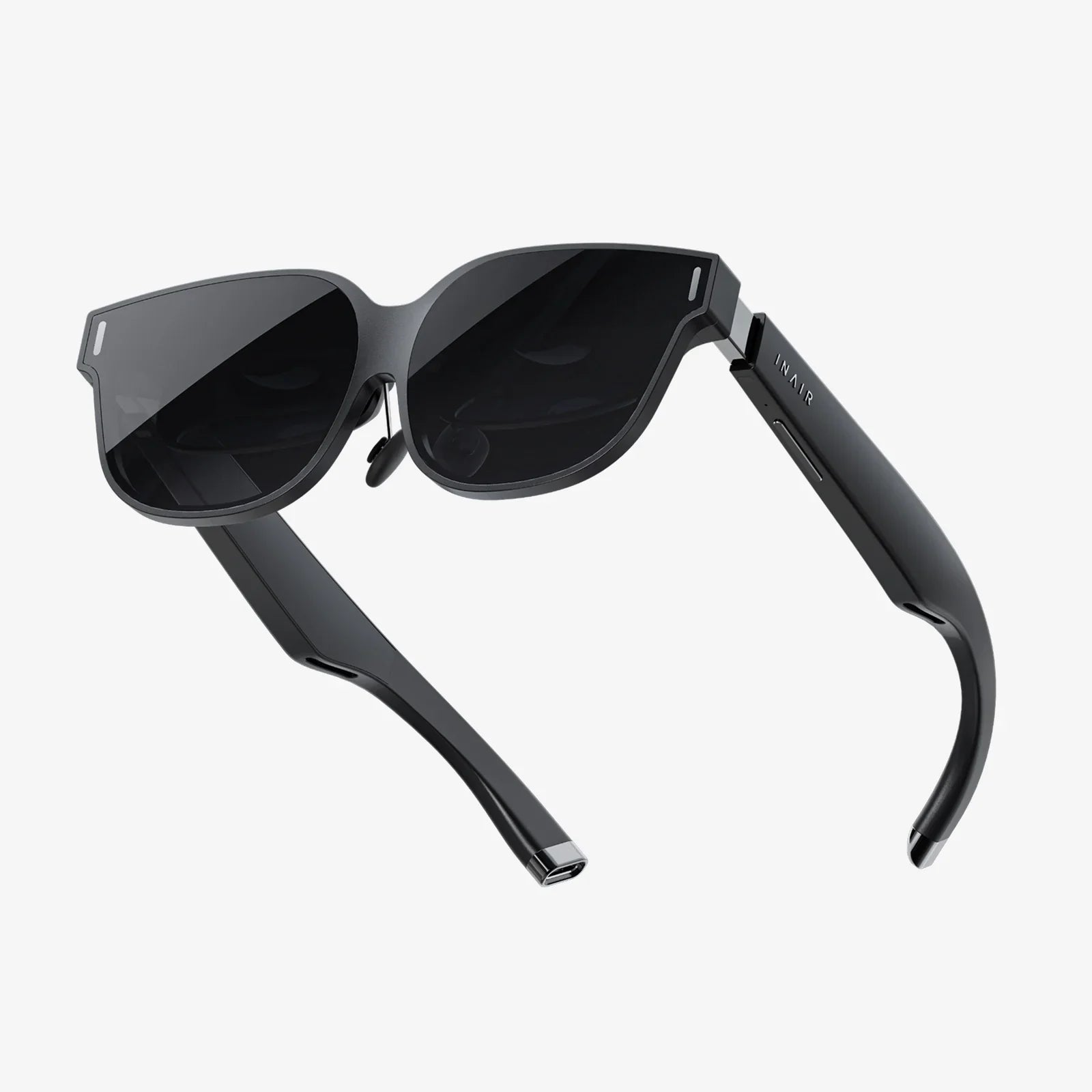
Imagine a device that can transport your child to the depths of the ocean, the surface of Mars, or inside a human cell. Now imagine that same device potentially affecting their developing eyes, brain, and social skills. The world of virtual reality is no longer science fiction; it's a captivating reality in our living rooms, and for parents and educators, navigating its appropriate use is one of the most pressing digital dilemmas of our time. The question isn't just if a child should use a VR headset, but when, how, and for how long. The answers are more complex than a simple number, weaving together threads of developmental psychology, ophthalmology, and digital citizenship.
The Developing Brain in a Virtual World
At the core of the age-appropriateness debate is the understanding of neuroplasticity—the brain's remarkable ability to form new neural connections throughout life, which is most intense during childhood and adolescence. This period of rapid development is both a time of great opportunity and significant vulnerability.
VR offers unparalleled immersive learning experiences. A child can walk with dinosaurs, practice a new language in a virtual marketplace, or understand complex geometrical shapes by manipulating them in 3D space. This experiential learning can forge strong neural pathways, making education engaging and memorable. Proponents argue that when used correctly, VR can enhance spatial awareness, problem-solving skills, and even empathy.
However, this intense immersion also presents challenges. The brain's vestibular system (which governs balance) and proprioceptive system (which understands body position) receive conflicting signals. In the real world, these systems work in concert; when you move your head, your eyes and inner ear agree on the movement. In VR, your eyes perceive motion while your body remains still. For a developing brain that is still calibrating these systems, the long-term effects of this conflict are not yet fully understood. Some researchers theorize that frequent exposure could potentially impact sensory integration, though more longitudinal studies are needed.
Furthermore, the persuasive power of VR is profound. Because the experience feels real, the emotional and psychological impact can be significantly greater than watching a similar event on a flat screen. This is a double-edged sword. A terrifying experience can feel genuinely traumatic, while a positive social story can foster deep empathy. This intensity necessitates careful curation of content and a greater need for parental mediation and discussion.
The Physical Considerations: Eyesight and Coordination
Perhaps the most immediate concern for many parents revolves around eyesight. The common warning on product packaging advising against use for children under a certain age is primarily rooted in this concern, though it is often a legal precaution due to a lack of conclusive research.
The issue stems from the vergence-accommodation conflict. In the real world, our eyes must both converge (turn inward or outward to focus on an object) and accommodate (change the focus of the lens) based on the distance of an object. These two actions are neurologically linked. In most current VR headsets, the screen is fixed a short distance from the eyes, but the software creates a illusion of depth by presenting slightly different images to each eye. This tricks the brain into seeing a 3D world, but the eyes are still physically focused on a fixed-distance screen. The brain must decouple its natural link between vergence and accommodation, which can cause eye strain, headaches, and visual discomfort.
For a young child whose visual system is still developing, the fear is that prolonged exposure to this conflict could potentially contribute to issues like myopia (nearsightedness) or strabismus (misaligned eyes). While definitive long-term studies are ongoing, the precautionary principle prevails among many eye care professionals. The American Academy of Ophthalmology notes that while there is no evidence that VR will permanently damage eyesight, it can cause temporary discomfort. They recommend moderation and breaks.
Beyond vision, physical safety is a paramount concern. Immersed in a virtual world, users are oblivious to their physical surroundings. Tripping over furniture, hitting walls, or swinging controllers unaware of nearby people are real risks. Adult supervision and a clear, safe play area are non-negotiable safeguards for users of any age, but especially for children.
Creating a Framework for Age-Appropriate Use
Given the complex interplay of factors, a rigid age limit is less helpful than a nuanced framework. This framework should consider the child's individual development, the specific technology, the content being consumed, and the context of use.
Early Childhood (Ages 0-6): A Hands-Off Approach
Most experts and manufacturers strongly advise against VR use for children in this age group. The reasons are multifaceted. Their visual system is at its most critical stage of development, making it the most vulnerable to potential, yet unknown, impacts from the vergence-accommodation conflict. Furthermore, their ability to distinguish between virtual experiences and reality is limited. A frightening or overwhelming experience could be deeply confusing and distressing. The physical equipment is also often too heavy for their small heads and necks, and the interpupillary distance (IPD) – the space between the eyes – is not adjustable on most consumer headsets to fit a child's smaller face, which can worsen eye strain. For this age group, real-world play and interaction are far more critical for cognitive, social, and motor skill development.
Middle Childhood (Ages 7-12): Supervised Exploration
This is often considered the gray area where cautious, highly-managed introduction can begin. A child of 10 is vastly different from a child of 7, so decisions must be individualized.
- Short Sessions: Usage should be extremely limited. Think 15-20 minutes at a time, followed by long breaks. This mitigates eye strain and allows the brain to reset.
- Strict Content Control: Content must be carefully vetted by parents for age-appropriateness, length, and intensity. Educational, creative, and passive experiences (like 360-degree videos of nature) are preferable to fast-paced, violent, or chaotic games.
- Constant Supervision: An adult should be present not just to ensure physical safety, but to guide the experience. Talking through what they are seeing before, during, and after helps them process the virtual experience and ground them in reality.
- Listen to the Child: If a child reports any dizziness, nausea, eye discomfort, or anxiety, the session should end immediately. Not all children experience these effects, but it's crucial to heed their feedback.
Adolescence (Ages 13+): Guided Independence
Teenagers are better equipped physically and cognitively to handle VR. Their visual systems are more mature, and they generally have a firmer grasp on the difference between virtual and real. However, guidance is still essential.
- Time Management: While sessions can be longer, they should still be bounded. Encourage breaks every 30 minutes. VR should not consume a disproportionate amount of their free time.
- Content Discussions: Move from strict vetting to active discussion about their experiences. Talk about the social interactions in multiplayer VR spaces, which can be incredibly rich but also expose them to the same risks as other online platforms: cyberbullying, inappropriate content, and contact with strangers.
- Digital Citizenship: Use VR as a tool to teach responsible online behavior. Discuss the ethical implications of actions within a virtual world, emphasizing that avatars represent real people with real feelings.
- Balanced Lifestyle: Ensure VR is one part of a balanced array of activities that includes physical activity, real-world social interaction, and non-digital hobbies.
The Role of Parents and Educators as Digital Guides
Navigating this new digital landscape cannot be passive. Parents and educators must become informed guides. This means:
- Educating Themselves: Trying the headset and experiences themselves to understand the intensity and nature of the content.
- Using Built-in Tools: Leveraging parental controls, privacy settings, and flight-mode options to create safe, curated environments.
- Co-Playing and Co-Learning: Engaging with the technology alongside the child, turning it into a shared family or classroom activity rather than an isolating one.
- Establishing Clear Rules: Creating family media plans that explicitly outline when, where, and for how long VR can be used.
The technology itself is also evolving to address these concerns. Future iterations may feature variable-focus displays (light field technology) that solve the vergence-accommodation conflict, better IPD adjustment for smaller users, and more robust parental control systems integrated directly into the platform's operating system.
The virtual realm holds incredible potential to educate, inspire, and connect the next generation in ways we are only beginning to imagine. But like any powerful tool, it demands respect and responsible use. The answer to the question of age-appropriateness isn't found in a single number on a box; it's an ongoing conversation rooted in a child's individual development, guided by informed adults, and balanced with the irreplaceable value of the real world. By approaching VR not with fear, but with mindful intention, we can harness its power while safeguarding our children's well-being, ensuring they are prepared to thrive in both the world outside their window and the worlds they will one day create.
Share:
Advantages of AR Headset: Transforming Reality for Work and Play
Advantages of AR Headset: Transforming Reality for Work and Play