


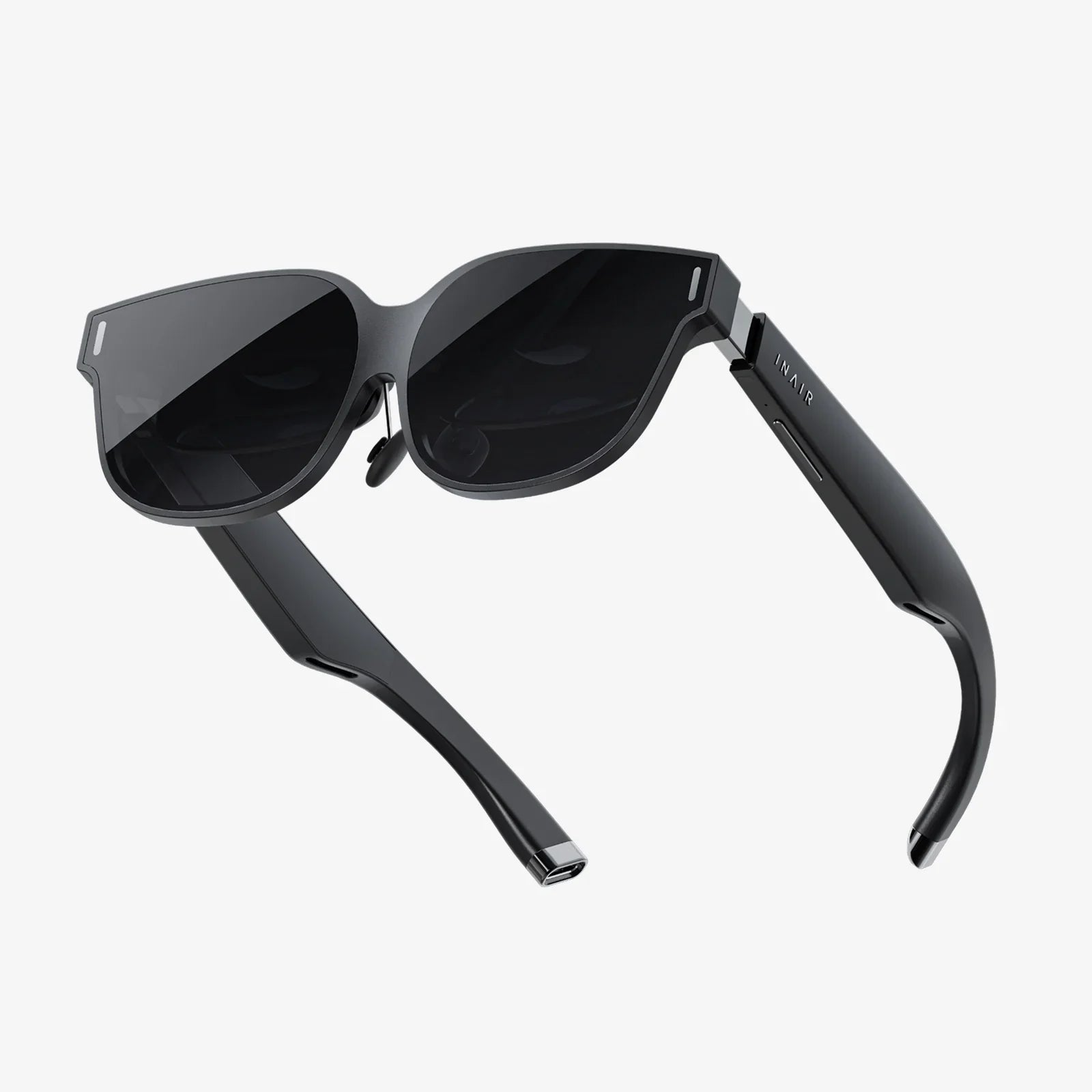
The digital frontier is expanding at a breathtaking pace, and at the very edge of this new reality are the gateways known as VR headsets. For the uninitiated, the world of virtual reality can seem like a bewildering array of plastic, lenses, and cables, a market dominated by confusing jargon and competing technological standards. Yet, understanding the landscape of companies that create these devices is not just about choosing a piece of hardware; it's about selecting your passport to experiences that were, until recently, the stuff of science fiction. This journey beyond the screen is not a solitary one; it is being charted by a diverse and fiercely competitive ecosystem of innovators, each vying to define what it means to be truly present in a digital world.
The Titans of the Industry: Established Powerhouses
The virtual reality market, while still young, has already seen the rise of titanic figures whose influence shapes the entire industry. These are often subsidiaries of massive technology conglomerates, leveraging immense resources, existing software ecosystems, and brand recognition to drive adoption and set de facto standards for what a VR experience should be.
One such behemoth has effectively created and nurtured the modern consumer VR market. Starting with early developer kits and evolving into a robust lineup of untethered and tethered devices, this company's strategy revolves around a closed, yet highly polished, ecosystem. Their approach prioritizes seamless user experience, intuitive controllers, and a vast, curated storefront of games and applications. This walled garden, while sometimes criticized for its lack of openness, guarantees a level of performance and reliability that has become the benchmark for the industry, making VR accessible and compelling for millions of first-time users.
Another major player, a household name in software and gaming, entered the arena with a different philosophy. Leveraging its immense strength in gaming, this company's hardware often positions itself as the high-performance option for enthusiasts and hardcore gamers. The emphasis is on leveraging the raw power of a external processing unit to deliver the most graphically intense and immersive experiences possible. While this requires a tether and a significant investment in additional hardware, the payoff is widely considered the pinnacle of consumer VR visual fidelity and interaction complexity, a must-have for those seeking no compromises.
The Open Challengers: The Android of VR
In direct opposition to the walled-garden approach exists a more open and decentralized philosophy. Spearheaded by a technology giant known for its search engine and mobile operating system, this ecosystem operates on an open-source model, inviting a wide array of hardware partners to create devices that run on a universal VR platform.
This strategy mirrors the successful playbook used in the smartphone industry. By providing the core software and certification standards, this company enables a diverse range of third-party manufacturers to build headsets. This results in a market with tremendous variety: devices focused on ultra-high resolution, others on extreme portability and convenience, and some on specific enterprise applications. For the consumer, this means choice and often more affordable entry points. For developers, it means a larger, though potentially more fragmented, potential audience. This open approach aims to make VR a ubiquitous computing platform, not tied to a single company's hardware cycle.
The Niche Masters: Specialists and Innovators
Beyond the titans and the open-platform advocates lies a vibrant layer of companies that specialize. These innovators often avoid the fiercely competitive consumer gaming space altogether, instead focusing on specific professional or technical applications where VR's value proposition is undeniable and budgets are higher.
Some companies have carved out a dominant niche in the enterprise and professional sector. Their headsets are known for industry-leading resolution, stunning clarity, and advanced features like eye-tracking and facial expression capture. These devices are not toys; they are professional tools used for intricate 3D design, architectural visualization, medical training, and sophisticated simulation. The price point reflects this, positioning them as investments for businesses rather than consumer entertainment products. Their success demonstrates that VR's potential extends far beyond gaming into the very heart of industry and research.
Another fascinating niche is occupied by companies focusing on standalone mobile VR. While less powerful than tethered or all-in-one systems, these devices prioritize accessibility and ease of use above all else. By slotting a powerful smartphone into a headset, they offered an early, low-cost gateway into VR for millions. Though the market has evolved towards more integrated all-in-one devices, the legacy of these pioneers in democratizing access to basic VR experiences is significant.
Key Differentiators: How to Tell Them Apart
With so many options from various creators, understanding the key differentiators is crucial. The choice between them often boils down to a user's priorities: convenience, performance, content, or openness.
Tethered vs. Standalone (All-in-One)
This is the most fundamental divide. Tethered headsets act as a display, connecting via a cable to a powerful external computer or games console. This setup provides the highest possible graphical fidelity and processing power, enabling the most complex and immersive worlds. The trade-off is a lack of freedom; users are physically anchored to their machine.
Standalone headsets, as the name implies, have all the necessary computing power built directly into the headset. They are completely wireless, offering unparalleled freedom of movement and ease of setup—put it on, and you're in. The compromise is in processing power; graphics are less detailed than on high-end tethered systems, though the gap is narrowing rapidly with each new generation of mobile processors.
Inside-Out vs. Outside-In Tracking
How a headset understands its position in the real world is critical for immersion. Outside-in tracking uses external sensors or base stations placed around the room to precisely map the headset and controllers' location. This method is renowned for its pinpoint accuracy and is the choice for high-end systems where latency and precision are paramount.
Inside-out tracking embeds the cameras and sensors directly onto the headset itself. It uses these to scan the surrounding environment to track its own movement. This eliminates the need for external hardware, making setup drastically simpler and allowing for portable VR experiences in any compatible space. While early inside-out tracking had some limitations, modern implementations have become exceptionally robust and accurate, making it the standard for most new consumer devices.
The Content Library and Ecosystem
A VR headset is a portal, but it's the content on the other side that gives it value. The available library of games, applications, and experiences is a major factor. Some ecosystems are locked, meaning you can only access software from their proprietary store. This often leads to a highly curated, quality-controlled, but limited selection. Open ecosystems allow access to multiple storefronts, giving users and developers more freedom, but potentially introducing issues of compatibility and quality assurance.
The Future Horizon: Trends Shaping the Next Generation
The landscape of companies making these devices is not static; it is evolving at a breakneck speed, driven by several key technological trends that will define the next generation of hardware.
Meta-Optics and Pancake Lenses: A shift from traditional Fresnel lenses to pancake lenses and eventually meta-optics is making headsets dramatically thinner, lighter, and more comfortable. This is a critical step towards making VR devices resemble everyday eyewear rather than bulky helmets.
Eye-Tracking and Foveated Rendering: This is a game-changer for performance. By tracking where the user is looking, the headset can render the center of the visual field in high detail while reducing the detail in the peripheral vision. This massively reduces the processing power required, allowing for either more complex graphics on existing hardware or similarly complex graphics on smaller, more efficient chipsets.
Mixed Reality (MR) Passthrough: The line between virtual and augmented reality is blurring. High-resolution, full-color video passthrough is becoming standard, allowing users to see their physical environment clearly through the headset. This enables mixed reality experiences where digital objects are convincingly anchored to the real world, opening up vast new possibilities for productivity, design, and social interaction.
Haptics and Full-Body Tracking: Immersion is more than visual. The next wave of innovation involves advanced haptic feedback in controllers and vests, and seamless full-body tracking without external sensors. This will allow users to feel the virtual world and be fully represented within it, deepening the sense of presence.
Choosing Your Portal: A Matter of Philosophy and Purpose
Ultimately, selecting from the array of available headsets is less about technical specifications on a spreadsheet and more about aligning with a company's vision for reality itself. Do you value a perfectly curated, hassle-free experience managed by a single entity, or do you prefer the freedom and choice of an open platform, with its attendant complexities? Is your primary goal cutting-edge gaming, professional design work, or casual social interaction? Are you willing to be tethered to a powerful machine for the best graphics, or is wireless freedom your ultimate priority?
The answers to these questions will point you toward the different camps of manufacturers. There is no single "best" headset, only the best headset for you. This vibrant and competitive market, with its titans, open-source champions, and niche specialists, ensures that innovation continues at a furious pace, driving down costs and improving experiences for everyone.
Remember that the device on your head is merely a window. The true magic lies in the worlds it reveals and the experiences it unlocks—from scaling Everest to designing a skyscraper, from attending a concert on another continent to learning surgery through simulation. The companies building these portals are in a race not just to sell hardware, but to define the very fabric of our digital future. The journey into the virtual frontier is just beginning, and your choice of vessel will determine the adventures you have along the way.
Share:
Best Headphones to Wear with Glasses: A Complete Guide to Comfortable Audio
Augmented Reality Fashion Trends Are Redefining the Retail Experience and Personal Style