


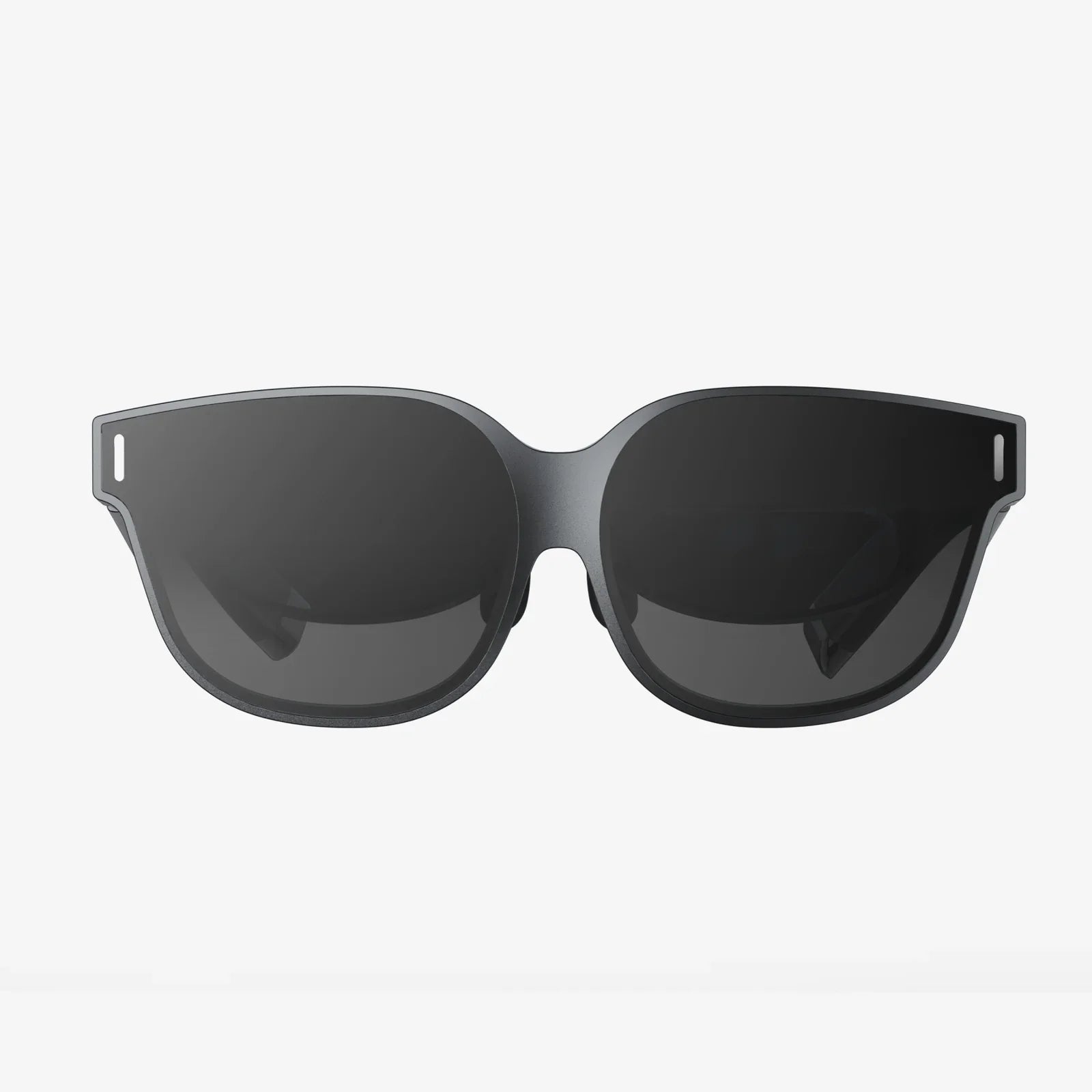
Imagine stepping into breathtaking virtual worlds, exploring distant planets, or mastering new skills, all without emptying your bank account. The dream of affordable virtual reality is more accessible than ever, but the hunt for the true cheapest price requires a savvy approach beyond a simple online search. The landscape of budget VR is a thrilling frontier, filled with incredible potential and a few pitfalls to avoid.
Demystifying the True Cost of VR
When we talk about the 'cheapest price' for a VR headset, it's crucial to understand what that figure truly represents. The sticker price is just the beginning. The real cost of entry into virtual reality encompasses several factors that can significantly alter the value proposition.
First, consider the hardware requirements. Some headsets are standalone devices, containing all the necessary processing power, memory, and batteries within the unit itself. Others are tethered headsets that must be connected to a powerful external computer or gaming console to function. A seemingly low price on a tethered headset can be misleading if you don't already own a rig capable of running it, a setup that can easily cost over a thousand dollars on its own.
Second, the ecosystem cost is a major factor. The initial purchase of the headset grants you access to the platform, but the experiences themselves—the games, applications, and subscriptions—represent an ongoing investment. Some platforms have vast, expensive libraries, while others might offer more affordable or free content.
Finally, one must account for accessories. Longer cables, replacement face foams, additional controllers, rechargeable battery packs, and prescription lens inserts can all add to the total cost of ownership. A headset with a slightly higher initial price might include essential accessories that a cheaper model requires you to purchase separately.
The Different Tiers of Affordable VR
Not all budget VR is created equal. The market has segmented into distinct tiers, each offering a different balance of price, performance, and experience.
Entry-Level Mobile VR (The True Budget Tier)
This category, though less prominent than it once was, represents the absolute lowest cost of entry. These headsets are essentially sophisticated holders for a smartphone, which acts as both the screen and the processor. The price is low because you're largely just buying lenses, a housing, and an input mechanism.
Pros: Extremely low cost, portable, no PC required, great for introductory 360-degree videos and simple games.
Cons: Limited processing power (dependent on your phone), less immersive due to lack of positional tracking, lower graphical fidelity, and a dwindling library of supported new content.
Standalone VR Headsets (The Value King)
This is currently the sweet spot for users seeking the best balance of cost and capability. Standalone headsets have everything built-in—processors, sensors, batteries, and displays. They are wireless, easy to set up, and offer a robust, immersive experience.
While not the absolute cheapest option upfront, they represent tremendous value as they require no other expensive hardware. The library of content for modern standalone systems is vast and continuously growing, encompassing everything from casual experiences to graphically impressive games.
Previous-Generation Tethered Headsets (The Bargain Hunter's Playground)
When a new generation of tethered PC VR headsets is released, the previous generation often sees significant price reductions. For those who already own a capable gaming PC, this can be an avenue to high-end VR experiences at a mid-range price.
These headsets often feature high-resolution displays, advanced tracking, and wide compatibility with major VR platforms. The trade-off is that they are not the latest technology, may lack some newer features, and, of course, require that powerful computer.
Where to Find the Best Deals and Steer Clear of Scams
The quest for the lowest price can lead you into dangerous territory if you're not careful. Here’s where to look and what to avoid.
Official Retailers and First-Party Stores
Your safest bet is always to purchase from official sources. This includes the manufacturer's own website and major, authorized retailers. While the prices here might not always be the absolute lowest, they come with guarantees: full warranties, easy returns, customer support, and the certainty that you are getting a brand new, legitimate product.
These retailers frequently run sales during major shopping holidays like Black Friday, Cyber Monday, and Prime Day. Subscribing to newsletters or following these companies on social media can alert you to upcoming promotions.
The Second-Hand Market
Online marketplaces can be a treasure trove for used VR headsets at heavily discounted prices. Many people buy headsets, use them briefly, and then sell them when the novelty wears off.
If you go this route, extreme caution is advised:
- Inspect Photos Carefully: Look for scratches on the lenses (a deal-breaker), wear on the straps, and overall condition.
- Verify Functionality: Ask the seller if all components (controllers, base stations, cables) are included and working. Request a video of the headset powering on if possible.
- Meet in Person: If feasible, meet in a safe public place to test the headset before buying.
- Beware of Too-Good-to-Be-True Prices: Scammers often list expensive items at low prices to lure in victims. If a deal feels unreal, it probably is.
Red Flags and Scams to Avoid
The pursuit of a cheap VR headset can make you vulnerable. Avoid these common pitfalls:
- Unbranded or Knock-Off Headsets: Extremely cheap headsets from unknown brands on sketchy websites are almost always scams. They may be poorly constructed, non-functional, or simply steal your payment information.
- "Gray Market" Imports: Products intended for sale in another region may not have a valid warranty in your country and could have power adapters that are not compatible with your outlets.
- Phishing Sites: Fake websites模仿 the look of legitimate retailers to trick you into entering your credit card details. Always check the URL for correct spelling and a secure "https" connection.
What You Sacrifice (and What You Keep) at a Lower Price
Compromise is an inherent part of buying budget technology. However, it's not a uniform loss of quality. Understanding the trade-offs helps set realistic expectations.
Common Compromises on Cheaper Headsets:
- Display Resolution and Refresh Rate: Budget headsets may have lower resolution displays, which can result in a more visible "screen door effect" (seeing the lines between pixels). A lower refresh rate can contribute to motion sickness for some users.
- Field of View (FOV): More expensive headsets often offer a wider FOV, increasing immersion. Cheaper models may feel like you're looking through binoculars.
- Build Materials and Comfort: To cut costs, manufacturers might use more plastic and less padding. This can make the headset heavier and less comfortable for extended play sessions.
- Tracking Quality: Inside-out tracking (where cameras on the headset track the controllers) is common now, but its quality and range can vary. Cheaper systems might lose tracking more easily or have less accurate controller representation.
What Often Remains Excellent:
- The Core Experience: The magic of VR—the feeling of presence, the ability to look around a virtual space, and the interactivity—is preserved even on budget hardware.
- Access to Content: A cheaper headset from a major platform will still have access to the same vast library of games and apps as its more expensive sibling.
- Social Features: Multiplayer games, social platforms, and shared experiences are just as accessible, allowing you to connect with friends regardless of their hardware.
Future-Proofing Your Investment
Technology evolves rapidly. While buying the cheapest option saves money today, consider its longevity.
- Platform Support: Is the headset from a company with a clear roadmap for its VR ecosystem? Buying into a platform that is abandoned a year later renders your headset a paperweight.
- Software Updates: Ongoing software support is crucial for security, performance improvements, and new features. Ensure the manufacturer has a history of supporting its devices.
- Controller Compatibility: As new games are developed, they are optimized for the latest controllers. Ensure your headset's inputs won't be obsolete too soon.
Your journey to finding a VR headset at the cheapest price is not just about finding the smallest number on a tag; it's about finding the point where cost and value perfectly intersect. It's about avoiding the heartbreak of a scam and the disappointment of a subpar experience. By understanding the market tiers, knowing where to shop safely, and realistically assessing the trade-offs, you arm yourself with the knowledge to make a brilliant purchase. The gateway to other worlds is waiting, and it doesn't have to cost a fortune to open.
Share:
Best Value VR Headset: The Ultimate Guide to Maximizing Your Immersive Experience Without Breaking the Bank
Extended Reality Companies Are Reshaping Our World Beyond the Hype