


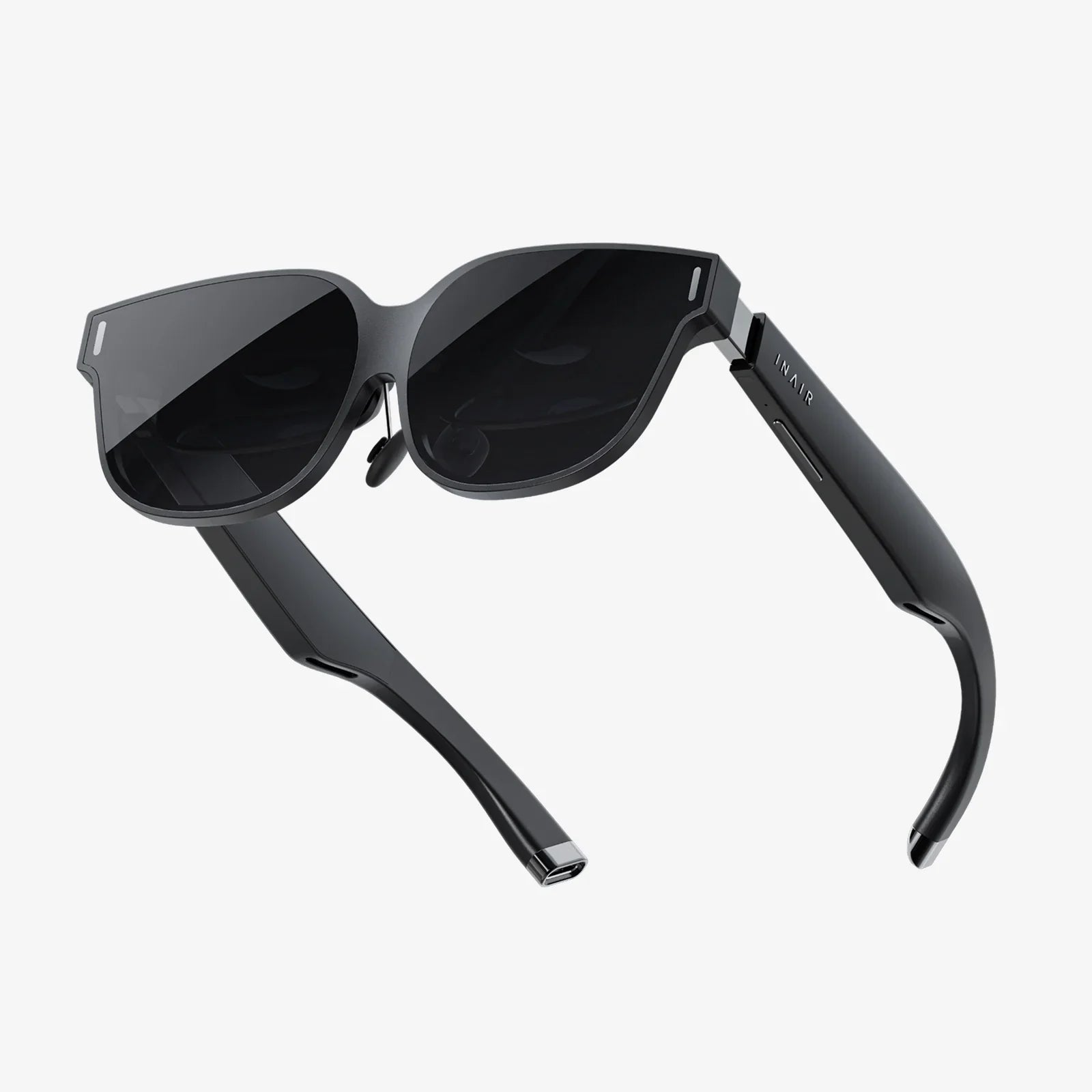
Imagine stepping into a breathtaking virtual world, exploring alien planets, attending a live concert from your couch, or mastering a new skill through immersive training—all without spending a fortune. The dream of affordable virtual reality is no longer a distant fantasy. The quest for the cheapest VR headset is a gateway to this incredible experience, and it's a journey filled with more options and excitement than ever before. For countless curious newcomers and tech enthusiasts on a budget, the landscape of low-cost VR has evolved from a novelty into a legitimate and powerful portal to new dimensions.
Defining the "Cheapest" VR Experience: More Than Just a Price Tag
When we talk about the "cheapest" VR headset, it's crucial to understand that we're navigating a spectrum of experiences. The absolute lowest entry point often involves a simple, plastic viewer that transforms your smartphone into a VR screen. These are typically under $50 and sometimes even under $20. However, the definition of "cheap" can also extend to more capable standalone devices that offer a complete, untethered experience for a fraction of the cost of high-end models. This segment, often priced between $200 and $300, represents the best value proposition for those seeking quality without a premium price. Understanding your budget and desired experience is the first step in this adventure.
The Budget VR Spectrum: From Smartphone Viewers to Standalone Devices
The market for affordable VR is broadly divided into three categories, each with its own pros, cons, and price points.
1. Smartphone-Powered VR Headsets (The Entry-Level Kings)
These are the undisputed champions of the cheapest VR headset category. They are essentially sophisticated holders for your phone, using its screen, processor, and sensors to create the VR effect. Lenses inside the headset split the phone's display into two images (one for each eye) and use gyroscopes and accelerometers to track your head movements.
Pros:
- Extremely Low Cost: This is the most significant advantage. You can find basic models for a very small investment.
- Accessibility: If you already own a modern smartphone, you have most of the required hardware.
- Huge Content Library: Platforms like YouTube VR and countless mobile VR apps offer a vast array of 360-degree videos and simple games.
- No Wires or External Setup: It's a completely untethered experience, perfect for casual viewing.
Cons:
- Limited Performance: The experience is entirely dependent on your phone's capabilities. Lower-end phones may struggle with frame rates, causing discomfort.
- Basic Interaction: Most come with a simple button or Bluetooth controller for input, lacking the sophisticated motion controllers of higher-end systems.
- Potential for Discomfort: The weight of the phone on your face and the lack of advanced cooling can lead to a less comfortable experience over longer sessions.
- Phone Drain: VR applications rapidly deplete your phone's battery.
2. PC-Connected Budget Headsets (The Enthusiast's Bargain)
This category consists of older or previous-generation models that require connection to a powerful gaming computer. While their original retail price was high, they can now be found on the secondary market for a fraction of the cost, making them a "cheap" option for those who already own a capable PC.
Pros:
- High-Quality Experience: You get access to rich, graphically intensive PC VR games and simulations.
- Precision Tracking: These systems often feature superior outside-in or inside-out tracking for highly accurate motion controls.
- Established Ecosystem: Access to massive libraries on platforms like SteamVR.
Cons:
- Hidden Costs: The absolute necessity of a high-end gaming PC is a massive additional expense if you don't already own one.
- Cable Tethered: You are physically connected to a computer, limiting movement and immersion.
- Complex Setup: Requires sensor setup, software installation, and driver management.
- Used Market Reliance: You are buying used technology, which may be out of warranty and lack support.
3. Standalone VR Headsets (The Value Champions)
This is the fastest-growing and most compelling category for budget-conscious consumers seeking a quality experience. These all-in-one devices have the screen, processors, battery, and tracking systems built directly into the headset. They represent the best balance of cost, convenience, and capability.
Pros:
- All-in-One Convenience: No phone, no PC, no wires. True freedom of movement.
- Curated Content: Access to dedicated stores with optimized games and applications.
- Advanced Features: Most include advanced inside-out tracking and full motion controllers, providing a deeply interactive experience.
- Active Support and Updates: As current-generation products, they receive ongoing software support and new content.
Cons:
- Higher Initial Cost: More expensive than smartphone viewers, though prices have dropped significantly.
- Fixed Hardware: Unlike a PC VR setup, you cannot upgrade the internal processor or graphics card.
- Content Limitations: While growing, the library may not be as vast as the PC VR ecosystem for hardcore gamers.
Key Features to Scrutinize in a Budget VR Headset
Even when shopping for the cheapest option, certain features dramatically impact the quality of your experience. Knowing what to look for can help you avoid a disappointing purchase.
Display Resolution and Refresh Rate
The clarity and smoothness of the virtual world are paramount. A higher resolution (often listed as pixels-per-inch or PPI) reduces the "screen door effect" (seeing the gaps between pixels). A refresh rate of at least 72Hz is standard for comfort, but 90Hz or higher is ideal to prevent motion sickness. Cheaper smartphone viewers are entirely dependent on your phone's screen quality.
Tracking: Degrees of Freedom (DoF)
This is a critical differentiator. 3DoF (Three Degrees of Freedom) headsets, common in smartphone VR, only track rotational movement: you can look up, down, left, and right. 6DoF (Six Degrees of Freedom) tracking, found in standalone and PC headsets, tracks both rotation and positional movement. This means you can lean side-to-side, duck, walk around, and physically dodge virtual objects. 6DoF is essential for a truly immersive and interactive experience.
Controllers
Does the headset come with controllers? Basic 3DoF systems might have a simple remote or no controller at all. True 6DoF systems come with paired motion controllers that are tracked in space, allowing you to use your virtual hands. The quality of these controllers is a huge factor in gameplay.
Comfort and Adjustability
A cheap headset that is painful to wear is a waste of money. Look for adjustable head straps (a rigid halo-style strap is often better than simple elastic), interchangeable facial interfaces, and a balanced weight distribution. Good ventilation is also key to preventing lens fogging.
Content Ecosystem and Storage
For standalone headsets, check the available storage space (64GB vs. 128GB+). Also, research the associated app store. Is it active? Does it have the games and apps you want? A cheap headset with no content is a paperweight.
Navigating the Pitfalls: What to Avoid
The pursuit of the lowest price can lead to some regrettable decisions. Be wary of:
- Extremely obscure brands: Stick to recognizable names, even in the budget space. An unknown brand likely has no software support, terrible comfort, and poor-quality lenses that could strain your eyes.
- All-plastic, non-adjustable viewers: These are often giveaway items at conferences for a reason. They are uncomfortable and offer a poor experience.
- Missing key features: If a deal seems too good to be true, confirm it includes essential items like controllers, cables, or necessary base stations for tracking.
- Ignoring system requirements: For PC VR headsets, ensure your computer meets the exact minimum specifications. For smartphone VR, check your phone's compatibility.
The True Cost of "Free": Understanding the Compromises
Choosing the absolute cheapest path means accepting certain compromises. With a smartphone viewer, you are trading performance and immersion for ultimate affordability. The experience is passive—great for watching 360 videos but limited for gaming. You are also subject to the "junk app" phenomenon, where low-quality content fills the market. A standalone headset requires a larger upfront investment but delivers a complete, active, and future-proofed experience that represents far greater value per dollar spent. It's the difference between renting a tiny apartment and making a down payment on a house; one is cheap now, the other is an investment in your future enjoyment.
The Future of Affordable VR
The trend is overwhelmingly positive for budget-conscious consumers. Competition is fierce, driving prices down while pushing features and quality up. We are seeing advanced features like pancake lenses for slimmer designs and better graphics trickle down from premium models. The used market for previous-generation standalone headsets is also becoming a fantastic resource for finding incredible value. The barrier to entry for high-quality VR is lower than it has ever been and will continue to fall.
Your journey into virtual reality doesn't require a king's ransom. Whether you dip your toes with a simple smartphone holder or take the plunge with a capable standalone system, the world of affordable VR is rich, diverse, and more accessible than ever. By understanding the landscape, prioritizing the features that matter most to you, and wisely navigating your options, you can find the perfect cheapest VR headset to unlock countless new realities and embark on adventures limited only by your imagination. The gateway to other worlds is open, and the ticket is surprisingly within reach.
Share:
Extended Reality Applications in Business Are Reshaping the Corporate Landscape
Extended Reality Solutions: The Next Frontier in Human-Computer Interaction