


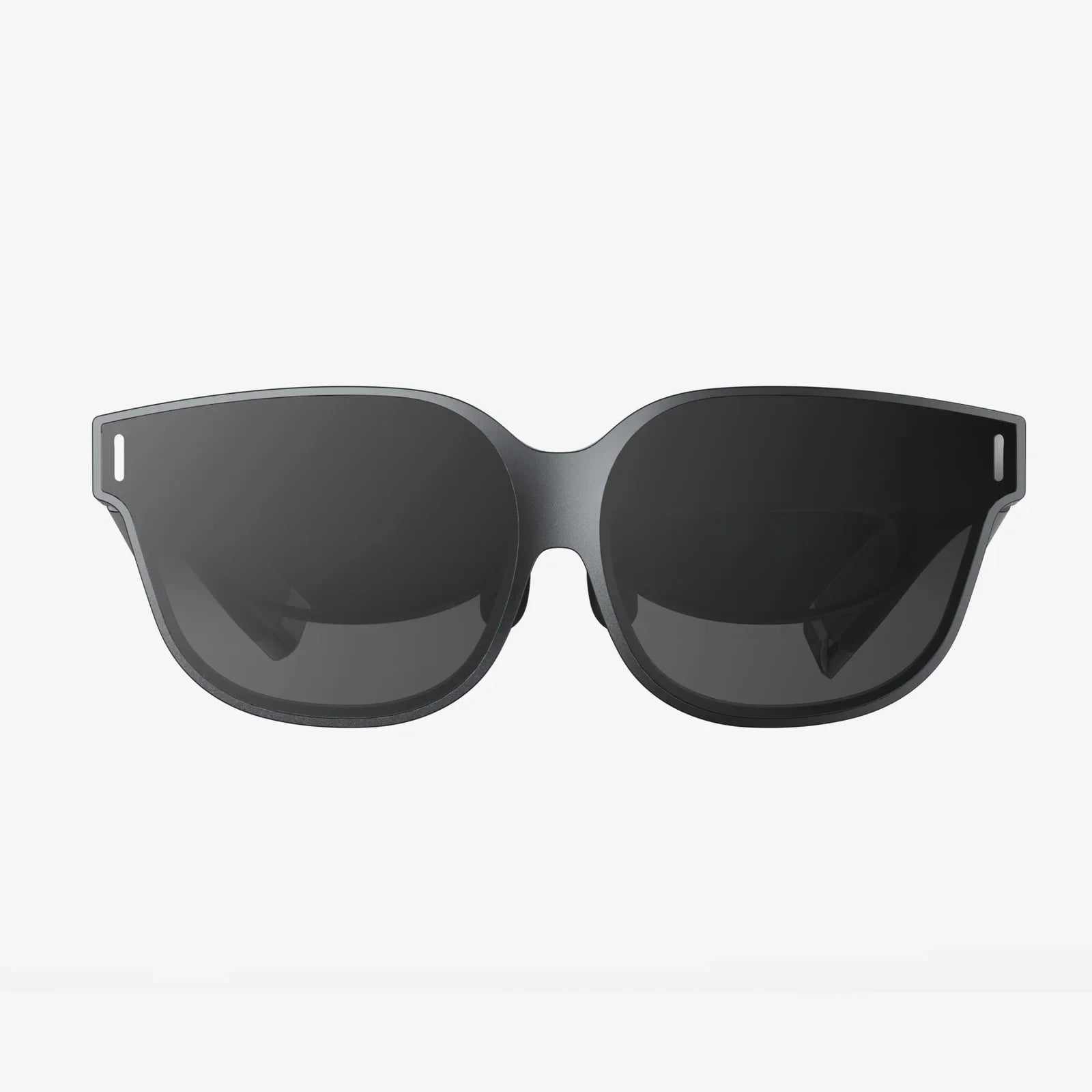
Imagine slipping on a device that transports you to a concert front row, a virtual boardroom, or an alien world, all for a price that doesn’t require a second mortgage. This isn’t a distant sci-fi fantasy; it’s the rapidly approaching reality of 2025. The conversation around immersive technology is shifting from a niche hobby to a mainstream consideration, and the central question on everyone's mind is one of value and accessibility: just what will a VR headset cost in 2025, and what will that investment unlock? The answer is more exciting and complex than a simple price tag, pointing towards a market on the cusp of widespread adoption.
The Driving Forces Behind the 2025 VR Price Landscape
Predicting the cost of technology requires looking beyond simple inflation curves and into the heart of innovation, competition, and manufacturing evolution. Several key factors are converging to shape the VR headset market in 2025.
Technological Maturation and Economies of Scale
The components that power virtual reality—high-resolution displays, sophisticated lenses, precise motion sensors, and powerful processors—are becoming cheaper to produce at higher quality. As the entire tech industry, from smartphones to automotive, drives demand for these components, their cost per unit decreases. Furthermore, headset manufacturers are now designing for mass production from the outset, moving away from the boutique assembly lines of early-generation devices. This significant increase in volume directly translates to lower consumer costs.
The Fierce Battle for Market Dominance
The VR landscape is no longer a quiet playground for a few pioneers. It has erupted into a fierce battleground where tech giants, ambitious startups, and gaming industry titans are vying for the top spot. This intense competition is a massive win for consumers. Companies are being forced to innovate aggressively while also considering aggressive pricing strategies to capture market share. This could manifest in two ways: incredibly competitive pricing on hardware, with the intent to profit from software and services, or a race to pack the most advanced features into a given price point to claim the "best value" crown.
The Shift from Hardware Profits to Ecosystem Value
A critical strategic pivot is influencing VR headset cost in 2025. Many companies are now viewing the physical headset not as the primary profit center but as the gateway—the essential hardware that unlocks a user's entry into a lucrative ecosystem. The real, recurring revenue is generated through software marketplaces, subscription services, productivity apps, social platforms, and in-experience purchases. This philosophy allows manufacturers to sell hardware at or near cost, effectively subsidizing the headset's price to build a larger, captive audience for their digital storefronts and services.
Forecasting the Three Tiers of VR Headset Cost in 2025
The market will likely stratify into three distinct tiers, each catering to different user needs and budgets. Here’s a breakdown of what to expect in each category.
Budget/Entry-Level Tier: The Sub-$300 Gateway
This tier is designed for first-time users, educators with limited budgets, and casual consumers curious about VR. The primary goal here is accessibility and ease of use.
Expected Price Range: $199 - $299
Expected Features:
- Design: Primarily standalone (all-in-one) devices with minimal setup.
- Processing: Competent mobile-grade chipsets capable of running mobile VR games and experiences smoothly but not pushing graphical boundaries.
- Display: Single LCD displays with fast-switch pixels to reduce screen-door effect, offering resolutions around 2K per eye.
- Tracking: Inside-out tracking using a few embedded cameras for controller and basic environment awareness. Limited passthrough functionality.
- Target Audience: Mobile gamers, families, students, and VR newcomers.
These devices will be the impulse buys of the VR world, making digital playgrounds and social spaces available to a massive new audience.
Mid-Range/Mainstream Tier: The Powerhouse Value Proposition
This is expected to be the most competitive and popular segment in 2025, offering a sweet spot of high-end features without a premium price. It will cater to enthusiasts and professionals seeking a robust experience.
Expected Price Range: $400 - $600
Expected Features:
- Design: Versatile standalone devices that can also connect to a powerful computing source (a PC or console) for enhanced performance.
- Processing: Next-generation mobile processors with dedicated AI cores for better performance and efficiency, enabling more complex simulations and longer battery life.
- Display: Higher-resolution Fast-Switch LCD or even entry-level Micro-OLED displays, offering 3K-4K per eye resolution with excellent color gamut and contrast.
- Tracking: Advanced inside-out tracking with more cameras for highly accurate controller movement, full body tracking (via software algorithms), and full-color, high-fidelity mixed reality passthrough.
- Target Audience: Dedicated gamers, fitness users, design professionals, and remote collaborators.
This tier will represent the definitive VR experience for millions, capable of handling everything from AAA gaming to serious productivity work.
Premium/Enthusiast Tier: The Cutting-Edge Experience
For those who demand the absolute best, regardless of cost, the premium tier will showcase the technological zenith of what’s possible in 2025. Price will be a secondary concern to performance and innovation.
Expected Price Range: $800 - $1,500+
Expected Features:
- Design: Focus on extreme comfort for long sessions, using lightweight yet premium materials. May include modular designs for adding or upgrading components.
- Processing: Top-tier mobile chipsets and/or specialized co-processors for handling eye-tracking, foveated rendering, and complex environmental understanding.
- Display: State-of-the-art Micro-OLED or similar displays offering 4K+ per eye resolution, exceptional pixel density (eliminating the screen-door effect), high dynamic range (HDR), and a wide field of view.
- Tracking: Multi-modal tracking combining ultra-precise inside-out cameras with optional external sensor support for professional-grade full body and object tracking. Photorealistic mixed reality passthrough.
- Advanced Tech: Built-in, high-accuracy eye-tracking and facial expression tracking for unparalleled social presence and foveated rendering for massive performance gains. Variable focus (varifocal) lenses to reduce eye strain.
- Target Audience: Enterprise users, professional developers, hardcore simulation enthusiasts, and well-funded early adopters.
The Hidden Costs: What Lies Beyond the Headset Price
While the headline cost of the headset itself is crucial, the total cost of ownership is an important consideration for any potential buyer in 2025.
Software and Subscription Services
The library of VR games and applications is vast and growing. AAA VR titles often carry a price tag similar to their flat-screen counterparts ($40 - $70). Furthermore, subscription models for VR fitness apps, social worlds, and professional software are becoming increasingly common, adding a recurring cost to the initial hardware investment.
Accessories for Enhanced Functionality
The base headset and controllers are just the beginning. To fully customize the experience, users may invest in:
- Additional controller straps for better security.
- Premium facial interfaces for hygiene and comfort.
- Optional external trackers for full-body avatars.
- Specialized controllers for flight sims, racing wheels, etc.
- Extended battery packs for longer wireless sessions.
The Computing Power Requirement
For users opting for headsets that can connect to a PC, the cost of a capable gaming computer must be factored in. While cloud streaming services may emerge as a viable alternative, a local high-end GPU remains the standard for the best possible graphical fidelity and latency in PCVR.
Beyond Gaming: The Value Proposition of VR in 2025
Assessing the cost of a VR headset in 2025 is about more than just dollars and cents; it’s about evaluating the value it brings. The headset is transforming into a multi-purpose tool.
- The Ultimate Home Theater: A private, massive-screen cinema for streaming services and personal media libraries.
- The Virtual Office: A boundless workspace with multiple virtual monitors, ideal for remote work and collaboration.
- The Fitness Studio: An interactive gym with trainers and classes that make working out engaging and fun.
- The Social Space: A platform for connecting with friends and family through concerts, events, and shared experiences in a way that flat video calls cannot replicate.
- The Creative Canvas: A 3D sculpting and design studio for artists and engineers.
When viewed through this lens, the cost of a mid-range headset becomes comparable to a high-end tablet, a gaming console, or a piece of home fitness equipment—but with the potential to replace or enhance all of them.
Final Thoughts on the 2025 VR Market
The trajectory is clear: VR headset cost in 2025 is poised to plummet while capability soars. The market will mature, offering clear choices for every budget and purpose. The era of experimental, expensive tech is giving way to a new age of accessible, practical, and powerful immersive computing. The question will evolve from "Can I afford it?" to "Which incredible experience will I choose first?" The barrier to entry is crumbling, and the virtual world is waiting to be explored by everyone.
Forget everything you thought you knew about expensive and clunky hardware; the next 18 months will redefine value in the digital realm, making the gateway to other worlds an affordable reality sitting on retail shelves—and the real investment won't be the device on your head, but the time you'll never want to spend anywhere else.
Share:
Where Is Augmented Reality Going? The Next Decade of Digital Integration
Where Is Augmented Reality Going? The Next Decade of Digital Integration