


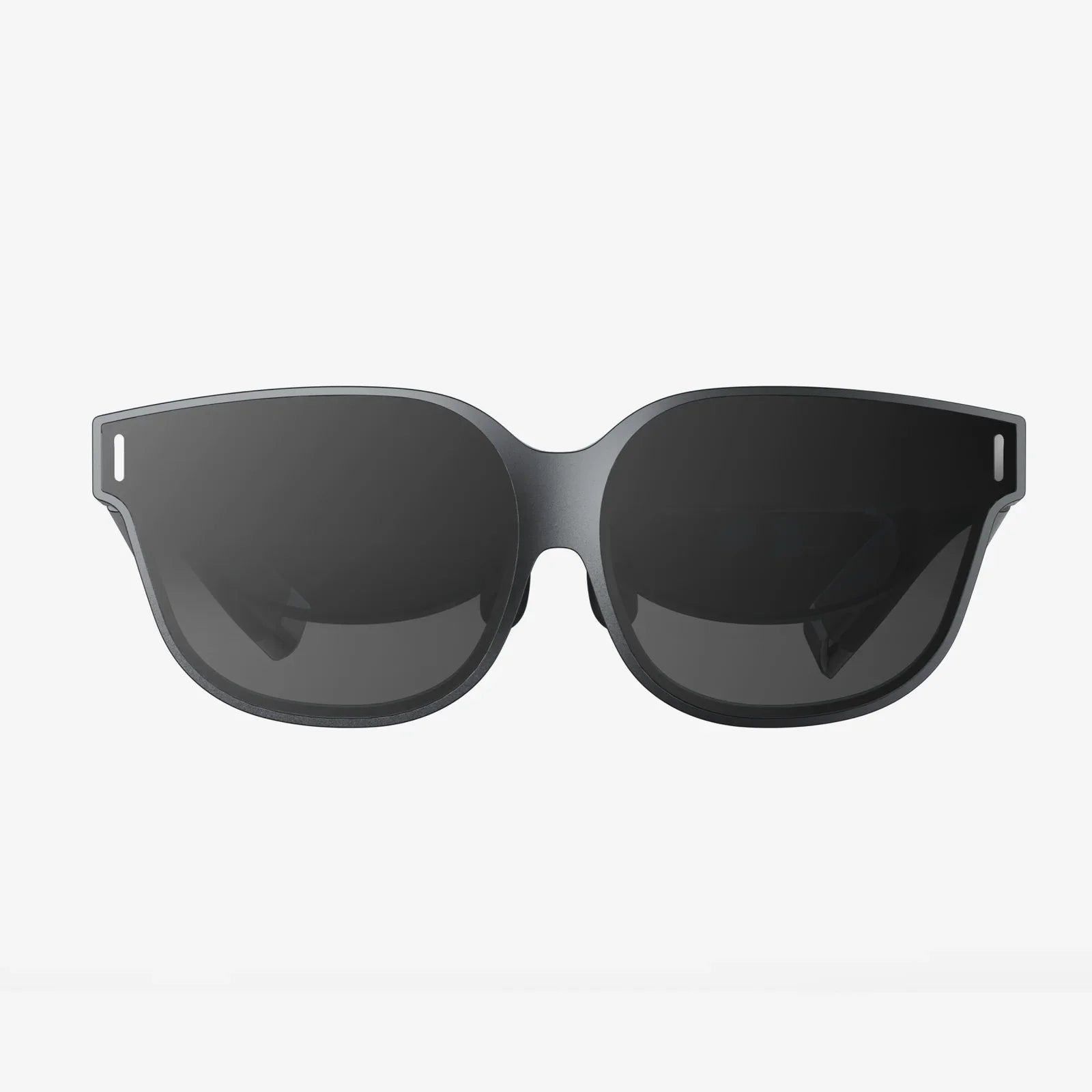
Imagine a workspace that defies the constraints of your physical desk, a digital realm where your applications float around you and your screen real estate is limited only by your imagination. This is no longer the stuff of science fiction. The advent of the dedicated VR headset for computer screen use is fundamentally reshaping our relationship with personal computing, promising a future where our physical monitors are no longer the focal point of our digital lives. This technology is not just about gaming or entertainment; it's a powerful productivity tool, a private theater, and a portal to a new way of interacting with information.
The Evolution of the Digital Workspace: From CRT to VR
For decades, the paradigm of personal computing has been tethered to a simple, physical object: the screen. We progressed from bulky cathode-ray tubes to sleek, high-resolution LCD and OLED panels, but the core concept remained unchanged—a flat, rectangular surface displaying information. We added more of them to our desks in an arms race for productivity, creating a mosaic of glass and light that dominates our workspaces. The VR headset for computer screen use represents the next quantum leap in this evolution. Instead of expanding outwards across a desk, it expands inwards into a virtual, three-dimensional space. This shift from a 2D plane to a 3D environment is as significant as the move from the command line to the graphical user interface, offering a fundamentally new metaphor for digital interaction.
How It Works: Bridging the Virtual and the Physical
At its core, the technology functions by creating a virtual representation of your computer's operating system within the immersive environment of the headset. Specialized software, often provided by the headset's own platform or by third-party developers, acts as a bridge. This software captures your physical computer's display output and projects it virtually. You are not remotely accessing your machine; you are viewing a direct, low-latency stream of its visual output. Advanced systems can create multiple virtual monitors, allowing you to have the equivalent of three, four, or even more high-resolution screens active simultaneously, all without a single physical cable beyond the one connecting the headset to your computer. This creates a seamless and expansive workspace that feels both futuristic and intuitively familiar.
Unlocking Unprecedented Productivity
The primary appeal for many users is the monumental boost in productivity. Software developers, for instance, can have their code editor on one virtual screen, a live preview on another, documentation on a third, and communication tools on a fourth—all within their immediate field of view, eliminating the need to constantly alt-tab or turn their head. Financial analysts can immerse themselves in vast spreadsheets and live data feeds, creating a command center that would be impossible to replicate with physical hardware. Content creators can place their editing timeline, source footage bins, and effects panels in a spatial layout that mirrors a professional studio control room. The ability to customize the size, curvature, and depth of each virtual screen allows for an ergonomic and focused workflow that reduces cognitive load and context switching.
A New Dimension of Entertainment and Privacy
Beyond the office, the utility of a VR headset for computer screen use shines as a premier entertainment device. It transforms into a personal cinema with a screen that can be scaled to imitate an IMAX theater, all from the comfort of your couch, airplane seat, or bed. The immersive audio and visual isolation create an experience completely free from external distractions and interruptions. Furthermore, it offers an unparalleled level of privacy. The content displayed within the headset is visible only to you, making it an ideal solution for working with sensitive information in public spaces like coffee shops or open-plan offices, or simply for enjoying media without worrying about who might be looking over your shoulder.
Technical Considerations and Requirements
Adopting this technology does come with important technical considerations. The experience is heavily dependent on the performance of your computer. A powerful graphics card is essential for rendering multiple high-resolution virtual screens while maintaining a smooth, high-refresh-rate experience to prevent motion discomfort. The resolution and optical clarity of the headset itself are paramount; a low-resolution display or noticeable "screen-door effect" can make reading text fatiguing over long periods. Modern headsets have made significant strides in this area, with high pixel-per-degree density and advanced lenses that provide a clear, sharp image. Comfort is another critical factor, as the device must be worn for extended periods during work sessions. Factors like weight distribution, facial interface material, and overall ergonomics are crucial for a sustainable experience.
Addressing the Challenges: Comfort, Accessibility, and the Human Factor
Despite the exciting potential, the technology is not without its current limitations. VR-induced eyestrain and motion sickness, though significantly reduced in newer generations of hardware, can still affect some users, especially during initial use. The physical isolation that provides privacy can also be a social barrier, cutting the user off from their immediate environment. Furthermore, the traditional keyboard and mouse remain the most efficient input devices for many tasks, and operating them while wearing an opaque headset requires either a learning curve or the use of passthrough cameras to see your physical hands and desk. These are active areas of development, with improvements in augmented reality passthrough and advanced inside-out tracking promising to seamlessly blend the physical and virtual worlds.
The Future is Virtual: Where This Technology is Headed
This is merely the beginning. The future trajectory of the VR headset for computer screen use points towards even more profound integration. We are moving towards devices that are lighter, more comfortable, and with visual fidelity that rivals or surpasses high-end physical monitors. The integration of high-resolution color passthrough will allow for mixed reality workspaces where virtual screens are anchored neatly beside your physical keyboard and coffee mug. Advancements in eye-tracking and gesture control will enable intuitive new ways to interact with and manipulate these virtual displays. We are on the cusp of a paradigm where the powerful computer in your desk becomes untethered from its physical displays, instead projecting your entire digital existence into a pair of sleek, wearable glasses.
The humble computer monitor has had a long and impressive reign, but its successor is already here, waiting to be worn. This technology offers a tantalizing preview of a post-screen world, one where our digital domains are as flexible, vast, and personal as our thoughts. The potential to enhance focus, redefine mobility, and reclaim physical space is not just an incremental upgrade—it's the first step into a broader universe of computing, and it’s an experience that has to be seen to be truly believed.
Share:
Does VR Headset Need WiFi? The Essential Connectivity Guide
VR Goggles iPhone X: The Ultimate Guide to Mobile Virtual Reality