


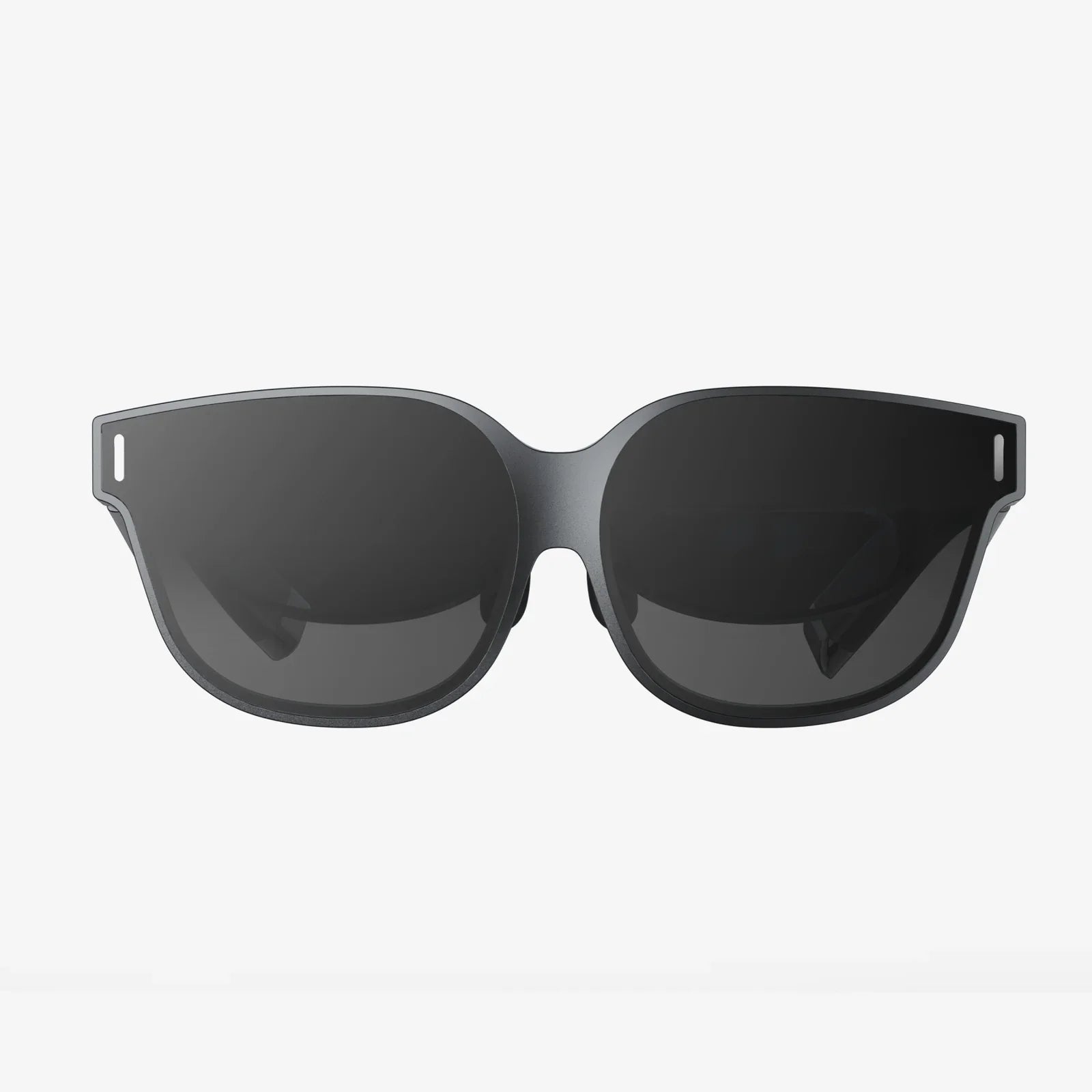
Imagine holding a portal to another dimension in your pocket. It sounds like science fiction, but for owners of the iPhone 10, this power is already at their fingertips, waiting to be unleashed by a simple yet transformative accessory: the VR headset. This isn't just about playing games or watching videos; it's about fundamentally altering your relationship with digital content, turning your powerful smartphone into a window to limitless experiences. The journey into virtual reality is more accessible than ever, and your ticket is waiting. Are you ready to see what your phone can truly do?
The Perfect Synergy: Why Your iPhone 10 is a VR Powerhouse
When the iPhone 10 was released, it was hailed as a landmark in smartphone design and capability. Its advanced components, which may now seem standard, were groundbreaking and, crucially, form the ideal foundation for a high-quality mobile VR experience.
At the heart of this synergy is the stunning 5.8-inch Super Retina HD display. With a high resolution and excellent color accuracy, this OLED screen is the canvas upon which virtual worlds are painted. In a VR headset, the screen is mere centimeters from your eyes, split into two distinct images for each eye to create the stereoscopic 3D effect. The iPhone 10's sharp display minimizes the "screen door effect"—that faint grid of lines users sometimes see—allowing for a more seamless and believable immersion.
Furthermore, the A11 Bionic chip with its neural engine provides the necessary computational muscle. VR applications are incredibly demanding, requiring the device to render two high-frame-rate perspectives simultaneously. The A11 Bionic handles this task with remarkable efficiency, ensuring smooth, fluid visuals that are critical for maintaining immersion and preventing the motion sickness that can occur with laggy or jittery performance.
This combination of a top-tier display and a robust processor means that investing in a VR headset for your iPhone 10 is not about settling for a subpar experience. Instead, it's about leveraging the high-end hardware you already own to its fullest potential, accessing a tier of mobile VR that cheaper smartphones simply cannot provide.
More Than Just a Holder: Anatomy of a Quality VR Headset
Not all VR headsets are created equal. The simplest versions are little more than cardboard cutouts with lenses. However, for a truly engaging and comfortable experience with an iPhone 10, a more sophisticated design is essential. Understanding the key components will help you know what to look for.
The most critical elements are the optical lenses. High-quality, precision-ground lenses are responsible for focusing the image from your phone's screen and filling your peripheral vision. They correct for distortion and provide a wide field of view (FOV), which is vital for feeling truly "inside" the virtual environment. Poor lenses can lead to eye strain, blurry edges, and a diminished experience.
Comfort and adjustability are non-negotiable for longer sessions. A good headset will feature adjustable head straps, often with a top strap for better weight distribution. The iPhone 10 is not a light device, and a well-designed headset will balance its weight comfortably on your head, not on the bridge of your nose. Padded foam around the eyes and on the straps further enhances comfort and helps block out ambient light, increasing immersion.
Another key feature to consider is a built-in control mechanism. While many VR experiences can be controlled by a Bluetooth gamepad or even a simple magnetic external button, many higher-end mobile headsets integrate their own control systems. This can range from a simple select button on the side of the headset to more advanced trackpads and even basic head-tracking sensors, providing a more intuitive and integrated way to interact with virtual environments without fumbling for a separate device.
Finally, consider ventilation and access. Your phone will be working hard, and it may generate heat. Some headsets include clever designs that allow for airflow to prevent overheating. Easy access to the phone's ports is also beneficial, allowing you to keep it charged during use or connect headphones for a superior audio experience.
A Universe of Experiences: What Can You Actually Do?
The hardware is merely the key; the software is the vast universe it unlocks. The App Store hosts a rich and diverse ecosystem of VR content specifically designed for mobile headsets, catering to a wide array of interests.
Gaming and Interactive Adventures
This is often the first stop for new VR users. Mobile VR gaming has evolved far beyond simple tech demos. You can find yourself:
- Piloting a mech in a frantic battle for survival.
- Solving intricate puzzle rooms that surround you in 360 degrees.
- Experiencing heart-pounding horror adventures where the terror lurks all around you.
- Engaging in rhythm games where you slash notes flying at you from the void.
The immersive nature of VR adds a visceral layer to gameplay that a flat screen cannot match. The sense of scale, depth, and presence is unparalleled.
Cinematic Entertainment
Why watch a movie on a rectangle when you can watch it in your own private theater? VR video apps allow you to simulate the experience of sitting in a massive, empty cinema with a screen the size of a wall. Beyond traditional films, VR is the native platform for 360-degree videos and documentaries. You can stand on the surface of Mars, swim with great white sharks, or attend a live concert from the best seat in the house, all from your living room. This format puts you in the director's chair of your own experience, allowing you to look anywhere and discover new details with every viewing.
Education and Exploration
VR has emerged as a powerful educational tool. Imagine touring ancient Roman ruins as they stood millennia ago, holding and examining a human heart in 3D, or traveling through the human bloodstream as a miniature observer. Apps dedicated to history, science, and nature offer immersive learning experiences that are both memorable and engaging, making complex subjects tangible and accessible.
Social and Connectivity
Virtual reality is becoming increasingly social. Platforms exist where you can create an avatar and meet with friends or strangers in virtual spaces. You can watch movies together, play games, attend virtual events, or simply chat as if you were in the same room. This adds a powerful dimension of presence to long-distance communication, making it feel more genuine and connected than a standard video call.
Productivity and Mindfulness
On the quieter end of the spectrum, VR offers incredible apps for meditation and mindfulness. You can transport yourself to a serene beach at sunset, a peaceful forest, or a tranquil mountain top for guided meditation sessions. For productivity, some use VR as a tool for immersive focus, creating vast, virtual workspaces free from the distractions of the physical world.
Setting Sail: Getting Started with Your New Headset
Once you've acquired your headset, beginning your VR journey is straightforward.
- Find the Right Apps: Browse the App Store for "VR" or "Virtual Reality" apps. Many are free or offer free experiences to try. Look for those specifically optimized for the iPhone 10's capabilities.
- Prepare Your Phone: Ensure your phone is fully charged or plugged in. Close any unnecessary background apps to free up processing power for the best performance.
- Secure the Handset: Carefully place your iPhone 10 into the headset's tray or holder, ensuring it is centered and secure. Connect any required cables for external controls if needed.
- Adjust the Lenses: Most headsets have a dial or slider to adjust the distance between the lenses (interpupillary distance or IPD). Adjust this until the image is clear and sharp for both eyes.
- Start with Short Sessions: If you're new to VR, begin with experiences that have minimal movement to acclimatize yourself. Take breaks every 15-20 minutes.
Navigating the Limitations: A Balanced Perspective
While the experience is impressive, it's important to understand that mobile VR, even with a phone as capable as the iPhone 10, has its boundaries when compared to dedicated, high-end PC-powered VR systems.
The primary limitation is positional tracking. Most standalone mobile headsets offer rotational tracking (they know when you turn your head), but they lack the external sensors or advanced inside-out cameras to track your physical movement forward, backward, or side-to-side within a space. This means you often navigate virtual worlds with a controller rather than by physically walking around. This is the key difference between three degrees of freedom (3DoF) and six degrees of freedom (6DoF) systems.
Furthermore, the graphical fidelity, while good, will not match that of a desktop computer rendering VR with a powerful dedicated graphics card. The experiences are crafted to be efficient and impressive within the mobile hardware constraints.
Finally, battery life is a consideration. Running the display and processor at full tilt consumes power rapidly. For extended sessions, keeping the phone plugged into a power source is highly recommended.
These are not deal-breakers but rather the natural parameters of the technology. Within them exists a world of incredible, accessible, and often breathtaking experiences that millions enjoy.
The Future is in Your Headset
The landscape of mobile VR is constantly evolving. As smartphone technology advances, so too does the potential for richer and more complex virtual experiences. The iPhone 10 sits at a sweet spot: a device with more than enough power to deliver premium mobile VR, owned by a massive user base, making it a primary target for developers creating new and innovative content. This ensures that the library of available apps will continue to grow and improve.
We are moving towards a future where the line between the physical and digital worlds becomes increasingly blurred. Concepts like the metaverse—persistent virtual shared spaces—are being built today, and mobile VR headsets are a primary gateway for millions to step inside. Your iPhone 10 is not just a communication device; it's a seed for these future realities.
That sleek piece of glass and metal in your pocket or bag is dormant, its most awe-inspiring capability hidden behind a flat pane of glass. It yearns to show you more, to transport you, to make you the protagonist of the story instead of just a viewer. A VR headset is the catalyst for this transformation, a modest investment that pays dividends in wonder, excitement, and perspective. The content is curated, the technology is proven, and the community is growing. The only thing standing between your current reality and an infinite array of others is a simple decision to look through a new lens. Your iPhone 10 is ready. The question is, are you?
Share:
VR Headset vs 4K Monitor: The Ultimate Showdown for Your Digital Eyes
Google VR Headset for iPhone: A Comprehensive Guide to Mobile Virtual Reality