


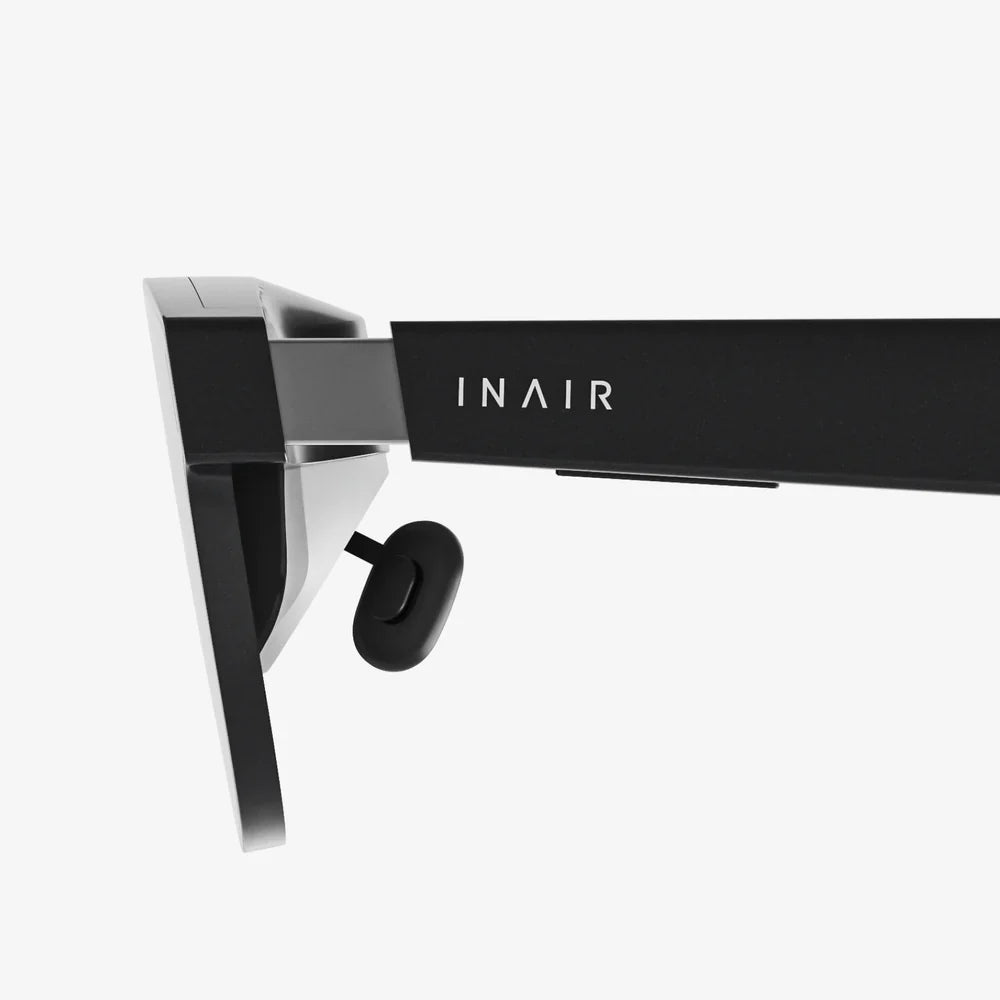
Imagine holding a portal to another dimension in your pocket. With the powerful computer you already own—your iPhone—and the right accessory, you can step into breathtaking virtual worlds, experience heart-pounding adventures, and learn in ways previously confined to science fiction. The gateway to this revolution is more accessible than ever: a VR headset for iPhone. This isn't about distant, expensive technology; it's about unlocking the immense potential of your existing device to explore the vast and expanding universe of mobile virtual reality. Ready to see what your phone is truly capable of?
The Magic of Mobile VR: How It All Works
At its core, a mobile VR headset is an elegantly simple concept. It's a sophisticated housing that uses your iPhone's high-resolution display as its visual engine, its internal gyroscopes and sensors for tracking your head movements, and its powerful processor to render immersive environments in real-time. The headset itself is primarily composed of three key components: the head-mounted shell, a set of high-quality lenses, and a comfortable head strap system.
The magic happens in the lenses. These are not simple magnifying glasses; they are specially designed to create a wide field of view (FOV). They take the image displayed on your iPhone's screen, which is typically split into two identical panels—one for each eye—and warp it, creating a stereoscopic 3D effect that gives depth and scale to the virtual environment. This optical illusion tricks your brain into perceiving a vast, expansive world instead of a small screen just inches from your face. The precision of these lenses is paramount to the experience, affecting everything from image clarity to comfort during extended use.
Why Choose a Mobile Headset Over a Standalone System?
The VR landscape is broadly divided into two categories: standalone headsets, which have all the necessary computing power built-in, and mobile headsets, which leverage the smartphone you already own. Each has its merits, but the mobile approach offers a uniquely compelling value proposition.
For many, the biggest advantage is cost-effectiveness. Instead of investing in an entirely new, dedicated device, a mobile headset allows you to enter the VR space at a fraction of the price. This dramatically lowers the barrier to entry, making VR accessible to a much wider audience. It's the perfect solution for the curious beginner, the casual user, or anyone who wants to dip their toes into virtual reality without a significant financial commitment.
Furthermore, mobile VR is incredibly convenient and portable. The headset itself is often lightweight and collapsible, making it easy to store in a drawer or toss in a backpack. Your entire VR system is essentially two devices: your iPhone and the headset. There are no external sensors to set up, no powerful gaming PC required, and no tangled cables to trip over. This plug-and-play simplicity means you can enjoy a VR experience anywhere—in your living room, a hotel room, or even at a friend's house—with minimal setup time.
A Universe of Experiences at Your Fingertips
The true value of any platform lies in its content, and the ecosystem built around mobile VR is both diverse and rich. The official app store is your primary destination, hosting thousands of applications specifically designed for virtual reality. These experiences can be broadly categorized into several genres.
Gaming and Interactive Adventures
This is where VR truly shines. Mobile gaming transcends simple tap-and-swipe mechanics, placing you directly inside the action. You can find yourself:
- Solving intricate puzzles in mysterious escape rooms by physically leaning in to examine objects and manipulating them with a Bluetooth controller.
- Experiencing thrilling on-rails shooters where you physically dodge incoming projectiles and return fire by aiming your head.
- Exploring serene and beautiful worlds in adventure games, simply by looking around and absorbing the atmosphere.
- Engaging in casual, fun experiences like virtual roller coasters, horror experiences, and rhythm games that get your heart pumping.
Cinematic and 360-Degree Media
Your iPhone headset doubles as the most personal cinema imaginable. You can watch traditional movies on a virtual silver screen that feels dozens of feet wide, all from the comfort of your couch. But the real magic is in native VR content. Platforms offer a growing library of 360-degree videos and photos. This allows you to:
- Stand on the edge of a volcano.
- Swim with great white sharks.
- Attend a live concert from the best seat in the house.
- Travel to iconic global landmarks.
This immersive form of storytelling and documentary provides a sense of "being there" that flat video simply cannot match.
Educational and Exploratory Applications
VR has emerged as a powerful tool for learning and exploration. Numerous educational apps leverage immersion to enhance understanding. You can:
- Take a narrated tour through the human bloodstream.
- Explore the solar system with planets whizzing by your head.
- Walk through ancient Roman cities reconstructed in their full glory.
- Practice real-world skills like public speaking by standing in front of a virtual audience.
Key Considerations Before You Dive In
To ensure you have the best possible experience, there are several important factors to weigh when choosing and using a headset.
iPhone Compatibility and Performance
Not all iPhones are created equal in the realm of VR. While many headsets can accommodate a range of models, the experience is heavily dependent on your device's capabilities.
- Processor: Newer models with more powerful chips will render graphics faster, leading to smoother gameplay and reducing the potential for motion sickness.
- Screen Resolution: A higher-resolution screen (e.g., Retina HD, Super Retina XDR) will provide a sharper, clearer image with less visible "screen door effect" (the faint grid lines between pixels).
- Screen Size: Ensure the headset you choose is designed to fit your specific iPhone model to prevent light leakage and ensure proper alignment with the lenses.
- Operating System: Always keep your iOS updated to the latest version to ensure app compatibility and access to the newest features.
Comfort and Design Features
Comfort is king in VR. An uncomfortable headset will pull you out of the experience quickly. Look for:
- Adjustable Head Straps: Padded, over-the-head straps distribute weight more evenly than simple face-mounted designs, making longer sessions more comfortable.
- Ventilation: Good airflow helps prevent the lenses from fogging up and keeps you cool.
- Adjustable Lenses: The ability to adjust the distance between lenses (interpupillary distance) and the focus can dramatically improve visual clarity and comfort, especially for those who wear glasses.
- Materials: Soft, hypoallergenic foam around the eye cup enhances comfort and helps block out ambient light.
Input and Interactivity
While many experiences are controlled simply by gazing or tilting your head, a whole new level of interaction is unlocked with a Bluetooth game controller. Pairing a standard mobile gaming controller with your iPhone allows for traditional input methods in games, making the experience far more intuitive and engaging for complex titles. Some advanced headsets may also include their own basic input methods, like a single button for selection.
Optimizing Your Mobile VR Experience
To get the most out of your journey, follow these essential tips:
- Close Background Apps: Before launching a VR app, close other applications running on your iPhone. This frees up precious RAM and processing power, ensuring peak performance and minimizing lag.
- Enable Do Not Disturb: Nothing shatters immersion faster than a notification popping up in the middle of a virtual world. This simple step is crucial.
- Manage Battery Life: VR is a processor-intensive activity that will drain your battery quickly. Consider playing while plugged into a power source for extended sessions, or ensure you have a high-capacity external battery pack handy.
- Create a Safe Space: Be aware of your physical surroundings. Clear a small area of furniture and obstacles to avoid accidentally bumping into things while immersed.
- Take Regular Breaks: Especially when you're first starting out, limit your sessions to 15-20 minutes. This helps your body acclimatize to VR and prevents eye strain and motion discomfort.
The Future of iPhone-Powered Virtual Reality
The horizon for mobile VR is incredibly bright. As smartphone technology continues its relentless advance, so too will the capabilities of headsets that harness their power. We can anticipate several key developments:
The integration of Augmented Reality (AR) features is a natural progression. Future headsets may use the iPhone's advanced cameras to pass through a view of the real world, allowing digital objects to be overlayed onto your physical environment, blending the virtual and the real seamlessly.
Furthermore, the line between mobile and high-end VR will continue to blur. With the latest iPhones boasting incredible processing power and stunning displays, the graphical fidelity and complexity of mobile VR experiences will approach what was once only possible on dedicated hardware. The advent of cloud gaming and streaming services also holds immense potential, potentially allowing mobile headsets to access even more graphically intense VR content streamed directly from powerful remote servers.
The journey into virtual reality no longer requires a hefty investment or a complex setup. It starts with the device in your hand and a simple, ingenious piece of hardware that unlocks its hidden potential. A VR headset for iPhone is your ticket to explore, play, learn, and wonder. The virtual frontier is waiting, and it's more accessible than you ever thought possible. Your iPhone is ready. Are you?
Share:
VR Headset Compare: The Ultimate Buyer's Guide to Immersive Technology
Headphones Comfortable With Glasses: The Ultimate Guide to Pain-Free Listening