


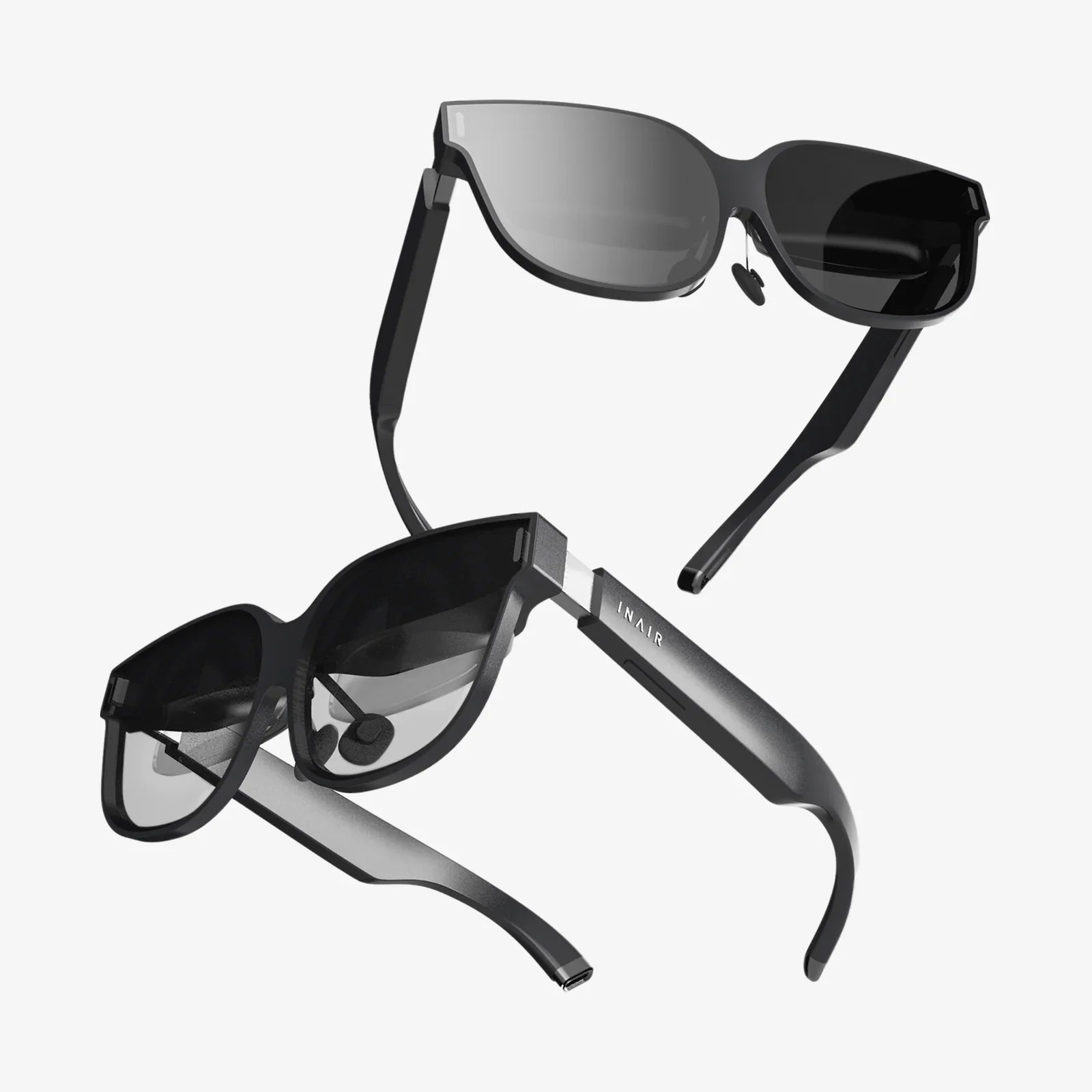
Imagine slipping on a device that doesn’t just display a virtual world but convincingly replaces your reality, a portal to experiences so rich, so detailed, and so responsive that the line between the digital and the physical begins to truly blur. This is no longer the stuff of science fiction; it is the compelling promise of the VR headset for PC in 2025. After years of incremental evolution, we stand on the precipice of a generational leap, where cutting-edge hardware meets sophisticated software to deliver an unprecedented level of immersion. The PC, with its immense processing power, remains the undisputed engine for this revolution, pushing the boundaries of what is possible in virtual spaces and setting the stage for a new era of computing, social interaction, and entertainment.
The Visual Revolution: Beyond 4K and Into the Photorealistic
The most immediate and jaw-dropping advancement in the 2025 class of PC VR headsets is the staggering fidelity of the visual experience. We have decisively moved past the era of the "screen door effect" and low-resolution blur.
Micro-OLED and Mini-LED Panels: The standard display technology has shifted. High-end headsets now universally feature custom-designed Micro-OLED panels, offering per-pixel lighting for perfect blacks, infinite contrast ratios, and incredibly vibrant colors. For those seeking a balance of performance and value, advanced Mini-LED backlit LCDs provide exceptional brightness and high dynamic range (HDR) that makes virtual scenes pop with a lifelike luminosity previously unseen.
Resolution and PPI: Combined resolutions of 4K per eye (3840x3840) or higher are now the benchmark. This results in a pixels-per-inch (PPI) density so high that individual pixels are imperceptible to the human eye, eliminating any visible grid and creating a seamlessly smooth image. Text is razor-sharp, distant objects in virtual environments retain their detail, and the world feels tangibly real.
Wider Field of View (FoV): A major criticism of earlier headsets was the binocular-like, tunnel-vision effect. 2025's designs incorporate advanced, aspherical pancake lenses and innovative optical stacks that push the field of view to 140 degrees or more. This wider FoV dramatically increases the sense of presence and immersion, engaging more of your natural peripheral vision and making the virtual world feel all-encompassing.
The Brain Behind the Beauty: AI, Foveated Rendering, and PC Synergy
These stunning visuals would be impossible without a symbiotic relationship between the headset and a powerful PC. The raw computational might of modern graphics cards is harnessed in new, intelligent ways.
AI-Powered Supersampling and Upscaling: Just as in flat-screen gaming, AI has become integral to VR performance. Dedicated neural processing units (NPUs) inside the headsets work in concert with the PC's GPU. They employ advanced upscaling techniques, reconstructing incredibly detailed images from lower-resolution renders, effectively doubling performance without sacrificing visual quality. This allows for stable, high frame rates essential for comfort and immersion.
Eye-Tracked Foveated Rendering (ETFR): This is arguably the most critical innovation. High-resolution, high-speed infrared eye-tracking cameras precisely map your pupil position hundreds of times per second. The system then renders only the tiny central point of your gaze at full resolution, while gradually reducing the rendering detail in your peripheral vision—where your eyes cannot perceive the difference. This technology can reduce the GPU's rendering load by over 70%, unlocking the performance headroom needed to drive those ultra-high-resolution displays with maxed-out graphical settings. It’s a game-changer that makes photorealistic VR finally feasible.
Inside-Out Tracking Maturity: External base stations are now a niche option for professional users. The standard for consumer headsets is inside-out tracking, with multiple high-fidelity cameras placed around the headset. Computer vision algorithms have become so advanced that tracking is flawless, low-latency, and works in almost any lighting condition. It sets up in seconds and requires no external hardware, making high-end VR more accessible than ever.
Form, Fit, and Feel: The Ergonomic Evolution
Headsets in 2025 are not just powerful; they are designed for all-day comfort. The clunky, front-heavy designs of the past have been replaced by thoughtful, balanced, and lightweight architectures.
Weight Distribution: The battery, a significant source of weight, has often been moved to the back of the headstrap as a counterbalance. This creates a halo-style or rigid strap design that distributes weight evenly across the head, eliminating pressure on the face and making long sessions comfortable.
Materials and Ventilation: The use of advanced polymers, magnesium alloys, and breathable, hypoallergenic facial interfaces is standard. Many headsets also feature active cooling systems with quiet fans that channel air, preventing lens fogging and keeping the user cool during intense gameplay or work sessions.
Modularity and Customization: Recognizing that everyone's head is different, manufacturers offer modular components. Interchangeable facial gaskets of different depths and materials, optional top straps for added stability, and even prescription lens inserts that magnetically clip onto the internal optics ensure a perfect fit for every user.
Intuitive Control: Your Hands as the Interface
The input paradigm has expanded significantly. While premium, ergonomic motion controllers with advanced haptic feedback remain the primary tool for interactive experiences, a new frontier has opened.
High-Fidelity Hand Tracking: The onboard cameras are now powerful enough to support robust, low-latency hand tracking without controllers. You can reach out and manipulate virtual objects with your bare hands, pinching, grabbing, and gesturing with remarkable accuracy. This is transformative for social apps, creative suites, and navigating menus, offering a level of intuitive interaction that feels magical.
The Software Ecosystem: Building the Metaverse and Beyond
Hardware is nothing without software. The ecosystem surrounding PC VR has exploded in sophistication.
AAA VR Titles: Major game studios are now all-in. The performance headroom provided by new headsets and GPUs has led to a wave of full-length, graphically intensive AAA titles built from the ground up for VR, offering dozens of hours of deep, immersive gameplay that rivals traditional flat-screen blockbusters.
The Professional and Creative Sphere: Beyond gaming, VR has become an indispensable tool. Architects walk clients through photorealistic renders of unbuilt homes. Medical students practice complex procedures in risk-free simulations. Digital sculptors and painters use VR as their primary medium, manipulating 3D art with an intuitive, hands-on approach impossible with a mouse and keyboard.
The Social Metaverse: Persistent virtual social platforms have evolved into complex, cross-platform worlds where people work, attend concerts, watch movies, and simply hang out. With avatars that feature expressive eye and lip tracking, conveying emotion and intent feels natural, making digital socialization more meaningful and authentic.
A Glimpse into the Future: What Lies on the Horizon?
The 2025 VR headset for PC is a marvel, but it is also a stepping stone. We can already see the contours of the next revolution. Research into varifocal displays, which dynamically adjust focus to match the depth of the virtual object you're looking at, promises to solve the vergence-accommodation conflict—a key remaining barrier to perfect visual comfort. Haptic suits and gloves are inching toward consumer viability, promising to let you feel the virtual world. Furthermore, the integration of lightweight AI assistants within the headset itself could provide contextual information and controls without ever breaking immersion.
The journey of virtual reality has been a long one, marked by hype, disappointment, and steady progress. But with the 2025 generation of PC VR headsets, the promise is finally being fulfilled. They are no longer niche gadgets for enthusiasts but sophisticated portals to new realities, powered by the awesome capability of the personal computer. This is the moment where VR transitions from a novel experience to an integral part of how we play, work, and connect. The door is open; the only question left is what world you will choose to step into first.
Share:
VR Headset That Connects to PC: Your Ultimate Portal to High-Fidelity Virtual Worlds
VR Headset That Connects to PC: Your Ultimate Portal to High-Fidelity Virtual Worlds