


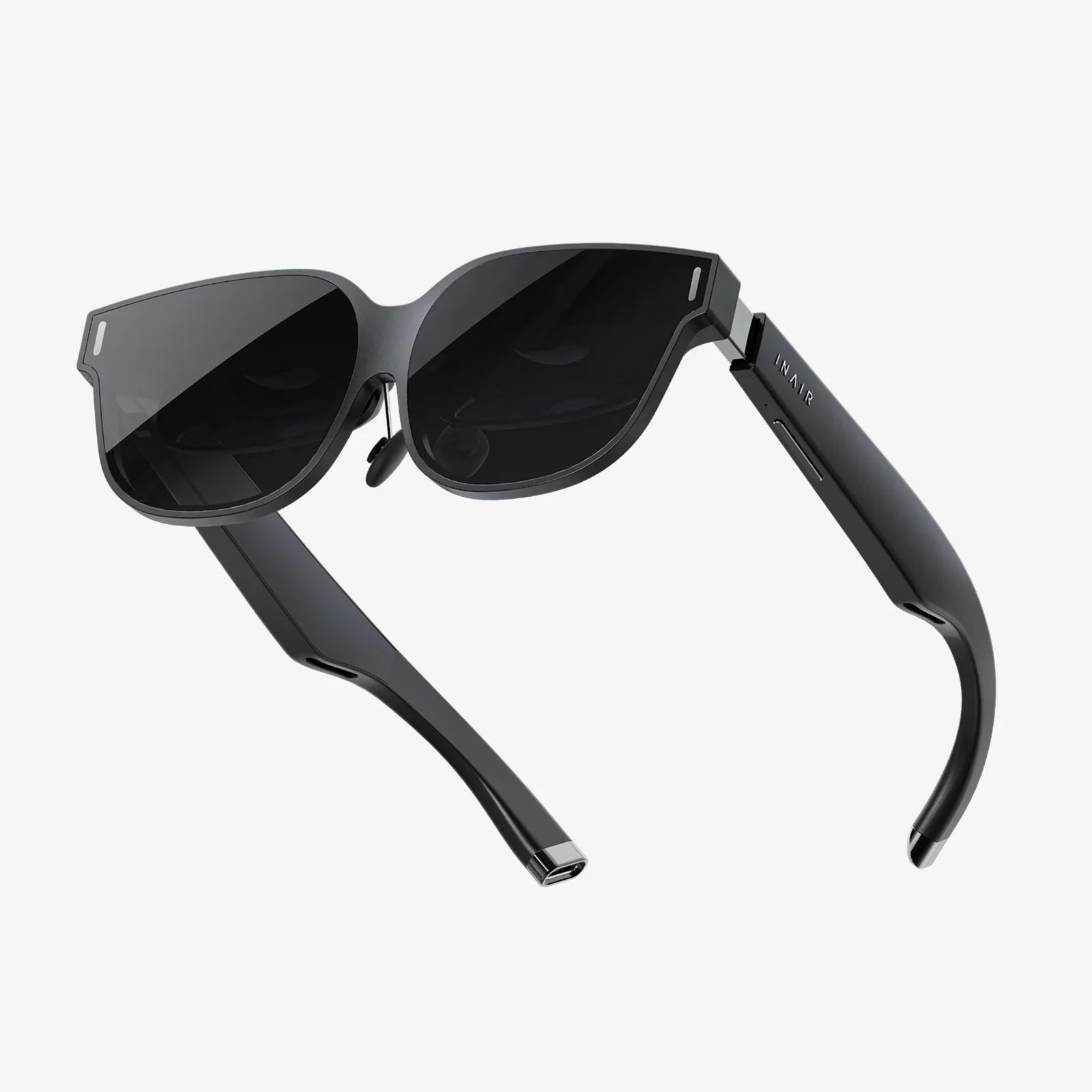
- by wangfred
VR Headset for Work: The Ultimate Guide to the Immersive Office of Tomorrow
- by wangfred
Imagine your office isn't a room with four walls, but an entire universe tailored to your tasks. Your monitor isn't a 27-inch screen; it's a panoramic, IMAX-sized canvas for your ideas. Your colleague isn't a pixelated video on a laptop; they're sitting across from you at a virtual table, pointing to a 3D model you can both walk around. This isn't science fiction; it's the rapidly emerging reality of using a VR headset for work. The convergence of advanced hardware, powerful software, and a global shift in work culture is propelling us toward an era where physical location is irrelevant and immersive focus is the new currency. The future of work isn't just remote; it's virtual, and it's arriving faster than you think.
For decades, the concept of "the office" remained relatively static. We progressed from open-plan floors to cubicle farms and back again, but the fundamental principle was the same: a centralized physical location where people gathered to perform tasks. The advent of the internet began to untether information from the office, and laptops made the work portable. Then, a global event accelerated a shift to remote work, proving that many jobs could be done from anywhere. But this new model revealed its own set of challenges: the isolation of video calls, the constant battle for focus amidst home distractions, and the loss of serendipitous collaboration.
Enter virtual reality. A VR headset for work addresses these modern pain points head-on. It doesn't just replicate the physical office; it reimagines it, offering capabilities that are impossible in the real world. It's the logical next step in the evolution of knowledge work, moving beyond the constraints of geography and physical hardware to create a truly digital-native environment for productivity.
The value proposition of immersive work technology extends far beyond a novel experience. It delivers concrete, measurable advantages that directly impact efficiency, well-being, and outcomes.
One of the most immediate benefits is the elimination of distraction. When you put on a headset, the outside world fades away. There are no phone notifications, no chatter from the next room, no visual clutter pulling at your attention. You are quite literally immersed in your work. This state of "deep work" or flow is incredibly difficult to achieve in a traditional or home office setting. A virtual environment allows you to create a perfect, minimalist workspace—perhaps a quiet beach at sunrise or a soundproofed space station module—that is designed for one purpose only: concentrated productivity.
Multitasking across multiple applications and documents is a cornerstone of modern work, yet we are often hampered by limited screen space. A VR headset solves this problem spectacularly. Instead of Alt-Tabbing between windows or squinting at a laptop screen, you can surround yourself with virtual monitors of any size and quantity. Need to code while referencing documentation, monitoring a live data feed, and keeping an eye on communications? You can array a dozen high-resolution screens around your field of view, making you the master of your digital domain and drastically reducing context-switching time.
Video conferencing tools are functional but deeply limited. They are a poor imitation of being in the same room. VR collaboration, however, is a game-changer. Teams can meet in a virtual boardroom, but the tools at their disposal are magical. Instead of sharing a screen, they can manipulate a full-scale 3D prototype of a new product design. Architects can walk clients through a building before a single brick is laid. Medical professionals can practice complex procedures on detailed anatomical models. The sense of shared presence—of actually being with someone—fosters a level of understanding and creative synergy that flat screens cannot hope to match.
Transitioning to a virtual work environment is not without its challenges. A successful implementation requires careful consideration of several factors.
Not all devices are created equal for prolonged use. For work, comfort over several hours is non-negotiable. Key specifications to prioritize include:
The hardware is just a window; the software is the world inside it. A robust platform for work should offer:
Change management is critical. Companies must address potential concerns like:
The technology is still in its relative infancy, but the trajectory is clear. We are moving towards a future where the line between physical and digital work blurs into what many are calling the "metaverse" for enterprise. Several developments will accelerate this adoption:
Advancements in Augmented Reality (AR): The ultimate endpoint may not be fully virtual but mixed reality. Lightweight AR glasses could eventually overlay digital information onto your physical world, allowing you to place virtual screens on your real desk while still seeing your coffee mug and keyboard, combining the best of both worlds.
Haptic Feedback and Embodied Interaction: The next frontier is touch. Future controllers or gloves will provide tactile feedback, allowing you to feel the texture of a virtual model or the click of a virtual keyboard, deepening the sense of presence and enabling more nuanced interactions.
AI Integration: Artificial intelligence will act as an immersive assistant within these virtual spaces. Imagine an AI that can instantly transcribe meetings, pull up relevant files based on the conversation, or create 3D visualizations of data on the fly, all within your field of view.
The traditional office had its time. The remote work revolution proved that flexibility is paramount. Now, the VR headset for work is emerging as the tool that solves the shortcomings of both, offering a third way: the immersive office. It promises a world not of isolation, but of deeper connection; not of distraction, but of profound focus; not of limitation, but of infinite possibility. The tools are here, the software is maturing, and the workforce is ready. The question is no longer if this future will arrive, but how quickly you will choose to step into it.
The nine-to-five grind is being replaced by the boundless workday, limited only by your imagination and your Wi-Fi signal. Your next project deadline might be met from the surface of Mars, your next brainstorm could happen in a zen garden, and your most important client presentation could be delivered from a virtual mountaintop. The power to design your perfect work environment, to collaborate as if you were face-to-face with anyone on the planet, and to achieve levels of productivity previously unimaginable is now, quite literally, at your fingertips. The headset is on. The future is waiting. Are you ready to log in?
Share:
Side Effects of VR Headset: A Deep Dive Into the Digital Frontier's Physical Toll
How to Use VR Headset with Android: The Ultimate Immersive Guide