


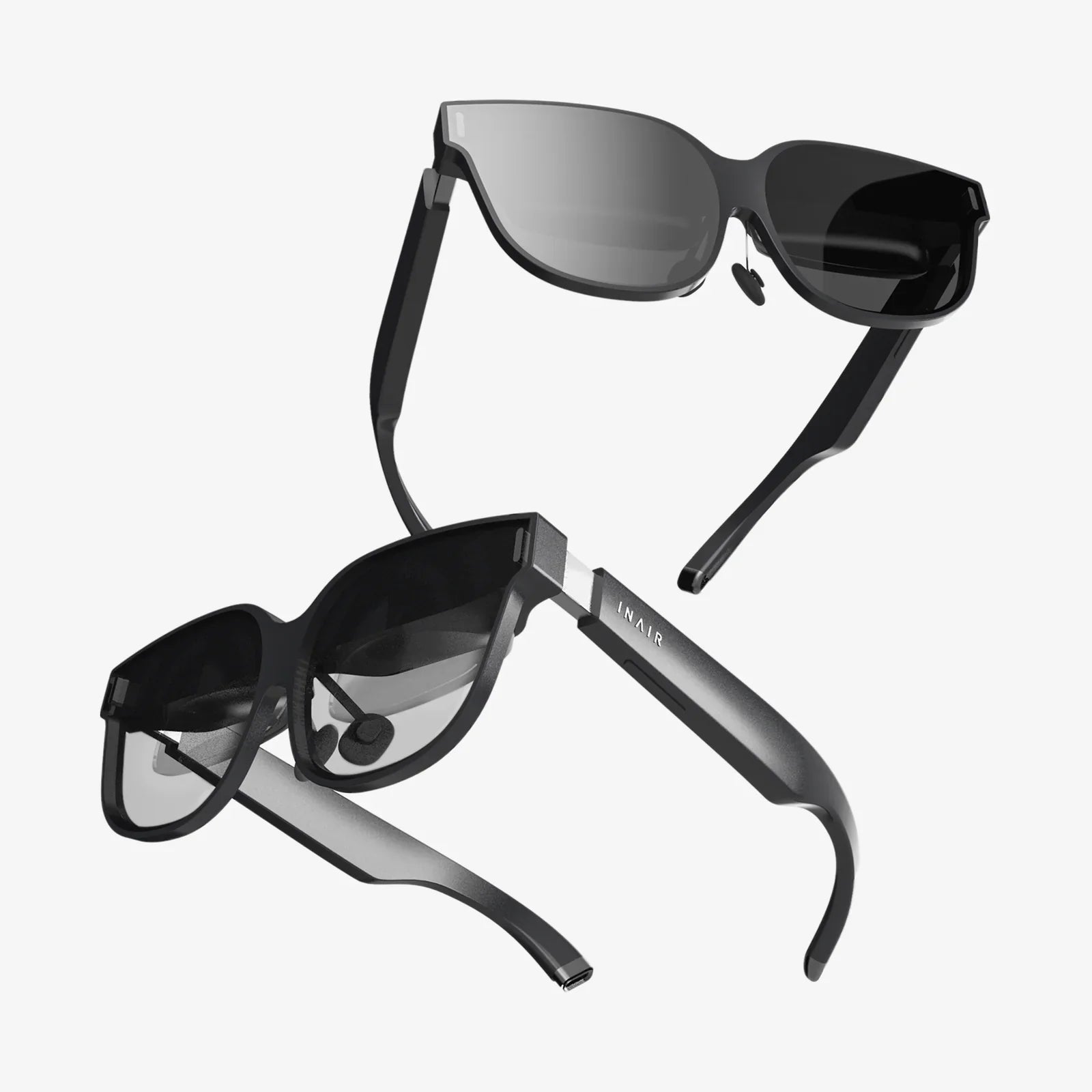
Imagine lacing up your virtual sneakers, stepping into a pulsating digital arena where the beat of the music syncs with your heartbeat, and your workout feels less like a chore and more like the most exhilarating adventure of your day. This is the promise, and increasingly the reality, of using a VR headset for working out. It’s a concept that has shattered the traditional image of fitness, transporting users from monotonous treadmills and dusty dumbbells into dynamic, interactive worlds where exercise is disguised as play. The fusion of immersive virtual reality technology with structured physical activity is not just a niche trend; it's a full-blown fitness revolution, redefining what it means to get in shape from the comfort of your own home.
The Metamorphosis of Home Fitness: From Jane Fonda to Virtual Realms
The journey of home fitness is a story of constant evolution. It began with simple calisthenics and aerobics tapes, grainy videos that promised a beach body in 30 days. Then came the era of sophisticated machinery—stationary bikes that simulated hill climbs and treadmills with built-in TVs. Each iteration aimed to solve the same core problems: boredom, lack of motivation, and the spatial limitations of a home environment. The latest and perhaps most profound leap in this evolution is the integration of virtual reality. A VR headset for working out doesn't just distract you from the effort; it fundamentally changes your perception of the effort itself. By engaging your mind completely, it transforms a solitary activity into a captivating experience, making the concept of "working out" obsolete and replacing it with "playing in."
How It Works: The Science Behind the Sweat
At its core, a workout in virtual reality is a masterclass in full-body engagement. Unlike traditional video games that primarily work your thumbs, VR fitness applications are designed to track your entire body's movement, demanding squats, lunges, ducks, weaves, and strikes.
Inside-Out Tracking and Motion Controllers
Modern VR systems utilize advanced inside-out tracking technology. This means cameras and sensors are built directly into the headset, constantly mapping your play space and monitoring the position of your controllers and, in some cases, your hands. This allows the software to translate your real-world movements into the virtual one with stunning accuracy. When you throw a punch in a boxing game, the system registers the speed, angle, and force. When you slice through blocks with two sabers, it tracks the precise arc of each arm. This precise feedback is crucial for both effective exercise and preventing injury.
Cardiovascular Intensity and Caloric Burn
The primary benefit of these immersive workouts is their incredible efficiency at raising your heart rate. Studies and user data have consistently shown that a vigorous VR workout session can easily reach and sustain heart rates zones comparable to traditional cardio like running, cycling, or high-intensity interval training (HIIT). Users can burn hundreds of calories per hour, all while their focus is locked on achieving a high score or completing a level, not on the clock. The gamification of exercise effectively tricks your body into pushing harder for longer periods.
A Universe of Workouts: Finding Your Virtual Fitness Passion
The true power of this platform lies in its staggering variety. There is a virtual experience for nearly every preference and fitness goal, ensuring you never hit a plateau of boredom.
Rhythm and Dance Games
For those who love to move to music, rhythm games are a perfect entry point. These applications present you with a stream of notes or targets that you must hit in time with the music using your controllers. The movements are often full-body, requiring deep squats, wide reaches, and rapid directional changes. It’s essentially an interactive dance class set to a thumping soundtrack, offering a phenomenal cardio workout that improves coordination and rhythm.
Combat and Boxing Simulations
If you need to punch out the stress of your day, boxing and combat simulators provide an incredibly cathartic and physically demanding outlet. These programs place you in the ring against a series of opponents, requiring you to dodge, block, and throw combinations of punches. It’s a total-body workout that engages your core, shoulders, back, and legs while honing your reflexes and strategic thinking. The satisfaction of landing a perfect hook is matched only by the sweat pouring down your face.
High-Intensity Interval Training (HIIT) and Custom Fitness Apps
Beyond gaming, dedicated fitness applications have emerged that structure workouts like a personal trainer would. These apps guide you through sets of exercises—such as burpees, mountain climbers, and jumping jacks—within engaging virtual environments. They often include coaching tips on form, track your rep counts, and allow you to customize routines to target specific muscle groups or fitness goals, blending the structure of traditional training with the engagement of VR.
Mind-Body Connection: Yoga and Meditation
The application of VR isn't limited to high-octane cardio. It can also be a powerful tool for mindfulness and flexibility. Imagine practicing yoga on a serene beach at sunrise or meditating on a floating island in the clouds. VR can transport you to these calming environments, blocking out external distractions and helping you focus entirely on your breath and form, deepening your mind-body connection.
Tangible Benefits Beyond the Burn: Why VR Fitness Sticks
The advantages of this approach to fitness extend far beyond simple calorie counts.
The Ultimate Motivation: Fun and Gamification
This is the killer feature. VR fitness effectively solves the motivation problem that derails so many workout regimens. By turning exercise into a game, complete with goals, rewards, levels, and progression systems, it taps into our innate desire for achievement and play. You’re no longer working out to lose weight; you’re training to beat your personal best, unlock a new song, or defeat a difficult boss. This psychological shift is powerful and sustainable.
Unmatched Convenience and Accessibility
Your gym is now wherever you have a few square meters of free space. There are no memberships, no commute, no waiting for equipment, and no feeling self-conscious in a crowded room. This removes significant barriers to entry, making consistent exercise more accessible to people with busy schedules, social anxieties, or limited access to traditional gyms.
Full-Body Engagement and Improved Coordination
VR workouts are rarely isolated. They require compound movements that engage multiple muscle groups simultaneously, improving functional strength and kinesthetic awareness. The need to constantly track objects in 3D space, react quickly to visual stimuli, and coordinate your limbs enhances neural pathways, improving your reflexes and coordination in the real world.
Considerations Before You Dive In: Safety and Setup
As with any new technology, there are important factors to consider to ensure a safe and positive experience.
Choosing the Right Hardware and Space
Selecting a device involves considering factors like display clarity, comfort for extended wear, and controller design. Crucially, you must prepare your play area. A clear space, free of furniture, trip hazards, and fragile objects, is non-negotiable. Most systems will allow you to set up a digital boundary that appears in your view if you get too close to a real-world obstacle.
Hygiene and Maintenance
You will sweat. Profusely. Therefore, hygiene is paramount. Many manufacturers offer optional silicone interface covers that are easy to wipe down after a session. It’s also advisable to use a headband and have a towel handy. Ensuring good ventilation in your workout space will also keep you cooler and prevent the lenses from fogging up.
Listening to Your Body
The immersive nature of VR can lead to a phenomenon known as "time distortion," where you lose track of how long you've been exercising. It is vital to listen to your body, stay hydrated, and take regular breaks. Start slowly to allow your body—and your brain—to adapt to this new form of exertion to avoid overuse injuries or VR-induced motion sickness, which some new users may experience.
The Future of Fitness is Immersive
The trajectory of VR fitness points toward an even more integrated and sophisticated future. We can expect the integration of more advanced biometrics, with haptic feedback suits that let you feel impact and resistance, and even more precise full-body tracking without external sensors. Social features will continue to expand, allowing you to easily meet up with friends in virtual gyms for a class or a cooperative challenge, no matter where they are in the world. The line between the physical and digital gym will blur into irrelevance.
The era of dreading your workout is over, replaced by the excitement of stepping into another world where getting fit is the reward itself. This is more than a piece of technology; it's a passport to a healthier, more engaged, and infinitely more fun way of life. The next time you think about exercising, don't look at the dumbells gathering dust in the corner—strap on a headset and answer the call to adventure. Your next workout is waiting in a dimension where the only limit is your own endurance.
Share:
Smallest VR Headset: The Unseen Revolution Reshaping Our Digital Lives
What Are the Features of Augmented Reality - A Deep Dive Into Its Core Capabilities