


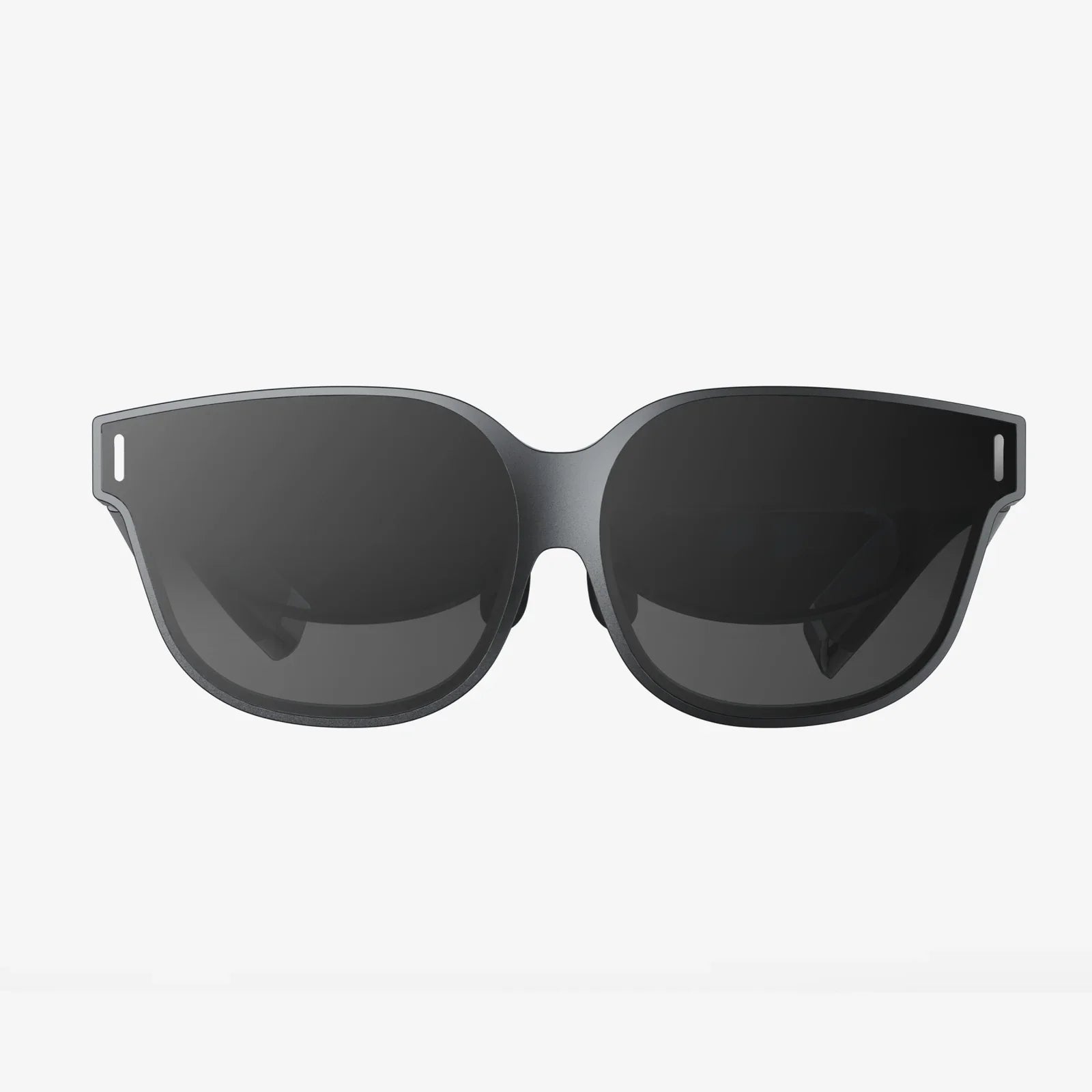
- by wangfred
VR Headset Industry: Navigating the Metaverse's Hardware Frontier
- by wangfred
The world is on the cusp of a digital revolution, and at the very forefront, strapped to the faces of early adopters and enterprise pioneers alike, is the hardware gateway to this new reality: the virtual reality headset. What was once a fantastical concept confined to the pages of science fiction has erupted into a multi-billion dollar industry, a fierce battleground where tech giants and ambitious startups vie for dominance. The journey of the VR headset industry is a tale of explosive hype, sobering reality checks, and a relentless, quiet march toward a future where the lines between our physical and digital lives are irrevocably blurred. This is not just about gaming anymore; it’s about reshaping how we work, learn, connect, and experience the world itself.
The conceptual roots of virtual reality stretch back decades, with early prototypes and research systems often being cumbersome, astronomically expensive, and capable of inducing more nausea than awe. For a long time, VR was the domain of university labs, military simulations, and a few arcade novelties. The industry, as we recognize it today, truly began its modern chapter in the early 2010s. A pivotal moment was the reveal of a prototype, which demonstrated that high-quality, low-latency VR could be achieved with consumer-grade components. This sparked a wildfire of interest and investment.
The first modern wave of consumer VR headsets arrived around 2016, a year often dubbed "The Year of VR." The market suddenly offered serious hardware, yet it came with significant barriers. These initial devices fell into two distinct categories: tethered headsets and mobile-powered headsets. Tethered headsets offered high-fidelity experiences but required a powerful, and expensive, external computer to operate, effectively doubling the cost of entry. They were also physically constrained by a cable, limiting user freedom. Mobile headsets, on the other hand, used a smartphone slotted into a head-mounted holder. They were affordable and wireless but offered a significantly less immersive and powerful experience, often dismissed as a novelty.
The industry quickly realized that both the tethered and mobile models had inherent limitations that would prevent mass adoption. The true breakthrough, the catalyst that changed the entire trajectory of the VR headset industry, was the successful development and commercialization of the standalone headset. This new category fused the all-in-one convenience and wireless freedom of mobile VR with the processing power and dedicated tracking systems previously only found in tethered setups.
Standalone headsets contain their own compute unit, battery, sensors, and displays within the device itself. This eliminated the need for an external PC or a constant tether to one, while also being a dedicated device not reliant on a specific smartphone model. The impact was profound:
This shift towards standalone devices marked the industry's maturation from a niche hobbyist market towards a mainstream consumer electronics category.
While gaming remains the primary driver of consumer VR headset sales, the industry's growth is increasingly fueled by applications far beyond entertainment. Enterprise VR has emerged as a massive and lucrative vertical. Companies across sectors like automotive, architecture, healthcare, and retail are deploying VR headsets for training, design, collaboration, and visualization.
Imagine automotive engineers collaborating on a virtual 3D model of a new car from different continents, medical students practicing complex surgical procedures in a risk-free environment, or architects walking clients through a building long before the foundation is poured. The value proposition for business is clear: increased efficiency, reduced costs, enhanced safety, and improved outcomes. Enterprise-focused headsets often prioritize different features than consumer models, such as higher-resolution displays for reading text, eye-tracking for nuanced interaction, and enhanced comfort for extended wear.
Parallel to the enterprise boom is the ambitious, and often controversial, push toward the "metaverse"—a persistent network of shared, interconnected virtual spaces. Major tech corporations have bet their future on this concept, viewing VR headsets as the essential hardware portal into these digital worlds. This vision positions VR not as a solitary gaming device but as the next evolution of social networking and remote collaboration. The headset becomes a tool for attending virtual concerts, holding business meetings with life-like avatars, or simply hanging out with friends in a digital space. This social-metaverse ambition is driving immense investment in headset development, focusing on making avatars more expressive, interactions more natural, and the hardware more comfortable for daily, social use.
The competition within the VR headset industry is fierce, manifesting as a relentless technological arms race. Innovation is happening on multiple fronts simultaneously as companies strive to create the most compelling and immersive experience.
Despite the incredible progress, the VR headset industry still faces significant hurdles that must be overcome to achieve true ubiquity.
The trajectory of the VR headset industry points toward a future of even greater immersion and integration into daily life. Several key trends are poised to define the next generation of hardware:
The VR headset industry is no longer in its infancy; it is in its volatile, exciting adolescence. It has survived the initial hype cycle, learned from its mistakes, and is now being fueled by a clearer, more compelling long-term vision. The hardware is evolving at a breakneck pace, becoming more powerful, comfortable, and accessible with each generation. While challenges remain, the direction is clear: these devices are steadily working their way toward becoming an indispensable tool for how we compute, create, and connect. The race to build the definitive window into the metaverse is on, and every innovation brings us closer to a world where stepping into another reality is as simple as putting on a headset.
Imagine a device that transforms your living room into a collaborative design studio, a front-row seat at a live event happening across the globe, or a gateway to adventures limited only by the imagination. This is the promise held within the sleek, increasingly sophisticated shells of modern VR headsets. The industry's journey is far from over; in many ways, it's just getting started. The next click you hear might not be from a mouse, but the strap of a headset tightening, signaling someone's departure into a world of limitless possibility.
Share:
Adjustable VR Headset: The Ultimate Guide to Customized Comfort and Immersion
How to Disconnect VR Headset from Phone: A Complete Guide to Managing Your Digital Detachment