


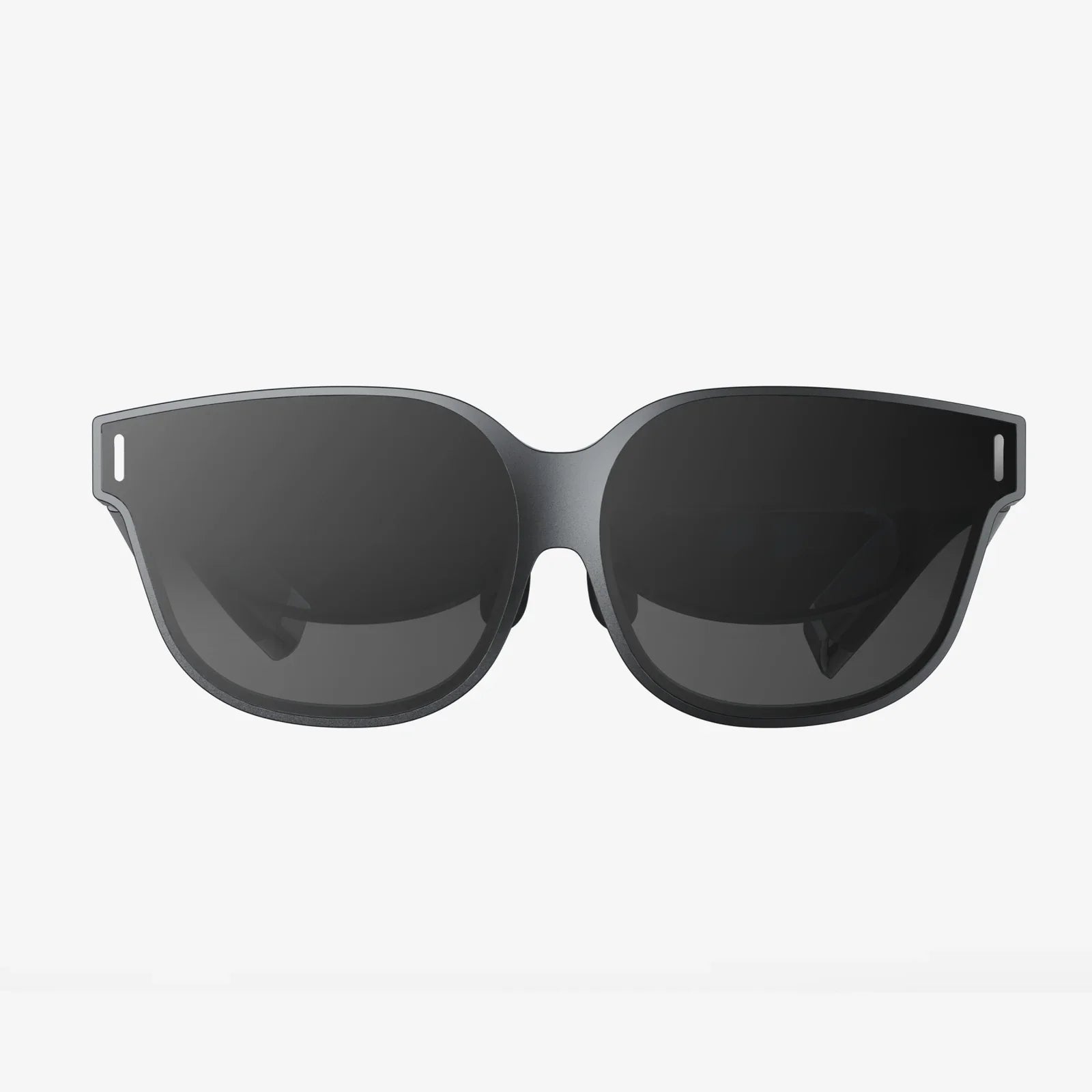
Imagine holding a portal to another dimension in the palm of your hand, a relic from a bygone era of technology that, against all odds, can still transport you to breathtaking virtual worlds. This is the curious and compelling reality of pairing a VR headset with an iPhone 5, a combination that speaks volumes about the rapid evolution of technology and the enduring power of innovation.
The Unlikely Alliance: Pushing Vintage Hardware to Its Limits
The iPhone 5, released to great acclaim, was a marvel of its time. Its 4-inch Retina display, boasting a resolution of 1136 x 640 pixels, was considered sharp and vibrant. Its Apple A6 chip was powerful, designed to handle the most demanding apps and games of 2012 with ease. However, the demands of virtual reality are in a different league altogether. VR is a notorious resource hog, requiring high, stable frame rates (typically 60fps or higher to avoid motion sickness), low persistence to reduce motion blur, and a high pixel density to minimize the dreaded "screen-door effect" where users can see the gaps between pixels.
This is where the challenge, and the charm, begins. Using this particular smartphone as the engine for a VR experience means accepting certain inherent limitations. The processing power, while groundbreaking a decade ago, pales in comparison to the chipsets found in modern smartphones, let alone dedicated standalone VR headsets. Pushing complex 3D environments at a consistent high frame rate is a tall order for the A6 chip. Developers and enthusiasts working with this platform must employ significant optimization, often simplifying textures, reducing polygon counts, and carefully managing computational overhead to create a comfortable and convincing experience.
A Gateway Drug to Virtual Reality
Despite these technical constraints, the role of this setup should not be underestimated. For countless users, a simple headset paired with their existing handset served as the perfect, low-cost introduction to virtual reality. Before the market was flooded with advanced, all-in-one devices, this was how the masses first experienced VR. It was an accessible entry point, demystifying the technology and offering a tantalizing glimpse into a future of immersive computing.
The experience, while rudimentary, could still be magical. 360-degree videos offered tours of distant landmarks and front-row seats at concerts. Simple interactive experiences and games, though not as complex as their modern counterparts, provided a genuine sense of presence and wonder. This low-barrier-to-entry ecosystem was crucial for building early consumer interest and developer experimentation, paving the way for the sophisticated VR market we see today. It proved that the desire for virtual immersion was strong, even if the hardware wasn't yet perfect.
The Anatomy of a Mobile VR Experience
So, how does it actually work? The principle is elegantly simple. A compatible headset, essentially a housing with two high-quality lenses, holds the smartphone securely a few inches from the user's eyes. The lenses refract the image on the phone's screen, creating a stereoscopic 3D effect and a wide field of view. The phone's internal gyroscope and accelerometer become the primary tracking system, detecting the user's head movements and adjusting the viewpoint in the virtual environment accordingly.
This method, known as rotational tracking, is effective for looking around a virtual space but lacks positional tracking—the ability to lean forward, duck, or move side-to-side. This is a key differentiator between mobile phone-based VR and higher-end systems that use external sensors or inside-out cameras to track full movement. For the iPhone 5, the experience is seated or stationary. The content itself is delivered through dedicated applications, which split the screen into two distinct feeds (one for each eye) and manage the real-time rendering based on sensor input.
The Developer's Playground: Crafting for Constrained Power
Creating VR content for a platform like this is an exercise in creative constraint. Developers must become masters of efficiency. Every polygon, every texture, every line of code must be scrutinized for its performance impact. Techniques like occlusion culling (only rendering what the camera can see), low-poly art styles, and baked lighting instead of real-time dynamic lighting become essential tools. The goal is to create a compelling and comfortable experience without triggering dropped frames, which can quickly lead to user discomfort.
This environment fostered a unique kind of innovation. It pushed developers to prioritize clever art direction over raw graphical horsepower, to design intuitive gaze-based controls instead of relying on complex external controllers, and to focus on short, impactful experiences rather than lengthy campaigns. It was a pure form of mobile VR, untethered and simple, that celebrated what was possible rather than lamenting what was not.
Beyond Nostalgia: The Lasting Impact and Legacy
The legacy of using hardware from this era for VR extends far beyond nostalgia. It represents a critical evolutionary step in the technology's lifecycle. It was the testing ground for user interface concepts, comfort best practices, and content genres that would later flourish on more powerful platforms. The lessons learned from developing for limited mobile hardware directly informed the development of more advanced, yet still power-conscious, standalone VR systems.
Furthermore, it established a crucial precedent for accessibility in the XR space. By leveraging a device millions already owned, it eliminated the need for a prohibitively expensive dedicated computer or console. This philosophy of accessibility continues to drive the industry today, with efforts focused on making VR and AR experiences available to as wide an audience as possible through various hardware tiers.
A Testament to Technological Progress
Perhaps the most striking aspect of revisiting this combination today is the perspective it offers. Holding an iPhone 5-powered VR headset is like looking through a technological time capsule. It's a direct, tangible comparison that highlights the staggering progress made in just over a decade. We've moved from low-resolution, rotation-only experiences to wireless headsets with crystal-clear displays, inside-out tracking, and hand-tracking capabilities that feel like magic.
This journey from then to now underscores the incredible pace of innovation in display technology, sensor fusion, and mobile processing power. It reminds us that today's cutting-edge marvels are built upon the foundations laid by yesterday's experiments and limitations. Each dropped frame on the older hardware makes the silky-smooth performance of a modern headset all the more impressive.
While the pairing of a VR headset with an iPhone 5 may now be a niche pursuit for hobbyists and retro-tech enthusiasts, its historical significance is undeniable. It was a first taste of virtual freedom for millions, a challenging platform that inspired developer creativity, and a humble beginning for a revolution in how we interact with digital worlds. It stands as a powerful reminder that every giant leap in technology begins with a small, often imperfect, but always wondrous first step into the unknown.
Share:
What Is AR on iPhone: A Comprehensive Guide to the Mobile Metaverse
AR Headset Widest Field of View 2025: The Dawn of True Immersion