


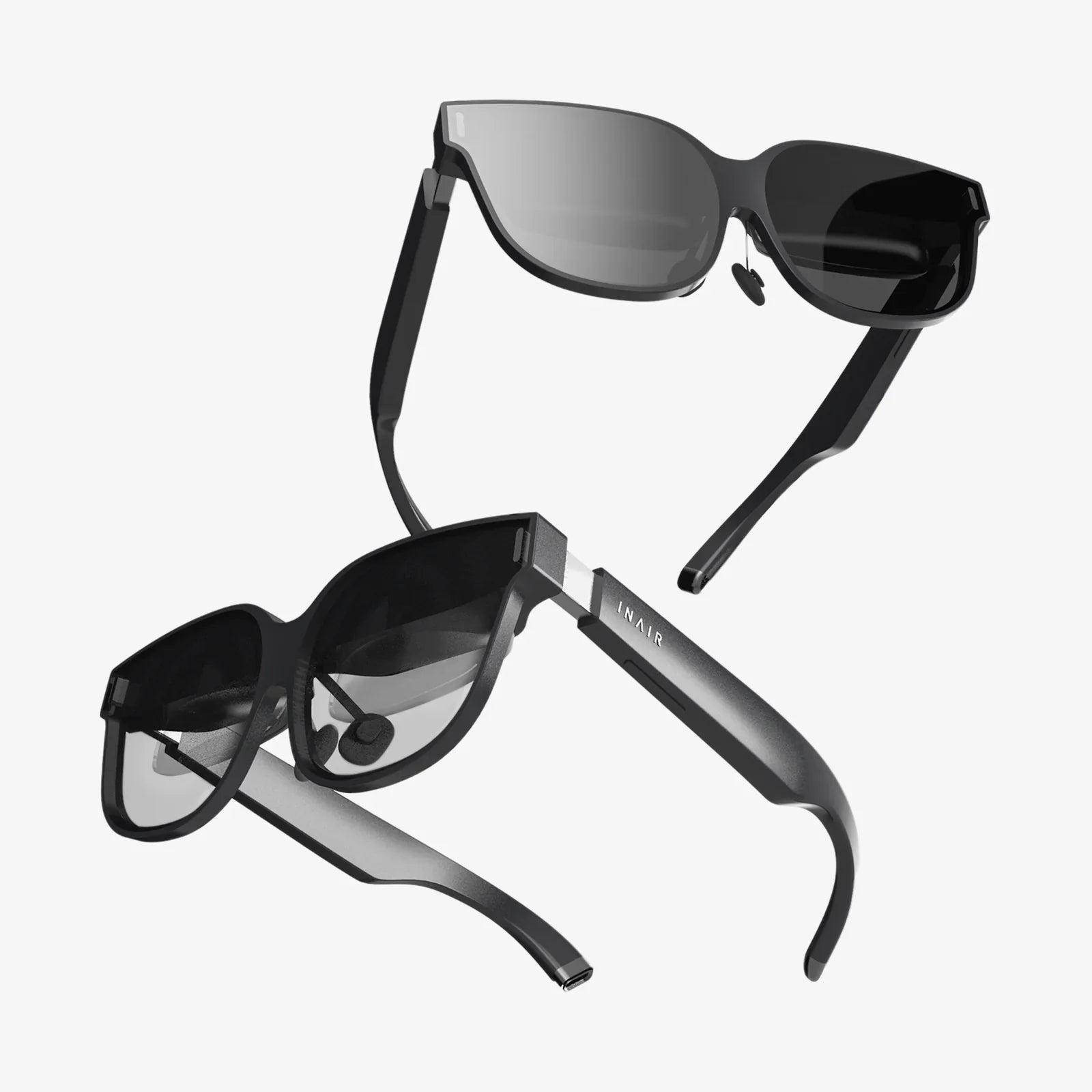
For decades, we've been bombarded with warnings about the dangers of screens. From parents limiting television time to the modern concern over smartphone-induced digital eye strain, the narrative has been overwhelmingly negative. So, the notion that strapping a high-resolution screen mere centimeters from your eyes could be beneficial sounds, at first, like pure science fiction. Yet, a quiet revolution is underway in ophthalmology and optometry labs around the world. Far from being a visual villain, the unique capabilities of virtual reality are being harnessed to not only treat serious eye conditions but also to potentially improve visual function in healthy individuals. This is the unexpected story of how a VR headset is good for eyes, turning a tool of entertainment into a promising instrument for visual wellness.
Beyond the Screen: How VR Technology is Fundamentally Different
To understand the potential benefits, we must first dismantle the misconception that a VR headset is simply a smartphone strapped to your face. The technology and visual experience are fundamentally different. Traditional screens force our eyes into a fixed focal distance. Whether you're reading a book, working on a laptop, or scrolling through a tablet, your eyes are locked into focusing at a specific, unchanging point. This sustained, static focus is a primary driver of digital eye strain, also known as computer vision syndrome, which can lead to dry eyes, headaches, and blurred vision.
VR headsets, however, create a stereoscopic 3D environment. Instead of looking at a flat screen, your eyes are looking into a simulated world. This is achieved through a combination of lenses and separate displays for each eye. The lenses refocus the light from the close-up displays to appear as if it's coming from a farther distance, often a focal plane of two meters or more. This effectively tricks the brain into believing it is looking at objects in the middle or far distance, reducing the intense, close-up focusing strain associated with traditional monitors.
Furthermore, in a well-designed VR experience, the user's eyes are constantly in motion—converging, diverging, and shifting focus to examine virtual objects at different depths. This dynamic visual activity is a form of exercise for the ocular muscles, the ciliary muscle that controls the lens, and the extraocular muscles that control eye movement. It mimics the natural, varied focusing behavior of looking around the real world, which is far healthier than the static stare demanded by a standard computer screen.
A Therapeutic Tool: Treating Amblyopia (Lazy Eye)
One of the most well-researched and promising medical applications for VR is in the treatment of amblyopia, commonly known as "lazy eye." Amblyopia occurs during early childhood when the brain and one eye aren't working together properly. The brain begins to favor the stronger eye, leading to a degradation of visual pathway development in the weaker eye. Traditional treatment, particularly after the critical early childhood development window, is notoriously difficult and often involves patching the stronger eye to force the brain to use the weaker one.
VR offers a revolutionary approach. Instead of simply blocking the strong eye, VR therapy can present different visual stimuli to each eye simultaneously. Imagine a game where the weaker eye sees the core gameplay elements—the characters and objectives—while the stronger eye sees peripheral elements or supplementary details. This dichoptic training forces the brain to integrate the signals from both eyes to successfully complete a task. The brain is incentivized to use the visual input from the amblyopic eye because it's essential for the engaging, rewarding activity. Studies have shown that this method can lead to significant improvements in visual acuity and binocular function in both children and adults with amblyopia, often achieving results faster and with better compliance than traditional patching.
The Myopia Epidemic and a Potential Digital Shield
The world is facing a myopia (nearsightedness) epidemic, particularly in children. A primary culprit is believed to be "near work"—the extensive amount of time spent focusing on books, phones, and other close-up objects. This prolonged accommodative stress is thought to encourage the elongation of the eyeball, which causes myopia. Another key factor is a lack of time spent outdoors; exposure to natural daylight and the need to focus on distant horizons are crucial for healthy eye development.
Herein lies another potential benefit of VR. As established, the optical design of most VR headsets sets the default focal plane in the intermediate to far distance. When a child uses a VR headset for educational content or appropriate games, they are not doing traditional "near work." Their eyes are focused farther away, providing a respite from the accommodative strain of reading a physical book or a tablet. In this specific context, VR could act as a prophylactic tool, offering a digital activity that doesn't contribute to the biomechanical stresses associated with myopia progression. Researchers are actively exploring this hypothesis, investigating whether controlled VR use could be part of a strategy to combat the rising rates of childhood myopia.
Sharpening the Mind's Eye: Visual Cognitive Training
The benefits extend beyond treating disease to enhancing performance. VR is an unparalleled platform for training and improving visual cognitive skills. These are the brain functions that process and interpret visual information, and they are critical in many aspects of life, from sports to driving.
- Depth Perception and Reaction Time: Immersive 3D environments are perfect for training depth judgment and reaction times. Applications can be designed where users must quickly gauge the distance of approaching virtual objects and react accordingly, sharpening these skills in a safe, controllable setting.
- Peripheral Awareness: Games and experiences can be crafted to encourage and reward users for noticing stimuli in their peripheral vision, expanding their effective field of view. This has obvious benefits for athletes and anyone needing heightened situational awareness.
- Eye-Hand Coordination: The interactive nature of VR—using motion controllers to manipulate the virtual world—provides intense, real-time training for eye-hand coordination. The brain must rapidly process visual spatial data to guide physical movements, creating a powerful feedback loop for improvement.
This type of targeted training can benefit everyone, from a professional athlete looking for an edge to an older adult working to maintain their visual processing speed and reduce fall risk.
Addressing Concerns and Best Practices for Healthy VR Use
Of course, this positive narrative comes with crucial caveats. VR is not without its potential downsides, and responsible use is paramount. The technology is still young, and long-term studies are ongoing. The key is to leverage the benefits while mitigating the risks.
VR-induced motion sickness, or cybersickness, is a known issue for some users, caused by a disconnect between visual motion cues and the body's vestibular system. This is typically resolved by starting with short sessions of comfortable experiences and gradually building tolerance. More importantly, for eye health, users must prioritize hygiene and moderation.
- The 20-20-20 Rule: Even though VR focuses at a distance, it's still a visually demanding activity. Adhere to the classic rule: every 20 minutes, take a 20-second break and look at something in the real world at least 20 feet away.
- Blink Consciously: People tend to blink less when engrossed in digital content, leading to dry eyes. Make a conscious effort to blink fully and frequently while in VR.
- Limit Session Length: Especially for children, sessions should be kept short, ideally under 30 minutes at a time. Their visual systems are still developing, and moderation is key.
- Prioritize Fit and Calibration: Ensure the headset is properly fitted. The lenses must be aligned with your eyes, and the IPD (Interpupillary Distance) should be adjusted correctly to avoid strain and ensure a clear, comfortable image.
- Consult a Professional: Anyone with a pre-existing eye condition should consult an optometrist or ophthalmologist before using VR extensively.
The Future of Vision: Personalized Digital Therapeutics
The future of VR and eye health points toward highly personalized digital therapeutics. Imagine a headset that uses built-in eye-tracking to perform a comprehensive assessment of your visual function—testing for acuity, contrast sensitivity, and binocular vision issues. Based on this diagnosis, the headset could then automatically calibrate and serve up a bespoke therapy game designed to train your specific visual weaknesses. This closed-loop system could provide accessible, engaging, and data-driven vision care from the comfort of home, monitored remotely by an eye care professional. It represents a shift from reactive correction to proactive enhancement and rehabilitation.
The journey of VR from a niche gaming peripheral to a potential tool for health and human augmentation is just beginning. The idea that we can use simulated worlds to heal and improve our very real vision is no longer the stuff of fantasy. It is a developing reality, built on a foundation of compelling scientific research. By understanding its principles and using it wisely, we can step beyond the fear of screens and into a future where technology truly works in harmony with our biology.
So the next time you see someone immersed in a virtual world, don't assume they're just escaping reality. They might, in fact, be engaging in a cutting-edge visual workout, strengthening their eyesight and sharpening their perception in ways that will profoundly benefit them long after the headset comes off. The evidence is mounting, challenging our oldest assumptions and revealing that the path to better vision might just be through a carefully crafted digital lens.
Share:
VR Headset with Adjustable Focus: The Key to Unlocking Universal Immersion and Ending Eyestrain
Low Budget VR Headset - Your Ultimate Guide to Affordable Virtual Reality