


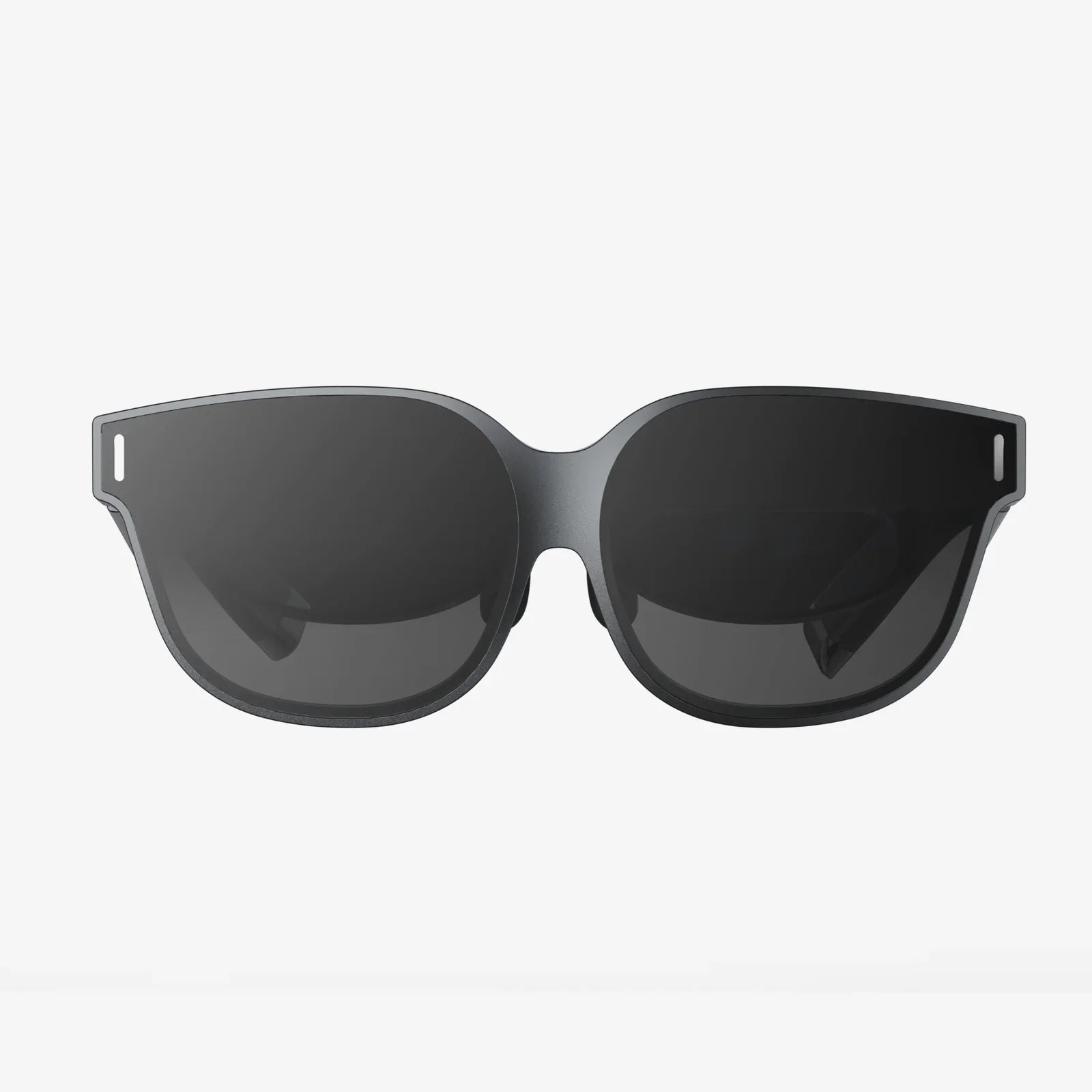
You've felt the buzz, seen the breathtaking trailers, and heard the stories of otherworldly immersion—now you're ready to take the plunge into virtual reality, but a critical question stops you cold: with so many options, how do you possibly choose the right VR headset from the endless list of contenders? The market is a thrilling yet overwhelming mix of cutting-edge technology, varying price points, and confusing specifications. This guide is your definitive compass, designed to cut through the noise and provide a clear, organized VR headset list that empowers you to make an informed decision, ensuring your first step into the virtual realm is nothing short of spectacular.
Decoding the VR Landscape: More Than Just a List
Before we dive into the specifics, it's crucial to understand that not all VR headsets are created equal. They generally fall into three distinct categories, each with its own philosophy, strengths, and ideal user.
1. Standalone VR Headsets: The All-in-One Powerhouses
These devices represent the most accessible entry point into high-quality VR. As the name implies, they are entirely self-contained computers. There are no wires tethering you to a powerful external device, no complicated setup procedures. You simply put on the headset and you're transported.
Key Characteristics:
- Untethered Freedom: The defining feature. You are free to move, spin, and duck without a second thought for tripping over a cable. This freedom is paramount for experiences that require extensive physical movement.
- Ease of Use: Designed for a plug-and-play experience. They typically feature inside-out tracking, meaning cameras on the headset itself track your controllers and environment, eliminating the need for external base stations or sensors placed around your room.
- Portability: Their all-in-one nature makes them easy to take to a friend's house or pack for travel, provided you have a clear play space.
- Performance Consideration: Because the computing hardware is built into the headset, it must balance power with battery life, heat, and weight. While incredibly capable, they generally cannot match the raw graphical fidelity of a headset powered by a top-tier dedicated computer.
Ideal For: Newcomers to VR, families, those who value convenience and wireless freedom above all else, and users without a powerful computer.
2. PC-Connected VR Headsets: The Fidelity Kings
For those who demand the absolute highest visual quality, the most complex simulations, and the most graphically intense games, PC-connected (or tethered) headsets are the undisputed champions. These devices act as ultra-high-resolution displays, relying on the immense processing power of a capable gaming computer to render stunningly realistic virtual worlds.
Key Characteristics:
- Unmatched Performance: By leveraging a powerful external GPU and CPU, these headsets can deliver vastly superior resolution, texture detail, draw distances, and physics simulations compared to standalone units.
- Broad Software Library: They have access to vast libraries of deep, graphically rich experiences on established PC platforms, often seen as the home of hardcore VR gaming and professional applications.
- The Tether: The physical cable connection is the primary trade-off. It can be immersion-breaking and a tangling hazard, though many enthusiasts use pulley systems from the ceiling to manage the cable.
- Higher Barrier to Entry: Requires a significant investment not only in the headset itself but also in a VR-ready computer, which can be a costly endeavor.
Ideal For: Hardcore gamers, simulation enthusiasts (flight, racing, etc.), professionals in architecture and design, and anyone who prioritizes visual fidelity and performance above all else.
3. Console-Based VR Headsets: The Plug-and-Play Specialist
This category is currently more niche but represents a compelling proposition: a high-quality VR experience designed from the ground up to work seamlessly with a specific video game console. This approach offers a curated, optimized experience that removes the guesswork of PC compatibility.
Key Characteristics:
- Optimized Ecosystem: The hardware and software are designed in tandem, ensuring smooth performance and a highly polished user experience. Developers create for a single, known specification.
- Simplicity: The setup is typically very straightforward—connect the headset to your console and you're ready to go.
- Limited Scope: The library of available games and experiences is inherently tied to the console's ecosystem and is generally smaller than the PC VR landscape.
- Evolving Technology: This segment is seeing rapid advancement, with new entries promising high-fidelity, wireless functionality within the console family.
Ideal For: Dedicated console gamers who want to expand their experience with a trusted ecosystem and a simple setup process.
Key Specifications to Scrutinize
Understanding these terms will transform you from a passive observer into an informed buyer, allowing you to compare any VR headset list with a critical eye.
Display and Optics: Your Window to Another World
- Resolution: Measured in pixels per eye (e.g., 1832 x 1920). Higher numbers generally mean a sharper, clearer image with less visible "screen door effect" (the fine mesh-like lines between pixels).
- Refresh Rate: Measured in Hertz (Hz), this is how many times the image updates per second. A higher refresh rate (90Hz, 120Hz, or even 144Hz) leads to smoother motion, which greatly reduces the potential for motion sickness and increases realism.
- Lens Type: Pancake lenses are a newer, advanced technology that allows for a much slimmer and lighter headset design while improving clarity and edge-to-edge sharpness compared to the older Fresnel lenses, which can sometimes cause "god rays" or glare around high-contrast objects.
- Field of View (FoV): This is the angular extent of the observable world, measured diagonally in degrees. A wider FoV (110°+) is more immersive, making you feel more "inside" the world, while a narrower FoV can feel like looking through binoculars.
Tracking and Controls: Your Body in the Virtual Space
- Inside-Out vs. Outside-In Tracking: Inside-out tracking uses cameras on the headset to map the room and track the controllers, making setup a breeze. Outside-in tracking uses external sensors placed around the room for extremely precise, low-latency tracking, but requires more setup and is less portable.
- Controller Design: Ergonomic, intuitive controllers are essential. Look for features like haptic feedback (subtle vibrations), finger tracking (the ability to detect individual finger movements for more natural gestures), and robust tracking rings that won't lose sight of the headset's sensors.
Comfort and Ecosystem: The Long-Haul Experience
- Ergonomics: A headset is useless if it's uncomfortable. Consider weight distribution, padding materials, and strap design. A rigid, counterbalanced strap is often preferable to a simple elastic strap for longer sessions.
- IPD Adjustment: Interpupillary Distance adjustment, either physical (a dial that moves the lenses) or software-based, is critical for aligning the lenses with your eyes for a clear, comfortable image and to prevent eye strain.
- Content Library: What good is a powerful headset without great software? Investigate the storefront it uses—the number of available apps, the quality of exclusives, and the company's commitment to funding new content.
Curating Your Personal VR Headset List
Now, let's apply these principles. The following list categorizes headsets by their primary type, focusing on their value proposition rather than specific brand names.
The Standalone Standouts
The Accessible All-Rounder: The most popular standalone headset on the market. It offers a fantastic balance of performance, a massive content library, and wireless freedom. It's the default recommendation for most people entering the VR space and serves as a social platform as much as a gaming device.
The Performance Pioneer: A premium standalone device that stands apart by also offering the ability to connect to a gaming PC via a single USB-C cable. This hybrid approach gives users the best of both worlds: untethered freedom for casual and mobile experiences, and high-fidelity PC VR when you want the absolute best graphics. It's a top-tier choice for those who want no compromises.
The Enterprise & Enthusiast Entry:> A standalone headset focused on mixed reality (MR) and enterprise applications. It features high-resolution color passthrough cameras, allowing you to see your real world in detail with digital objects overlaid. Its powerful processor makes it a strong contender for developers and professionals, though its content library for pure gaming is less extensive than its competitors.
The PC-Connected Powerhouses
The High-Fidelity Veteran: A longstanding king of PC VR, known for its exceptional tracking fidelity using external base stations. It boasts a wide field of view, high refresh rates, and is the go-to choice for users who demand the most precise tracking available, especially for competitive gaming and full-body tracking applications.
The Crystal-Clear Contender: A recent and highly acclaimed PC-connected headset renowned for its stunning visual clarity. It uses advanced pancake lenses and incredibly high-resolution displays to produce an image that is virtually free of the screen-door effect, setting a new benchmark for visual sharpness in consumer VR.
The Wireless Wonder: A unique headset that combines the high-fidelity of PC VR with complete wireless freedom. It uses a proprietary wireless adapter to transmit data without compression, resulting in a latency-free experience that feels like a standalone headset but is powered by your computer. It's a premium solution for those who refuse to choose between performance and freedom.
The Console Companion
The Next-Gen Console Vision: Designed specifically for the latest generation of consoles, this upcoming headset represents a significant leap in console-based VR. Early reports indicate it will offer high-resolution displays, pancake lenses for a slim design, and slick controllers, all while operating as a wireless device within its ecosystem. It promises to bring a premium, hassle-free VR experience to console gamers.
Making Your Final Choice: It's All About You
With this organized VR headset list in mind, your decision comes down to a few personal questions:
- What is your budget? Consider the total cost: the headset itself, any mandatory accessories, and, for PC VR, the cost of the computer.
- What is your technical comfort level? Are you okay with tweaking settings on a PC, or do you prefer a completely streamlined, console-like experience?
- What do you want to do in VR? Are you a hardcore gamer, a socializer, a fitness enthusiast, or a creative professional? Your primary use case will point you toward the right category.
- Where will you use it? Do you have a dedicated, clear playspace for room-scale experiences, or will you be primarily seated?
There has never been a better time to explore virtual reality. The technology has matured, the content libraries are rich and diverse, and there is a perfect headset for nearly every type of user and budget. By moving beyond a simple list of names and understanding the philosophies and specifications that define them, you hold the key to unlocking a universe of experiences.
Your journey into breathtaking new worlds, heart-pounding adventures, and connections that defy physical distance begins with a single, perfectly informed choice—use this guide to find the VR headset that doesn't just meet specifications, but truly feels like it was made for you.
Share:
Augmented Reality Market Forecast 2025: A Deep Dive into the Next Digital Revolution
Augmented Reality Market Forecast 2025: A Deep Dive into the Next Digital Revolution