The virtual reality landscape is shifting beneath our feet, not with the quiet tremor of a minor update, but with the seismic roar of a full-scale industrial revolution. If you think the VR headset market is still just about gaming, today's news will be a revelation. The headlines are no longer dominated solely by the latest high-score beaters but by multinational corporations deploying thousands of units to train surgeons, design skyscrapers, and connect global teams in shared digital spaces. The conversation has evolved from pure entertainment to profound utility, marking one of the most significant pivots in consumer electronics. This isn't a distant future; this is the market reality as it stands today.
The Enterprise Charge: Beyond the Game Room
The most compelling narrative in current VR headset market news is the unstoppable march into the enterprise sector. While the consumer market remains vital, it is the business applications that are driving consistent, high-volume orders and demonstrating undeniable return on investment. Companies are investing heavily in VR to solve real-world problems, and headset manufacturers are responding with purpose-built hardware and software ecosystems.
In manufacturing, technicians are using VR to learn complex assembly processes on virtual models long before a physical prototype exists. This reduces errors, accelerates training time, and slashes costs. Architecture and construction firms are walking clients through photorealistic virtual buildings, making changes to structural designs or interior layouts in real-time with stakeholders across the globe. The medical field is witnessing some of the most transformative applications. Surgeons practice intricate procedures on virtual patients, medical students explore detailed anatomical models, and therapists use controlled VR environments to treat conditions like PTSD and anxiety.
This enterprise demand is shaping hardware development. Today's leading professional-focused headsets prioritize features like ultra-high-resolution displays for reading fine text, advanced inside-out tracking for easy setup in any office or factory floor, and robust comfort for extended wear during lengthy design sessions or training modules. The business model is also shifting, with a greater emphasis on enterprise-grade software subscriptions, dedicated support, and bulk licensing deals.
The Form Factor Wars: Standalone vs. Tethered vs. Mobile
The battle for VR supremacy is being fought on multiple fronts, primarily defined by how a headset connects to its computing power. This divide represents a core strategic schism in the market today.
The All-in-One Arena
Standalone headsets, which contain all necessary processing power within the device itself, have democratized access to high-quality VR. Their convenience is unparalleled—no wires, no powerful external computer required, just put it on and dive in. This segment has seen explosive growth, making VR accessible to millions. Today's news is filled with iterations on this theme: newer standalone models are boasting significantly more powerful processors, better battery life, and improved ergonomics. They serve as the entry point for consumers and a versatile tool for many business applications where absolute top-tier graphical fidelity is secondary to ease of deployment.
The Power of the PC-Connected Titans
On the other side are PC-tethered headsets. These devices offload processing to a high-end gaming computer, unlocking breathtaking graphical fidelity, immense detail, and incredibly immersive experiences that standalone units cannot yet match. For hardcore gamers, professional designers, and anyone who demands the absolute best visual experience, this remains the gold standard. Market news indicates that this segment is not fading away but is instead specializing. The focus is on pushing the boundaries of what's possible: eye-tracking for foveated rendering (which dramatically improves performance), vast field-of-view displays, and ultra-high pixel densities that eliminate the "screen-door effect." These are premium products for premium experiences.
The Fading Segment: Smartphone-Based VR
Once a popular low-cost introduction to VR, the smartphone-based model—where a mobile phone is slotted into a head-mounted holder—has largely receded from the mainstream market news. The convenience of all-in-one standalone devices and their superior, integrated experience has made the smartphone accessory model largely obsolete for new development.
Technological Leaps Defining the Current Generation
The raw pace of innovation is staggering. Several key technologies have moved from prototype phases to standard features, defining the capabilities of modern VR headsets.
Inside-Out Tracking: Early VR systems required external sensors or base stations placed around a room to track the user's movement. Today's news is all about inside-out tracking, where cameras and sensors embedded on the headset itself map the environment and track controllers without any external hardware. This has drastically reduced setup complexity and made VR more portable and accessible.
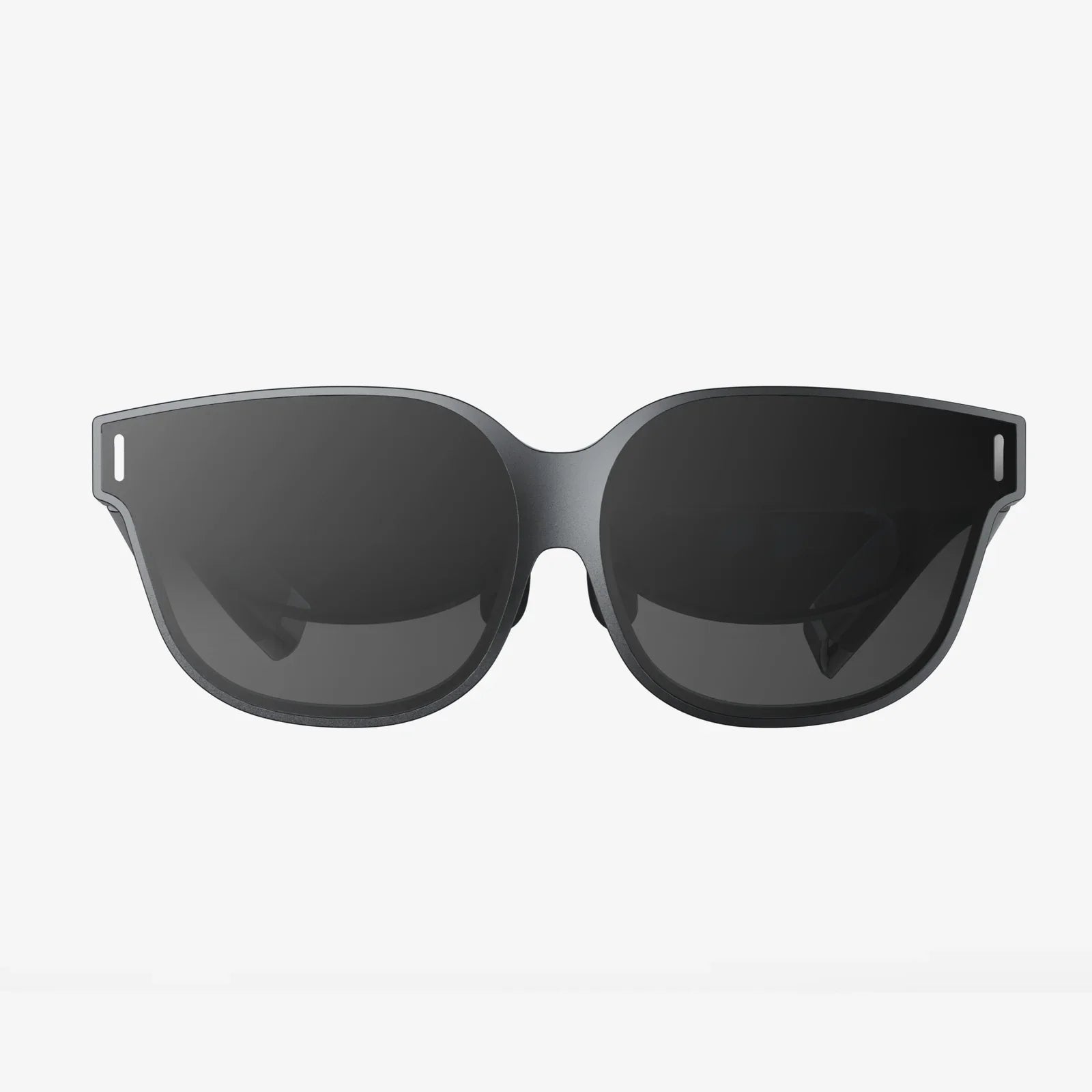
Pancake Lenses: A fundamental shift in optics is underway. Traditional Fresnel lenses are being replaced by thinner, lighter "pancake" lenses. This allows for a radical reduction in the size and weight of headsets, moving them closer to the form factor of sunglasses and addressing a major historical pain point: bulkiness.
Eye-Tracking and Foveated Rendering: This is a game-changer for performance. By tracking where the user's eyes are looking, the headset can render the center of their vision in full detail while subtly reducing the detail in their peripheral vision. Since the human eye cannot perceive this reduction, the result is a massive decrease in the computing power required to run experiences, paving the way for more complex visuals on both standalone and tethered devices.
High-Resolution Micro-OLED Displays: Display technology continues to advance rapidly. Micro-OLED panels offer incredibly high pixel-per-degree density, true blacks, and vibrant colors, all while being compact and power-efficient. This is crucial for achieving visual clarity and overcoming past issues like Mura effects and screen-door distortion.
Content and Software: The Ecosystem is Everything
A headset is merely a window; the software is the world you see through it. The health of the VR content ecosystem is a primary indicator of the market's overall vitality. The gaming library is deeper and more sophisticated than ever, with major franchises establishing a foothold and innovative indie titles pushing creative boundaries. However, the real growth story is in non-gaming content.
Social VR platforms are evolving into persistent digital spaces where people meet, attend concerts, watch movies, and collaborate. Productivity suites are being rebuilt for VR, offering virtual monitors and workspaces that can be set up anywhere. Fitness applications have become a powerhouse category, turning workouts into engaging games and tracking calories burned with impressive accuracy. Furthermore, enterprise software platforms are emerging as leaders, offering tailored solutions for corporate training, data visualization, and 3D design review that are becoming integral to various business workflows.
Challenges and Headwinds: The Road Ahead
Despite the exciting progress, the VR headset market is not without its challenges. The concept of the "metaverse," once a ubiquitous buzzword, has faced a backlash due to hype outstripping current technological reality and broader economic pressures on tech giants. This has led to a period of recalibration and focused execution rather than grandiose promises.
Consumer adoption, while growing, still faces the hurdle of convincing the average person that a VR headset is a must-have device rather than a niche accessory. Concerns around data privacy, digital identity, and the long-term social effects of immersive technology are part of an essential ongoing societal conversation. Economically, inflation and a potential global recession could impact discretionary spending on high-end tech gadgets in the consumer space, making the stable enterprise demand even more critical for manufacturers' bottom lines.
Yet, these challenges are being met with a newfound maturity in the industry. The focus has sharpened from selling a futuristic dream to delivering tangible, valuable applications in the here and now. The news today is less about fantasy and more about function—and that is a sign of a market growing up and preparing for sustainable, long-term growth.
From the factory floor to the operating room, the virtual realm is becoming an indispensable layer over our physical reality. The latest headsets are no longer clunky novelties but sophisticated portals to new ways of working, learning, and connecting. The race is on to create the perfect blend of power, comfort, and accessibility—a device that disappears on your face and immerses your mind. This relentless innovation means the most exciting VR headset market news is yet to come, and it will undoubtedly redefine our relationship with technology itself.


Share:
TV Split Screen Glasses: The Ultimate Guide to Personal Viewing Revolution
TV Split Screen Glasses: The Ultimate Guide to Personal Viewing Revolution