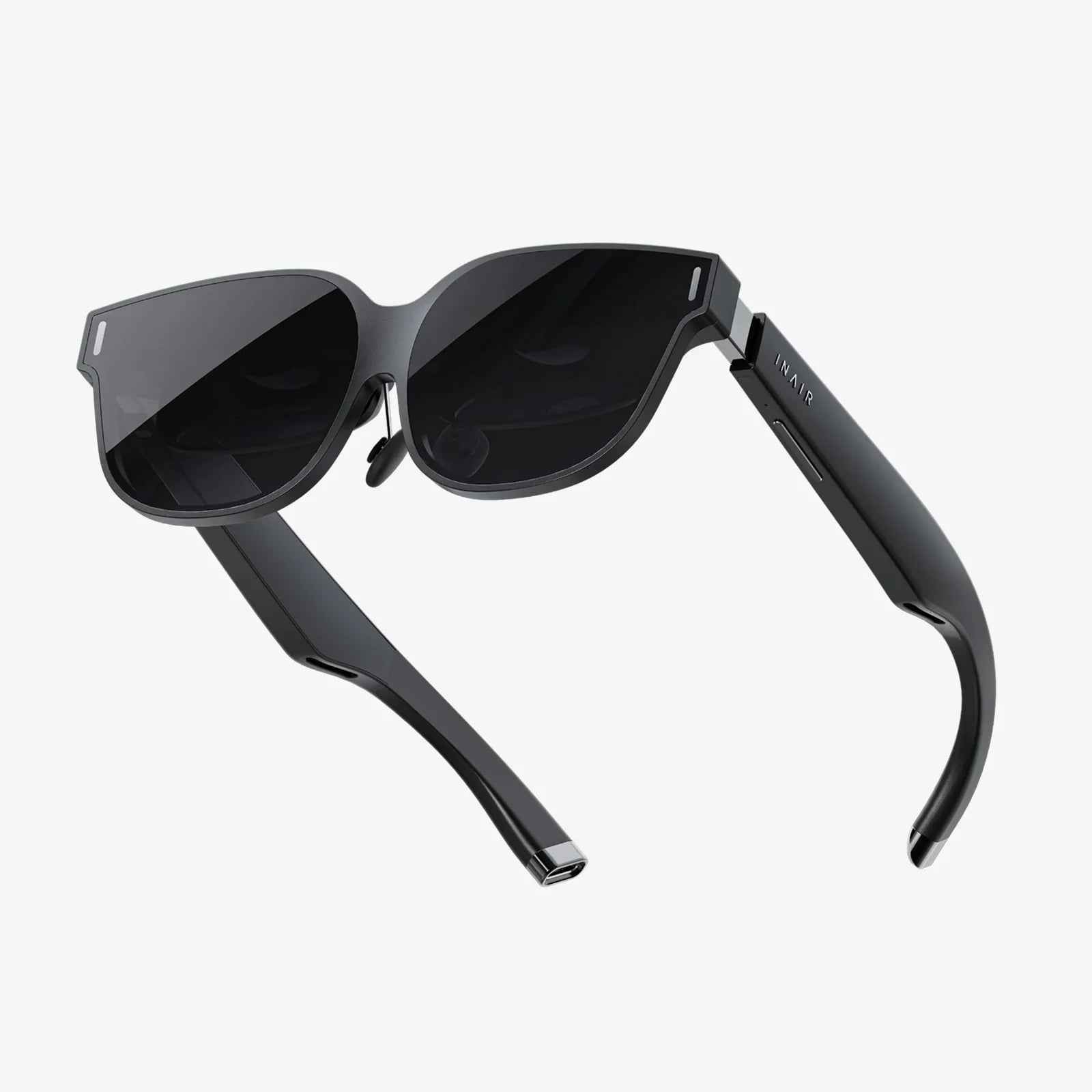
Imagine slipping on a pair of sleek, lightweight glasses and instantly being transported to a virtual boardroom, a breathtaking concert on the other side of the world, or a hyper-realistic training simulation indistinguishable from reality. This is no longer the stuff of science fiction; it is the promise of VR headset models 2025. The coming year is poised to be a watershed moment, not merely an incremental update, but a fundamental leap that will finally bridge the gap between early adoption and mainstream inevitability. The devices launching this year are set to redefine our relationship with digital spaces, offering unprecedented levels of immersion, comfort, and accessibility that will finally make virtual reality a seamless part of our daily lives.
The Paradigm Shift: From Tethered Power to Standalone Brilliance
For years, the VR market was bifurcated: powerful, tethered headsets for premium experiences and less capable standalone units for convenience. 2025 decisively ends that compromise. The driving force behind the latest VR headset models is the integration of next-generation processors specifically designed for spatial computing. These aren't just mobile chips; they are architectural marvels built from the ground up to handle simultaneous high-fidelity graphics, advanced artificial intelligence tasks, and sophisticated inside-out tracking with minimal power draw.
The result is standalone devices that boast visual fidelity once reserved for expensive, PC-connected setups. We're seeing resolutions that push beyond the perceivable limits of the human eye, often referred to as “retina-level” displays, eliminating the screen-door effect that has plagued earlier generations. This is achieved through innovative use of micro-OLED and pancake lens systems, which not only provide stunning clarity and vibrant colors but also allow for a dramatic reduction in the size and weight of the headsets themselves. The bulky, front-heavy design of the past is giving way to more balanced, glasses-like form factors that users can wear for hours without fatigue.
A Deep Dive into the Defining Technologies of 2025
To understand the VR headset models of 2025, one must look at the suite of technologies that power them. These are not isolated improvements but a synergistic convergence that creates a whole greater than the sum of its parts.
Visual Fidelity: The Quest for Perfection
The display is the window to the virtual world, and in 2025, that window is crystal clear. Key advancements include:
-
Micro-OLED Panels: Offering self-emissive pixels with true blacks, incredible contrast ratios (exceeding 1,000,000:1), and lightning-fast response times that eliminate motion blur. These panels are incredibly compact, enabling higher pixel density in a smaller package.
-
Pancake Lenses: These multi-element folded optics have become the industry standard for high-end models. They significantly reduce the distance between the display and the eye, slimming down the headset's profile dramatically while improving edge-to-edge clarity.
-
High Dynamic Range (HDR): Once a luxury, HDR is now a key feature, providing a much wider range of luminosity. Virtual sunsets feel genuinely bright, and dark corridors are truly ominous, adding a critical layer of realism.
The Intelligence Core: AI and Machine Learning
Artificial intelligence is the invisible engine driving the modern VR experience. It's used for:
-
Foveated Rendering: Advanced eye-tracking cameras, now a staple in flagship models, monitor precisely where the user is looking. The system then dedicates its full rendering power to that central focal point, subtly reducing detail in the peripheral vision. This massive efficiency gain allows for photorealistic graphics without overwhelming the processor.
-
Avatar and Expression Mapping: Machine learning algorithms analyze a user's eye movements and facial expressions via internal cameras, translating them onto their digital avatar in real-time. This enables nuanced, non-verbal communication in social and professional virtual spaces, making interactions feel genuinely human.
-
Environmental Understanding: Onboard sensors continuously scan the physical environment. AI interprets this data to allow for more intuitive interactions, such as placing a virtual screen on a real wall or using a physical desk as a surface within the game, further blurring the lines between realities.
Interaction and Comfort: Feeling the Virtual
How we interact with the virtual world is evolving beyond simple controllers.
-
High-Fidelity Hand Tracking: While available previously, the technology in 2025 models is so accurate and low-latency that it can track individual finger movements and subtle gestures, making controllers optional for many applications. This allows for intuitive, natural interaction with virtual objects.
-
Haptic Feedback Integration: The latest models often include lightweight haptic actuators in the headstrap or optional gloves. This provides tactile feedback, such as the sensation of rain, the recoil of a virtual tool, or the thump of a virtual basketball, deepening the sense of presence.
-
Ergonomics and Passthrough: Comfort is paramount. We see designs with better weight distribution, adjustable diopters for glasses-wearers, and improved ventilation. Furthermore, full-color, high-resolution video passthrough is standard, transforming the headsets into powerful augmented reality devices for mixed-reality experiences.
Market Segments: Finding the Right Model for Every User
The VR landscape in 2025 is no longer one-size-fits-all. It has matured into distinct segments catering to different needs and budgets.
The Flagship All-Rounder
This category represents the pinnacle of current consumer technology. These devices are standalone powerhouses featuring every cutting-edge technology: top-tier micro-OLED displays, flawless inside-out tracking, advanced eye and face tracking, and the most powerful mobile processors available. They are designed for the enthusiast, the professional, and the early adopter who demands the absolute best experience, whether for immersive gaming, detailed design work, or collaborative enterprise solutions. They represent a significant investment but offer a glimpse into the future of the medium.
The Mainstream Gateway
Positioned as the accessible entry point, these models often come from the same families as the flagships but make strategic compromises to hit a more attractive price point. They may use very high-resolution LCD panels instead of micro-OLED, omit the more advanced eye-tracking features, or utilize a slightly less powerful chipset. However, they are far from basic. They still offer a fantastic, high-resolution experience, robust hand tracking, and a vast library of content. This segment is crucial for driving mass adoption, proving that high-quality VR is no longer a luxury.
The Specialized Professional Rig
Beyond the consumer space, 2025 sees a proliferation of specialized headsets designed for enterprise, medical, and military training. These models prioritize ultra-high resolution for reading fine text, specialized tracking for integrating with real-world equipment, and ruggedized designs for demanding environments. They often feature modular components and are part of a larger ecosystem of software and services tailored for specific industrial applications.
Beyond Entertainment: The Expanding Universe of VR Applications
While gaming remains a primary driver, the value proposition of 2025's VR headsets extends far into practical, real-world applications.
-
Remote Work and Collaboration: Virtual offices are becoming truly viable. Imagine brainstorming on a 3D model with colleagues from three different countries as if you were standing around a physical prototype, reading body language and sharing ideas with intuitive whiteboard tools in a persistent virtual space.
-
Education and Training: Medical students can practice complex surgical procedures in a risk-free environment. Mechanics can learn to repair new engine models using virtual tools and guided instructions overlaid on the machinery. The potential for experiential learning is limitless.
-
Health and Therapy: VR is being used for physical rehabilitation, guiding patients through exercises in engaging virtual environments. It's also a powerful tool for treating phobias, PTSD, and anxiety disorders through controlled exposure therapy.
-
Social Connection: Platforms are evolving into genuine social hubs where people can attend live events, watch movies together on a giant virtual screen, or simply hang out in beautifully rendered environments, fostering a deeper sense of togetherness despite physical distance.
Navigating the Purchase: What to Consider Before You Buy
With such a diverse range of impressive options, choosing the right model requires careful consideration.
-
Content Ecosystem: Your desired experiences are paramount. Ensure the headset you choose has access to the applications, games, and social platforms you are most interested in.
-
Comfort and Fit: If possible, try before you buy. A lightweight, well-balanced headset you can wear for hours is more valuable than a slightly more powerful one that causes neck strain. Consider adjustable IPD (Interpupillary Distance) and options for glasses wearers.
-
Display Technology: Decide what matters most: the perfect blacks and contrast of micro-OLED or the often brighter and more affordable high-end LCDs. Resolution and field of view are also key factors for immersion.
-
Future-Proofing: Features like eye-tracking and full-color passthrough are becoming central to the next wave of software. Investing in a headset with these capabilities may ensure a longer useful lifespan as developers embrace these technologies.
The hum of a powerful processor, the weightless clarity of a retina-level display, the intuitive reach of your own hands into a digital realm—this is the sensory symphony of VR headset models 2025. We are standing at the precipice of a new era, not of clunky gadgets and niche hobbies, but of elegant portals to limitless worlds and transformative tools for work, learning, and human connection. The devices arriving this year are the keys to unlocking that future, offering a glimpse of a world where the line between the physical and the virtual isn't just blurred; it's rendered entirely obsolete. The only question that remains is not if you will step through, but when.