


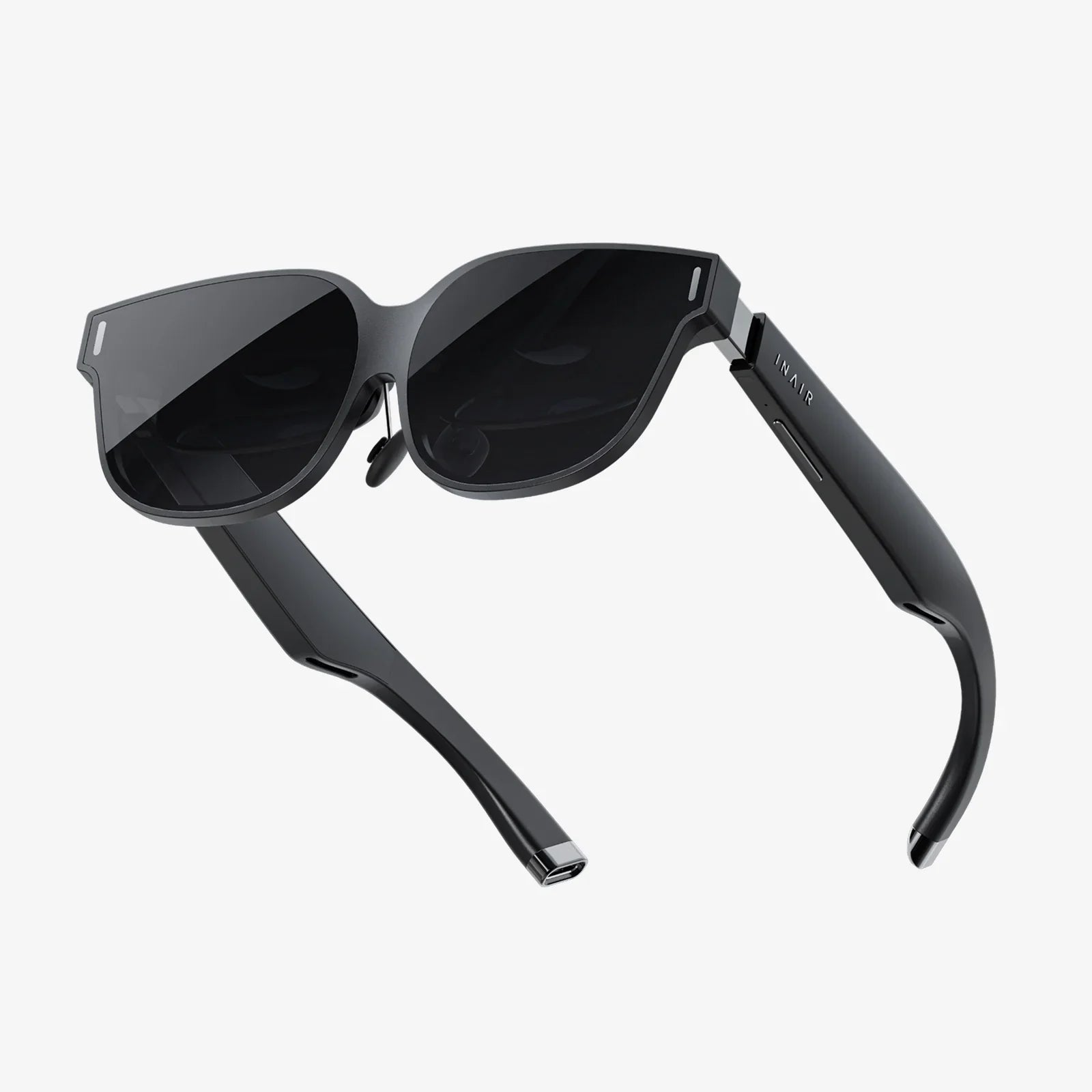
Imagine slipping on a sleek, lightweight visor and instantly being transported to a virtual boardroom, a front-row concert seat, or an immersive gaming universe—all from your living room in Mumbai or a quiet town in Kerala. This is the promise of the near future, and the burning question on every tech enthusiast's mind is: how much will this portal to another dimension cost? The trajectory of VR headset prices in India is poised for a dramatic and exciting shift by 2025, a change driven by fierce competition, technological democratization, and a burgeoning domestic market. This isn't just about a number; it's about the tipping point where virtual reality transitions from a niche hobby to a mainstream staple in Indian households.
The Current Landscape: Setting the 2025 Stage
To understand where we are going, we must first appreciate our starting point. The Indian VR market in the present day is a tale of two extremes. On one end, there are premium, high-fidelity devices that offer unparalleled immersion but carry a hefty price tag, often placing them out of reach for the average consumer. On the other end, a vast sea of affordable mobile-based VR viewers and entry-level standalone headsets exists, offering a tantalizing glimpse into VR but often compromising on performance, comfort, and software ecosystem.
This polarization has created a significant barrier to mass adoption. The premium segment is seen as a luxury investment, while the budget segment can sometimes deliver a subpar experience that fails to capture the true magic of VR, potentially deterring users. The year 2025 is expected to be the period where this gap finally begins to close decisively. The mission for manufacturers will no longer be about creating the most powerful headset for the elite few, but about engineering the most accessible and valuable headset for the many.
Key Factors Driving VR Headset Prices Down in 2025
The downward pressure on VR headset prices in India is not happening in a vacuum. It is the result of several powerful, converging forces that will reshape the market dynamics.
Technological Advancements and Economies of Scale
The core components of VR hardware—displays, sensors, and processors—are following the predictable path of most electronics: they are getting better and cheaper at an accelerating rate. High-resolution LCD and emerging Micro-OLED displays are becoming more cost-effective to produce. Inside-out tracking technology, which eliminates the need for expensive external sensors, is now the industry standard for consumer devices. As global production volumes for VR/AR-specific components skyrocket to meet international demand, manufacturers will achieve significant economies of scale, lowering the per-unit cost substantially. These savings will inevitably be passed on to consumers in a competitive market like India.
Intensifying Market Competition
The VR arena is no longer a quiet playground for one or two key players. The space is getting crowded, and this is fantastic news for Indian consumers. With multiple tech giants and ambitious startups all vying for a piece of the next computing revolution, competition will be ferocious. This rivalry will not only spur innovation but also trigger aggressive pricing strategies. Companies will be forced to offer more compelling features at lower price points to capture market share. We can expect to see more bundled offers, attractive financing options (like EMI schemes), and competitive pricing directly from manufacturers, all contributing to a more affordable overall landscape.
The "Make in India" Influence and Reduced Import Duties
This could be the single most impactful factor for the Indian market. The government's continued push for local manufacturing under the Production Linked Incentive (PLI) scheme for IT hardware is a game-changer. If major VR brands establish assembly lines or full manufacturing units within India, they can avoid substantial import duties, which currently add a significant premium to the final consumer price. A headset assembled domestically could see a dramatic price reduction of 20% or more compared to a fully imported unit, making it instantly more accessible to a much wider audience.
The Growth of the Domestic Software and Content Ecosystem
Hardware is useless without software. The value proposition of a VR headset is directly tied to the experiences it can deliver. By 2025, we anticipate a much richer and more diverse library of content tailored for the Indian audience. This includes not just games but also applications for education, virtual tourism, real estate, healthcare, and corporate training. As the perceived value and utility of owning a headset increase, consumers will be more willing to invest. Furthermore, a robust content ecosystem supports hardware sales, allowing manufacturers to potentially adopt slightly slimmer hardware margins, knowing that software and services will drive long-term revenue.
VR Headset Price India 2025: A Detailed Price Band Forecast
Based on these converging factors, we can forecast a stratified market with options for every budget. It is crucial to remember that these are estimated price ranges and actual figures will vary by brand, specification, and market conditions.
Entry-Level Standalone VR Headsets (₹15,000 - ₹30,000)
This segment will experience the most radical transformation. By 2025, the current generation of entry-level devices will be replaced by far more capable successors. For a price point between ₹15,000 and ₹25,000, Indian consumers can expect standalone headsets that offer:
- Improved resolution displays for reduced screen-door effect.
- Better, more ergonomic controllers with improved haptics.
- Significantly more processing power, enabling smoother performance and more complex experiences.
- A stronger focus on casual gaming, social VR, and video content consumption.
This price band will be the primary driver of mass-market adoption, targeting students, young professionals, and families.
Mid-Range Standalone & PC-Connected Headsets (₹30,000 - ₹60,000)
The mid-range segment will blur the line between standalone and PC-powered VR. This tier will cater to enthusiasts and professionals who demand higher fidelity. For a price ranging from ₹40,000 to ₹60,000, buyers can look forward to features such as:
- High-resolution pancake lenses for a slimmer form factor and sharper image.
- Advanced inside-out tracking with full body tracking capabilities.
- Powerful onboard chipsets that can rival basic PC-tethered experiences.
- Enhanced mixed reality (MR) capabilities using color passthrough cameras.
- Comfort-focused designs with better weight distribution and battery life.
This will be the sweet spot for serious gamers and early-adopter professionals seeking a premium experience without the top-tier price.
Premium High-End VR/MR Headsets (₹60,000 and above)
The premium segment will continue to exist and innovate, pushing the boundaries of what's possible. Devices in this category, likely priced from ₹70,000 upwards and potentially exceeding ₹1,00,000 for enterprise-grade kits, will be technological marvels featuring:
- Micro-OLED displays with ultra-high resolution and pixel density.
- Advanced eye and face tracking for hyper-realistic avatars and foveated rendering.
- Seamless switching between full VR and high-fidelity mixed reality.
- Targeted primarily at professional applications, hardcore sim gamers, and enterprise solutions.
Beyond the Sticker Price: The Total Cost of Ownership in 2025
When budgeting for a VR headset in 2025, the initial purchase price is only part of the equation. The savvy Indian consumer must consider the total cost of ownership.
Content and Software Costs
While many social and fitness apps will adopt freemium models, premium games and professional software will still require purchase. Subscription services for VR content libraries (akin to Xbox Game Pass) are likely to become more prevalent, offering a cost-effective way to access a rotating catalog of titles. Budgeting ₹2,000-₹5,000 annually for software is a reasonable expectation for an active user.
Accessories and Upgrades
The experience can be enhanced with accessories. Additional controller straps, prescription lens inserts, upgraded facial interfaces for comfort, and external trackers for full-body immersion will all add to the overall investment. These are optional but can significantly improve the experience.
PC Hardware Requirements (For Tethered Headsets)
If you opt for a PC-connected headset, the cost of a capable gaming PC or laptop must be factored in. While cloud streaming services for VR are in development, they may not be a mainstream, low-latency solution by 2025. This remains a significant hidden cost for the high-end segment.
Strategic Buying Guide for the Indian Consumer in 2025
Navigating the 2025 VR market will require a strategic approach. Here’s how to make an informed decision:
Identify Your Primary Use Case
Are you a casual user interested in fitness apps and 360-degree videos? An entry-level standalone headset will be perfect. Are you a dedicated gamer craving the most immersive titles? A mid-range device is your target. Are you a developer or enterprise user? Invest in the premium segment. Let your usage dictate your budget.
Wait for Major Sales Events
The Indian e-commerce cycle is well-established. Festive sales like Amazon's Great Indian Festival and Flipkart's Big Billion Days will undoubtedly feature significant discounts on VR hardware and bundled game credits. Patience can lead to substantial savings.
Prioritize Comfort and After-Sales Support
A cheap headset is a bad investment if it's uncomfortable to wear or has no reliable service network. Read reviews focusing on comfort for extended sessions and prioritize brands with a strong after-sales presence in India. Check the warranty terms carefully.
Future-Proofing Your Investment
Look for features that will extend the device's relevance. Strong mixed reality capabilities, a robust software roadmap from the manufacturer, and support for upcoming accessories are all signs of a headset that won't be obsolete in a year.
The journey to 2025 is one of democratization and maturation. The question is no longer if you will own a VR headset, but which one you will choose to unlock the vast potential of virtual worlds. The power is shifting into the hands of the consumer, and the future of immersion has never looked more affordable or more thrilling.
Share:
First Ever VR Headset: The Untold Story of a Digital Revolution
Cheapest VR Headset Price - A Guide to Affordable Virtual Reality