


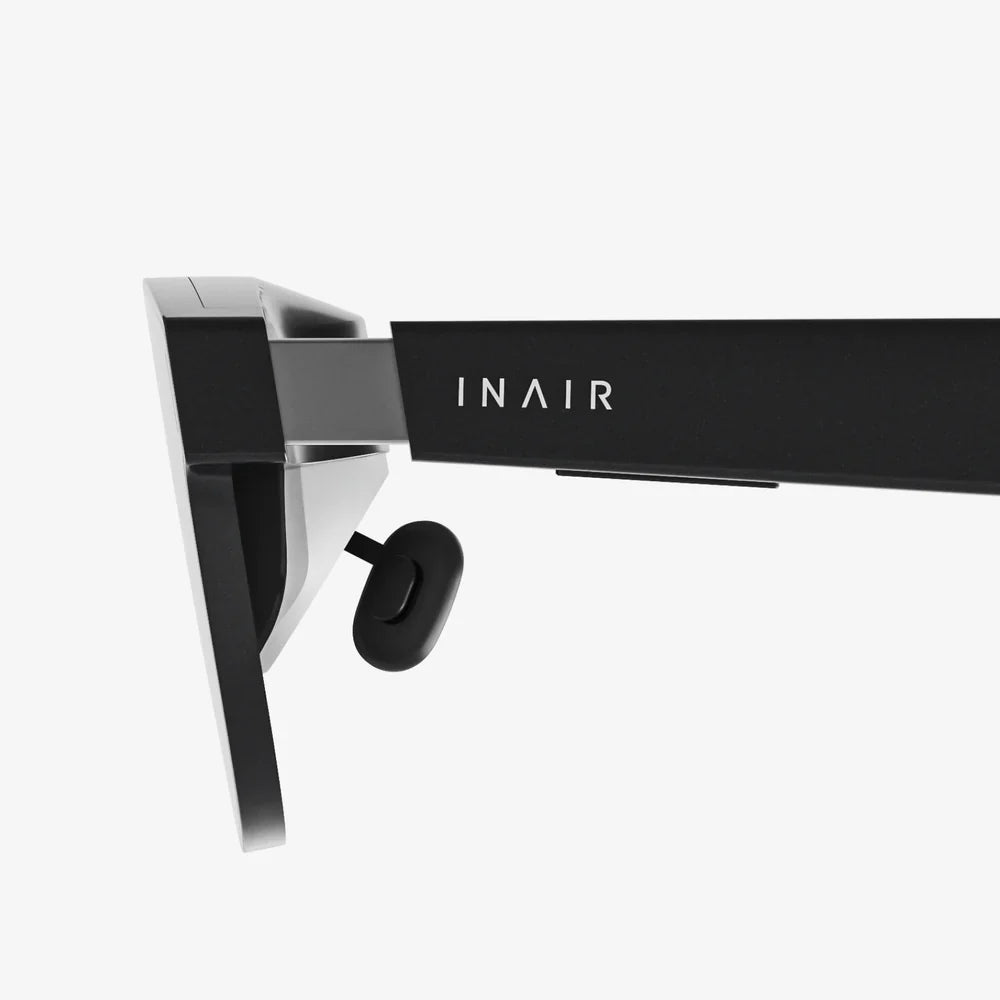
Imagine stepping into a virtual meeting room with colleagues from across the globe, exploring ancient Japanese temples without leaving your home, or undergoing specialized training with lifelike precision—all through a sleek, affordable headset. The year 2025 is poised to be a watershed moment for virtual reality in Japan, not just for the groundbreaking technology it promises, but for the dramatic shifts in VR headset price that will finally bring this futuristic experience into the mainstream. The question on everyone's mind in the Japanese market is no longer just "what can it do?" but increasingly, "how much will it cost?" This comprehensive guide delves into the complex economic, technological, and consumer forces that will define VR headset price in Japan for 2025, offering a clear-eyed forecast for eager consumers and tech enthusiasts alike.
The Current Landscape: A Foundation for 2025
To understand where VR headset prices are headed, one must first appreciate the present state. The Japanese VR market, like many others, is currently stratified into distinct tiers. The high-end segment is dominated by powerful, tethered devices that offer the pinnacle of graphical fidelity and performance, commanding a premium price that places them out of reach for the casual user. The mid-range is a battleground of standalone devices, offering a compelling balance of convenience and capability. Finally, the entry-level market is served by more basic models and a growing number of smartphone-based solutions, which lower the barrier to entry but often at the cost of a fully immersive experience. This tiered structure, influenced by import costs, domestic competition, and consumer purchasing power, sets the stage for the evolution we anticipate in 2025.
Key Drivers Influencing VR Headset Price in Japan 2025
The pricing of any technological product is never arbitrary. It is the result of a complex interplay of factors, and VR headsets are no exception. For the Japanese market in 2025, several critical drivers will dictate final consumer prices.
Technological Advancements and Component Costs
The single biggest factor affecting cost is the rapid pace of innovation. By 2025, we expect several key components to have evolved significantly:
- Displays: The shift from standard LCD to Micro-OLED and even Micro-LED panels will offer higher resolutions, better pixel density, and improved contrast ratios. While initially expensive, economies of scale and improved manufacturing yields are expected to bring these costs down by 2025, potentially making high-resolution displays standard even in mid-tier models.
- Processors: Next-generation chipsets built on more efficient architectures will deliver desktop-level performance in standalone units. The R&D for these chips is immense, but once amortized over millions of units, the per-unit cost can decrease, benefiting the consumer.
- Optics: Pancake lenses are already replacing Fresnel lenses in new models, allowing for slimmer and lighter headsets. This technology is more complex to produce but eliminates the need for heavy components, reducing shipping and material costs. Further innovation in varifocal and light field technology could begin trickling into premium models, maintaining a high-price ceiling for the cutting edge.
Market Competition and Product Segmentation
Japan's tech market is notoriously competitive. As the VR ecosystem expands, we will see an intensification of this competition. New entrants, particularly from other parts of Asia, will challenge established players, forcing more aggressive pricing strategies. Furthermore, companies will continue to refine their product segmentation. We can expect a clear delineation between:
- Flagship Prosumer Models: Featuring every possible advancement (eye-tracking, facial expression capture, hyper-realistic avatars) with prices reflecting their premium status.
- Mainstream Standalone Devices: The workhorses of the VR world, offering excellent performance for gaming and social applications at a mass-market price point.
- Entry-Level and Specialized Devices: Perhaps focused solely on media consumption or specific enterprise training tasks, offered at a highly accessible cost to maximize market penetration.
Economic Factors: Yen Fluctuation and Supply Chain
The Japanese Yen's performance against the US Dollar and other currencies will be a paramount concern for 2025 pricing. A significant portion of electronics components and finished goods are priced in dollars. A weaker yen would make importing headsets and their parts more expensive for Japanese distributors, a cost that would likely be passed on to consumers. Conversely, a stronger yen could lead to more favorable pricing. Additionally, the stability of global supply chains, which have been volatile in recent years, will be crucial. Localized assembly or manufacturing within Japan could insulate the market from some of these shocks and potentially lead to more stable pricing.
Software, Services, and the Ecosystem Lock-in
It is critical to remember that the headset itself is often a gateway to a closed ecosystem of software, services, and subscriptions. The business model for many companies is not solely to profit from the hardware sale but to create a recurring revenue stream from their digital storefront. In 2025, we may see more aggressive hardware pricing—even selling at a loss—to quickly build a large user base that is then monetized through software sales, subscription services for cloud storage and exclusive content, and professional enterprise solutions. This "razor and blades" model could make the initial VR headset price in Japan appear very attractive, though the total cost of ownership over time must be considered.
Price Forecast for Japan 2025: A Tiered Breakdown
Based on the drivers above, we can project a likely pricing structure for the Japanese market in 2025. All figures are approximate and in Japanese Yen.
Entry-Level VR Headsets (¥20,000 - ¥40,000)
This tier will consist of older generation standalone models sold at a discount and new, purpose-built devices for media consumption and casual social interaction. They will feature adequate but not stellar performance, likely using processors and displays from previous flagship cycles. Their goal is to be as impulse-buyable as a games console, targeting families and first-time users. Expect a strong focus on content bundles (e.g., including popular game credits or streaming service subscriptions) to enhance perceived value.
Mid-Range / Mainstream Standalone (¥50,000 - ¥90,000)
This will be the most competitive and popular segment. For a price comparable to a high-end smartphone, consumers will get a sophisticated, all-in-one device capable of high-fidelity gaming, productive work applications, and seamless social experiences. These headsets will feature the technological advancements of 2025 (improved resolution, better comfort, inside-out tracking) as standard. This is the sweet spot for the average consumer and will represent the "average" VR headset price in Japan for 2025.
High-End / Enthusiast & Professional (¥120,000 - ¥250,000+)
The sky is the limit for the premium tier. These devices, potentially tethered to powerful PCs or featuring their own ultra-high-end processors, will be aimed at professional developers, hardcore gamers, and enterprise clients. They will incorporate experimental technologies like advanced haptics, photorealistic rendering, and neural interface sensors. Their price will reflect their niche, low-volume production and cutting-edge R&D costs. They will not be for everyone, but they will define the upper boundary of the market.
Strategic Advice for Japanese Consumers in 2025
Navigating this market in 2025 will require a savvy approach. Here’s how to ensure you get the best value for your yen:
- Define Your Use Case: Are you a gamer, a social user, a professional, or a media consumer? Your primary activity will dictate the necessary tier. There's no need to pay for professional-grade eye-tracking if you only plan to watch VR movies.
- Look Beyond the Sticker Price: Investigate the total cost of ownership. Does the platform have a subscription fee? How expensive are the must-have apps and games? Are there accessory costs for full functionality (e.g., additional trackers, better straps)?
- Consider the Ecosystem: Your choice of headset may lock you into a specific digital ecosystem. If you have friends on a particular platform or have already invested in software from one store, it often makes sense to stay within that walled garden, even if a competing headset is slightly cheaper.
- Wait for Key Sales Periods: Traditionally, new technology sees price drops around major Japanese shopping periods like Obon, Golden Week, and especially New Year sales. If you can wait, significant savings can be found.
- Explore Enterprise Channels: For professionals or small businesses, it may be worth investigating enterprise sales programs, which can offer bundled software, bulk discounts, and dedicated support, even for hardware identical to consumer models.
The Long-Term Value Proposition
Ultimately, the discussion around VR headset price in Japan for 2025 is about more than just yen and sen. It's about value. The devices arriving in 2025 will be transformative tools. They will be portals to new forms of education, remote work, healthcare, and social connection. The initial investment must be weighed against the potential benefits: saving on commute costs and time through effective virtual offices, accessing unique educational experiences, or enjoying unparalleled entertainment. The price is the ticket to entry, but the value is the world it unlocks.
The trajectory is clear: the cost of admission to the virtual world is plummeting while the experience it offers is soaring in quality. For Japanese consumers, 2025 represents the year that VR transitions from a niche hobby to a central pillar of the digital lifestyle. The fierce battle for your living room will be fought not just with specs and features, but with the most compelling and accessible price points the market has ever seen. The virtual future is almost here, and it's being designed for everyone.
Share:
What Was the First Ever VR Headset - The Pioneers of Virtual Reality
What Was the First Ever VR Headset - The Pioneers of Virtual Reality