


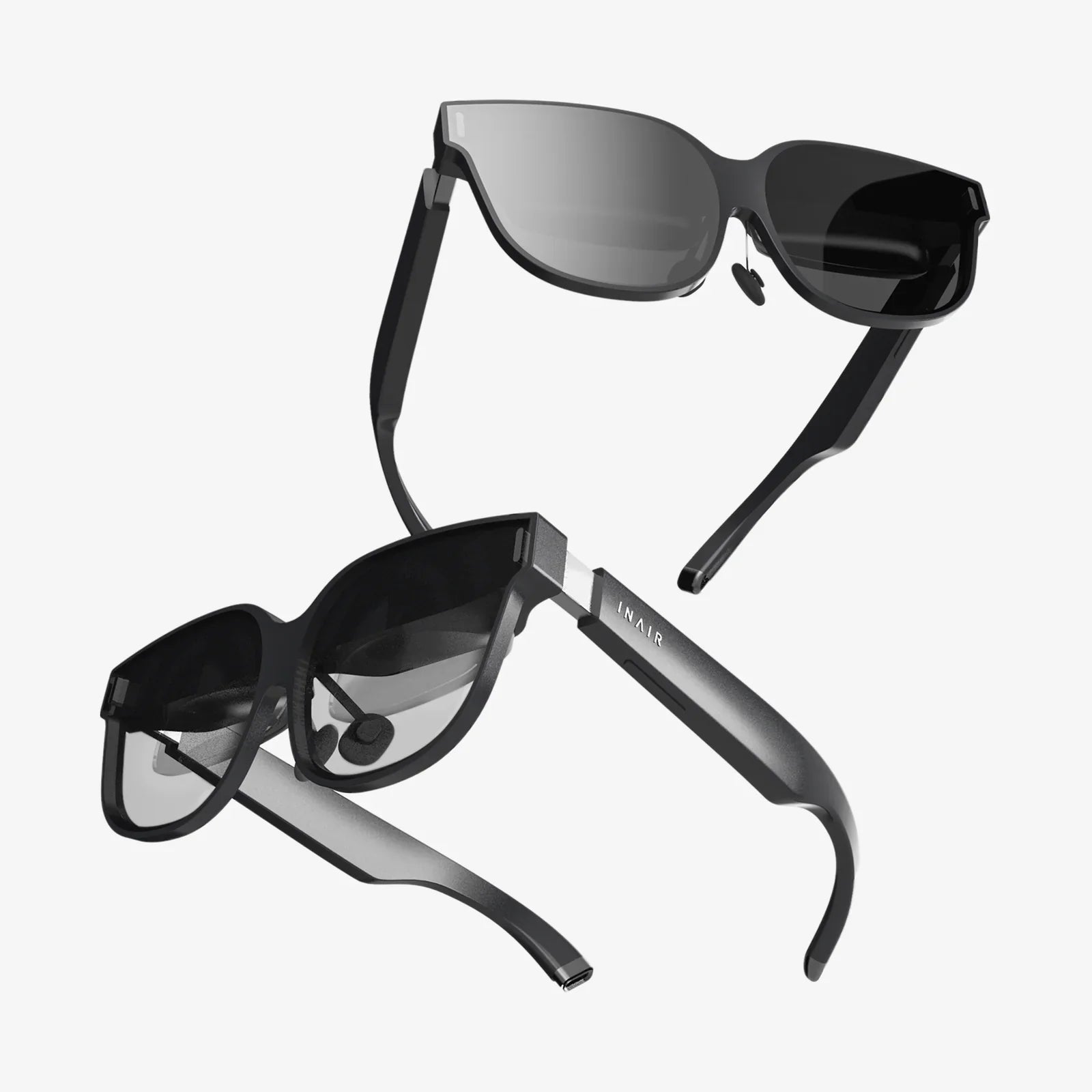
Imagine slipping on a sleek visor and stepping into a hyper-realistic virtual meeting, a breathtaking alien landscape, or a heart-pounding game—all without emptying your bank account. The year 2025 is poised to be a watershed moment for virtual reality, not just in technological achievement, but in accessibility. The burning question on everyone's mind is no longer just what these devices can do, but how much they will cost to bring these experiences home. This definitive guide to the VR headset price list for 2025 will demystify the market, decode the technology behind the tags, and empower you to find the perfect gateway to new worlds.
The 2025 VR Landscape: A Market Maturing at Warp Speed
The virtual reality industry has evolved from a niche curiosity for tech enthusiasts into a sprawling, competitive ecosystem. By 2025, the market has firmly segmented itself, catering to a diverse range of users, from casual media consumers to enterprise professionals and hardcore gamers. This maturation is the primary driver behind the wide spectrum of prices we see today. Manufacturers are no longer competing solely on raw specifications; they are battling over user experience, software ecosystems, and, most critically, value propositions. Understanding these market segments is the first step to deciphering any price list.
Decoding the Cost: What You're Really Paying For
When you look at a price tag for a VR headset in 2025, it's a sum of numerous advanced components and extensive research. The single most significant cost driver remains the display technology. High-resolution Micro-OLED and advanced LCD panels offering 4K+ per eye resolution, combined with refresh rates pushing 120Hz and beyond, are expensive to produce. Furthermore, the shift to pancake lenses for a slimmer form factor adds to the cost but is now expected in all but the most entry-level devices.
Next comes the sensory suite. Inside-out tracking, which uses multiple high-resolution cameras to map your environment and track your controllers, is now standard. The computational power required for this, often provided by a dedicated onboard processor, is a significant cost factor. Add to this eye-tracking technology, which is crucial for foveated rendering (a massive performance enhancer) and social presence, and you add another layer of expense. Finally, the build quality, materials, and inclusion of features like haptic feedback in the headset itself all contribute to the final manufacturer's cost.
The Budget Tier: Entry-Level VR (Under $300)
This tier is dominated by standalone headsets that prioritize accessibility and a curated experience over raw power. The devices here are often powered by smartphone-grade processors and feature lower-resolution displays, often using Fresnel lenses instead of the newer pancake design. They are typically made from lighter, less premium materials like plastic.
What to Expect: These headsets are perfect for first-time users, families, and those interested in media consumption, social VR, and casual gaming. The performance is adequate for a fun, engaging experience but will show its limitations with graphically intensive applications. The software libraries are often more controlled.
Price Justification: The low price is achieved through older-generation components, a more modest feature set (often lacking eye-tracking), and a business model that may be subsidized by the parent company's broader ecosystem (e.g., app store sales, media subscriptions).
The Mainstream Tier: The Sweet Spot ($300 - $800)
This is the most competitive and popular segment of the 2025 market. Here, you find the workhorses of the VR world—devices that offer an excellent balance of performance, comfort, and features without a stratospheric price. This tier is almost exclusively the domain of advanced standalone headsets, many of which can also connect to a powerful computing device for an enhanced experience.
What to Expect: High-resolution displays, pancake lenses for a compact design, a robust library of games and applications, and improved comfort for longer sessions. Features like full color passthrough for Augmented Reality experiences and basic hand-tracking are now standard in this tier. This is the recommended starting point for most serious users and enthusiasts.
Price Justification: You are paying for cutting-edge, but not experimental, technology. The economies of scale for these devices are significant, helping to lower costs. The price reflects premium materials, better controllers, and the extensive R&D required to perfectly balance performance, battery life, and thermal management in a self-contained unit.
The High-End Tier: Enthusiast & Prosumer Grade ($800 - $1500+)
This tier is for those who demand the absolute best visual fidelity, performance, and features. It includes both ultra-premium standalone headsets and dedicated PC-connected headsets. The devices here are often the flagship products of major tech firms, showcasing what is technologically possible.
What to Expect: State-of-the-art displays with minimal screen-door effect, wide field of view, advanced eye-tracking with dynamic foveated rendering, high-fidelity built-in audio solutions, and premium construction using materials like magnesium alloy and carbon fiber. They often feature the best-in-class passthrough cameras for mixed reality.
Price Justification: The cost reflects the use of components that are at the bleeding edge of consumer technology. The low production volume of these niche products doesn't benefit from the same economies of scale as the mainstream tier. You are also paying for the pinnacle of industrial design, superior comfort systems, and often, early access to experimental software features.
The Professional / Enterprise Tier: Beyond Consumer Pricing ($2000+)
This segment exists in a different realm altogether. These are not gaming devices; they are professional tools designed for specific industrial, medical, military, and architectural applications.
What to Expect: Specifications that dwarf consumer models, including ultra-high-resolution displays for reading fine text, specialized tracking systems for pinpoint accuracy, and customized software suites. They prioritize reliability, security, and compatibility with professional workflows over consumer-friendly aesthetics or game libraries.
Price Justification: The price is a function of extremely low-volume production, specialized R&D, ruggedized components, and enterprise-level support and warranties. For the businesses that use them, these headsets are a capital investment that solves expensive problems or creates new opportunities, justifying their high cost.
Hidden Costs: The Full Picture of VR Ownership
Any discussion of a VR headset price list is incomplete without considering the total cost of ownership. The headset itself is often just the beginning.
- Software and Games: Premium VR titles can cost between $30 and $70, similar to flat-screen games. Subscription services for VR fitness or social platforms are also becoming common.
- Accessories: The must-have accessory is often a secondary battery pack for extended standalone use. Other common additions include prescription lens inserts, premium facial interfaces for comfort, specialized controllers for simulation games, and carry cases.
- The PC (For PC-Connected VR): If you opt for a headset that requires a computer, the real investment is the gaming PC itself, which can easily add $1,000 to $2,000 or more to your total setup cost to meet recommended specifications.
Future-Proofing Your Investment: What to Look For
With technology evolving rapidly, making a smart purchase in 2025 means looking ahead. Prioritize headsets with strong support from established platforms, ensuring a long life of software updates and new content. Consider devices that are part of a broader ecosystem, whether that's a console family or a digital storefront, as this often leads to better long-term value. While it's impossible to truly future-proof, opting for a headset with the latest connectivity standards (like Wi-Fi 6E/7 for wireless streaming) and modern features like eye-tracking will keep your device relevant for longer.
The VR headset price list for 2025 tells a story of a technology that has finally arrived for the masses. From the surprisingly capable budget options to the breathtaking power of professional systems, there has never been a better or more confusing time to dive in. The barrier to entry has crumbled, but the ceiling of possibility has soared to new heights. Armed with this knowledge of what drives cost and where the value truly lies, you are now ready to make an informed decision and invest in your own portal to the future. Your journey into the virtual frontier awaits, and it's more affordable and incredible than you ever thought possible.
Share:
What Age Can a Child Use a VR Headset? The Essential Guide for Parents
Internet Glasses UK: The Ultimate Guide to Buying Eyewear Online