


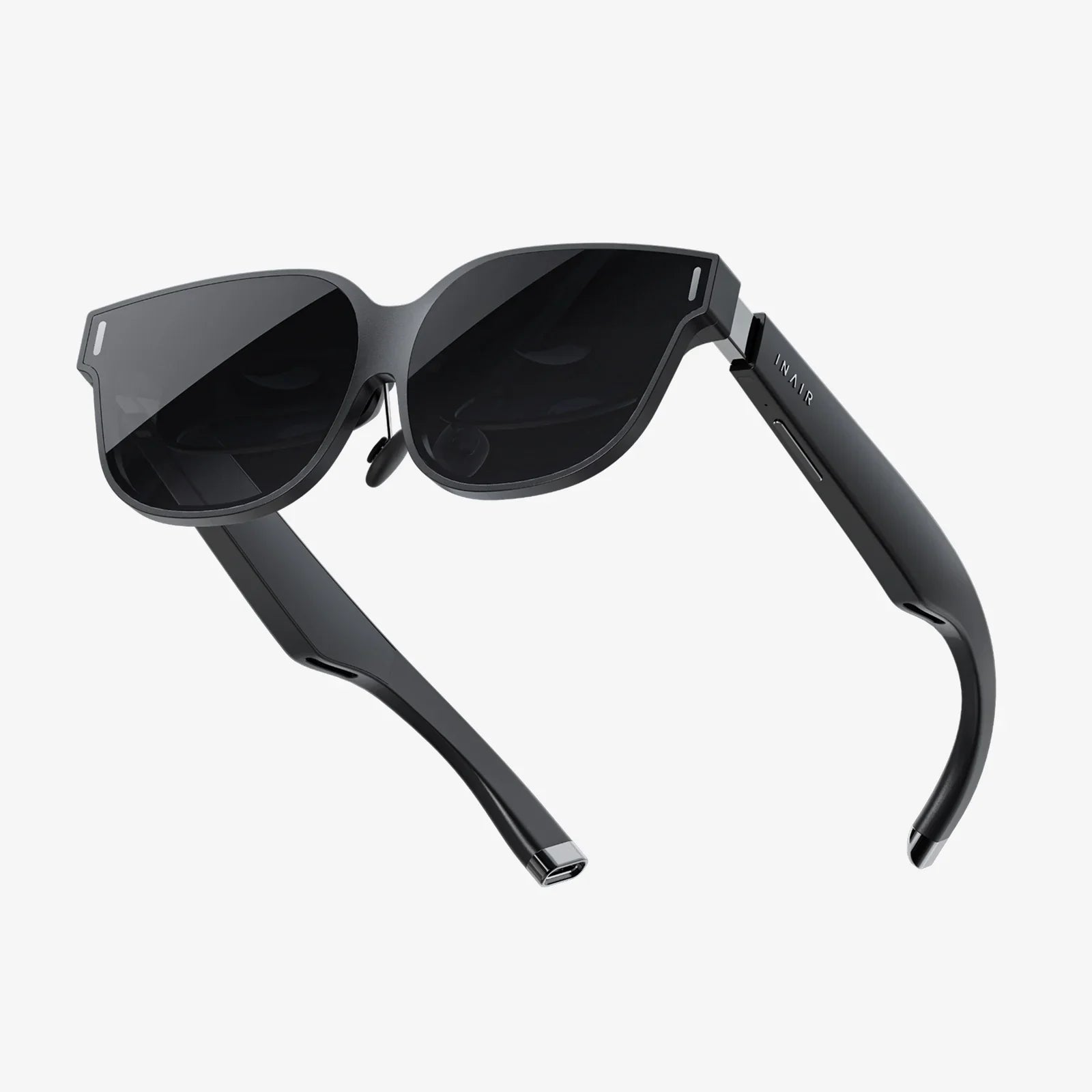
Imagine stepping into a new reality, a digital frontier limited only by imagination, all from the comfort of your living room. The gateway to these experiences, the virtual reality headset, is poised for a transformative year in 2025, but the burning question for most isn't just about the specs—it's about the cost. Will the next generation of immersive technology remain a luxury, or will it finally achieve mainstream affordability? The answer is complex, exciting, and pivotal for the future of computing. The journey to understanding the VR headset price range in 2025 is a deep dive into the very forces shaping our technological destiny.
The Current Landscape: A Foundation for Forecasting
To accurately predict where VR headset pricing is headed, we must first understand its present state. The market is currently stratified into three distinct tiers, a structure that is likely to evolve rather than disappear.
The most accessible point of entry is the mobile VR tier. These headsets, which leverage the processing power of a smartphone, have largely faded from the spotlight dominated by more capable devices. Their legacy, however, is a baseline expectation for low-cost, introductory experiences.
Dominating the market share and consumer mindshare is the standalone VR tier. These all-in-one devices, with their integrated displays, processors, and batteries, represent the current sweet spot for convenience and performance. Their pricing has solidified in a mid-range bracket, making them a significant but considered purchase for the average consumer.
At the apex sits the PC-powered VR tier. These headsets are uncompromising performance beasts, delivering the highest fidelity visuals, advanced tracking, and the most immersive experiences. This elite performance comes with an elite price tag, reflecting not only the cost of the headset itself but also the high-end computer required to power it.
Technological Catalysts: Driving Cost Up and Down
The single greatest factor influencing the 2025 VR headset price range will be the rapid advancement and subsequent commoditization of key technologies. The components inside the headset are on a trajectory of getting both better and cheaper.
The Display Arms Race
Visual fidelity is paramount to immersion, and the push for higher resolution, faster refresh rates, and superior pixel persistence will continue. By 2025, Mini-LED and Micro-OLED displays are expected to become more common, offering perfect blacks, vibrant colors, and high resolution that drastically reduces the "screen-door effect." While these displays are currently expensive, manufacturing efficiencies and increased competition among panel suppliers will drive prices down, allowing them to trickle into mid-range devices. The widespread adoption of these panels will push older LCD tech into the budget category, creating a clearer visual differentiation between price tiers.
The Processing Power Paradigm
Standalone headsets are only as good as the silicon inside them. The next generation of custom-built processors, likely on a more advanced 4nm or even 3nm process node, will deliver a monumental leap in performance. These chips will enable richer, more complex virtual worlds with sophisticated physics, advanced AI, and stunning graphics that approach console-quality, all untethered. As with any semiconductor, initial costs are high but decrease with volume production and manufacturing maturity. This increased efficiency means manufacturers can offer more power for the same price or even lower the cost of entry-level standalone models.
The Lens of the Future
Bulky, blurry Fresnel lenses are being phased out in favor of sleek, crisp pancake lenses. This shift is critical for the form factor, allowing for much thinner and lighter headsets. While more complex to produce, the tooling and processes for pancake optics will be refined and scaled by 2025, reducing their premium and making them a standard feature across most mid-to-high-end devices. This will improve comfort and visual clarity without necessarily adding a significant cost burden.
Market Forces and Strategic Pricing
Technology doesn't exist in a vacuum. The business strategies of major players will be just as influential in determining the 2025 VR headset price range as the components themselves.
The Platform Play: Subsidizing Hardware for Software
The most powerful strategy for driving down consumer cost is the platform model. Here, the headset is not the primary profit center; it is the gateway to a closed ecosystem of software, services, and digital storefronts. A company can choose to sell hardware at or near cost, knowing it will recoup the investment and generate substantial profits through a 30% cut of every app, game, and experience sold. This model has proven incredibly effective in gaming consoles and is a central tenet of the standalone VR market. In 2025, as these platforms mature and user bases grow, we can expect this strategy to intensify, potentially leading to even more aggressive pricing on hardware to capture market share and lock users into an ecosystem.
Competition Breeds Affordability
The VR landscape is no longer a niche with one or two players. It is becoming a crowded, competitive battlefield. This competition is the consumer's best friend. As companies vie for dominance, they will be forced to compete not only on features and performance but also on price. This will put downward pressure on the entire market, pushing manufacturers to find efficiencies and offer more compelling value propositions. We can expect to see more frequent sales, bundled software offers, and perhaps even subscription models that include hardware, all designed to lower the perceived barrier to entry.
The Enterprise Angle
It's important to remember that the consumer market is only one half of the story. The enterprise and professional VR market operates on a completely different set of rules. Headsets designed for training, design, architecture, and medical applications feature specialized sensors, ultra-high-resolution displays, and ruggedized designs. Their price points, often in the range of high-end laptops, are justified by their professional ROI and will remain in a premium bracket well into 2025 and beyond, largely separate from consumer pricing trends.
The 2025 VR Headset Price Range: A Tiered Forecast
Based on these technological and market factors, we can project a stratified but shifting price range for VR headsets in 2025.
Budget / Entry-Level Tier ($150 - $300)
This tier will consist of two types of devices: last-generation's flagship standalone models, now sold at a significant discount to clear inventory, and new, purpose-built entry-level headsets. These new budget devices will likely make strategic compromises to hit a low price point. They may feature lower-tier displays (but still better than today's budget options), less storage, and a processor one generation behind the flagship models. However, they will offer a competent, fully standalone VR experience, making them perfect for first-time users, families, and educational settings. The goal here is maximum accessibility.
Mainstream Standalone Tier ($300 - $600)
This will be the heart of the market—the equivalent of today's game consoles. For a mid-range price, consumers will expect a premium experience. Headsets in this bracket will feature the latest pancake lenses, high-resolution Mini-LED or OLED displays, ample storage, and powerful new processors capable of delivering compelling and graphically rich experiences. This is the tier where most of the platform wars will be fought, and we may see pricing fluctuate based on aggressive bundling and promotions. This price point represents the best balance of performance, convenience, and value.
Enthusiast / PCVR Tier ($600 - $1,200+)
The high-end market will split into two distinct paths. First, there will be the ultra-premium standalone headsets. These will be the "Pro" or "Elite" models, featuring absolute cutting-edge technology: the highest-resolution Micro-OLED displays, the most advanced processors, enhanced augmented reality capabilities via color passthrough cameras, and premium materials. They will push the boundaries of what's possible in a wireless device.
Second, the traditional PCVR segment will continue to cater to simulation enthusiasts and hardcore gamers who demand the absolute pinnacle of performance. These headsets will boast extreme refresh rates, eye-tracking with foveated rendering, and inside-out tracking with unparalleled accuracy. Their prices will remain high, reflecting their niche, low-volume production and uncompromising performance standards. They will be a luxury product for a dedicated audience.
Beyond the Headset: The Total Cost of Ownership
When considering the VR headset price range for 2025, it's crucial to look beyond the sticker price of the hardware itself. The total cost of ownership includes several other factors.
For standalone headsets, the primary additional cost is software. Premium games and experiences can be a significant investment over time. For PCVR users, the cost is far greater, encompassing the price of a high-end gaming computer capable of running the headset, which can often double or triple the total investment. All users should also consider accessories—additional controllers, prescription lens inserts, upgraded head straps for comfort, and carrying cases—which can add hundreds of dollars to the overall cost.
The year 2025 is shaping up to be a watershed moment for virtual reality. The VR headset price range will reflect a market that is both maturing and expanding. We will see unprecedented value in the mainstream tier, bringing high-quality immersion to millions more users, while the high end will continue to innovate, pushing the limits of technology for those willing to pay a premium. The gateway to virtual worlds is not just opening wider; it's becoming a door that more people than ever will be able to walk through. The dream of ubiquitous, affordable, and transformative virtual reality is finally within reach, and your future self is already there, waiting.
Share:
Can I Use a VR Headset as a Monitor? The Ultimate Guide to Immersive Computing
Extended Reality News: The Dawn of a New Informative Dimension