


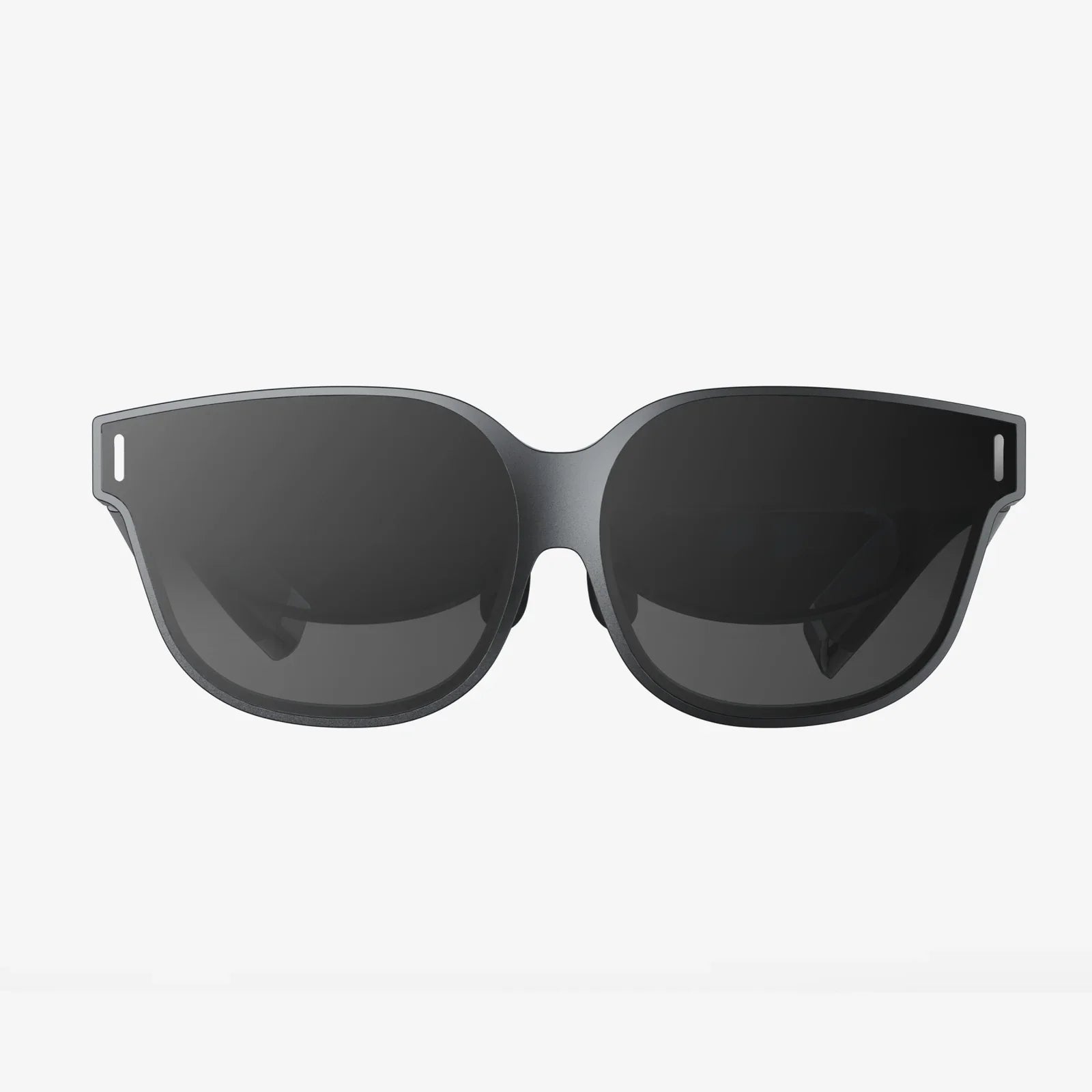
Imagine stepping into another world, battling intergalactic empires, sculpting in three-dimensional space, or touring ancient ruins—all from your living room and without breaking the bank. The dream of high-quality virtual reality is no longer locked behind a prohibitive paywall. The quest for a capable VR headset priced under $500 has evolved from a hopeful fantasy into a tangible reality, offering a gateway to immersive experiences that were once the exclusive domain of high-end enthusiasts. This isn't about compromised quality; it's about the brilliant democratization of technology, bringing breathtaking virtual adventures within reach of millions.
The VR Landscape: More Accessible Than Ever
Just a few years ago, entering the VR ecosystem required a significant investment, not only in the headset itself but also in the powerful computing hardware needed to run it. This high barrier to entry limited VR's growth and kept it niche. However, relentless innovation and increased competition have catalyzed a dramatic shift. Manufacturers have perfected the art of delivering core VR functionalities—high-resolution displays, precise tracking, and intuitive controllers—at increasingly aggressive price points. The result is a vibrant market segment for VR headsets under $500 that punches far above its weight class, offering a compelling blend of performance and affordability.
Understanding the Technology Behind the Price
To appreciate the value proposition, it's crucial to understand what you're getting. Modern affordable VR headsets primarily fall into two categories: standalone and PC-connected.
Standalone VR: All-in-One Immersion
Standalone headsets are the champions of the sub-$500 category. These devices have all the necessary computing hardware, sensors, and batteries built directly into the headset. They are completely wireless, untethered from a computer or console, offering unparalleled freedom of movement. This is achieved through mobile processing chipsets, similar to those found in high-end smartphones, which have become incredibly powerful and efficient. The convenience and accessibility of standalone VR have been the single biggest driver in making the technology mainstream.
PC-VR: Tapping into Raw Power
While standalone units dominate the affordable market, there are also PC-based VR headsets that have dropped into this price range. These devices act as sophisticated displays and sensors but rely on a connected gaming computer to do the heavy graphical lifting. This allows them to deliver exceptionally high-fidelity visuals and run the most demanding VR titles, provided you already own a capable gaming rig. For those with the existing hardware, a sub-$500 PC-VR headset can be an incredible value, offering a premium visual experience.
Key Features to Prioritize in a Sub-$500 Headset
Not all budget-friendly headsets are created equal. When evaluating options within this price bracket, focus on these critical features to ensure you get the best possible experience.
Display Resolution and Lens Quality
The clarity of your virtual world is paramount. Look for headsets with a high combined resolution (often listed as something like 1832 x 1920 pixels per eye). A higher resolution drastically reduces the "screen-door effect" (the visible lines between pixels), making the experience more immersive and comfortable. Additionally, the quality of the lenses, including features like adjustable IPD (Inter-Pupillary Distance), is crucial for achieving a sharp image and reducing eye strain.
Tracking Capabilities: Inside-Out vs. External Sensors
How the headset tracks your movement is a fundamental differentiator. Modern affordable headsets almost exclusively use inside-out tracking. This means cameras mounted on the headset itself observe your environment and track the position of the controllers. It eliminates the need for external sensors placed around your room, making setup effortless and portable. The precision of this tracking has improved dramatically, offering flawless performance for the vast majority of games and applications.
Controllers and Haptic Feedback
The controllers are your hands in the virtual world. They should feel ergonomic, responsive, and accurately tracked. Look for controllers that feature analog sticks, buttons, triggers, and haptic feedback. Haptics provide subtle vibrations that enhance immersion, letting you feel the virtual interactions, from the recoil of a weapon to the impact of a tennis racket hitting a ball.
Content Library and Ecosystem
A VR headset is useless without great software. The value of your device is directly tied to the platform it belongs to. Investigate the available storefronts. The largest platforms boast thousands of titles, including exclusive games, innovative productivity apps, social spaces, and immersive media players. A robust and growing ecosystem ensures you'll have a steady stream of new experiences to enjoy for years to come.
Comfort and Adjustability
Comfort is often overlooked but is essential for long play sessions. A good headset will have adjustable straps (often a rigid halo design or flexible straps), padded interfaces, and balanced weight distribution. Many models also allow for interchangeable facial interfaces, which is great for hygiene and finding a perfect fit.
The Incredible Value of Today's Affordable VR
The experiences available on a sub-$500 headset are nothing short of astounding. This isn't a watered-down version of VR; it's the real deal.
A Gaming Revolution
From rhythm games that double as a intense workout to sprawling RPGs and heart-pounding horror titles, the library of games is vast and diverse. You can be the hero of your own story, wielding lightsabers, solving intricate puzzles, or building and managing your own virtual worlds. The level of engagement and interactivity is simply impossible to replicate on a flat screen.
Beyond Gaming: Fitness, Social, and Productivity
VR's applications extend far beyond entertainment. Fitness apps have exploded in popularity, offering fun and engaging workouts from boxing to dancing. Social platforms allow you to meet friends from around the world in virtual spaces to watch movies, play games, or just hang out as customizable avatars. For productivity, you can have multiple virtual monitors for your computer, design in 3D, or even practice real-world skills like public speaking in a safe, virtual environment.
Making the Right Choice for You
With several excellent options available, your choice will depend on your priorities. If you value absolute freedom, wireless operation, and a simple plug-and-play experience, a modern standalone headset is the undeniable choice. If you are a hardcore gamer with a powerful PC and seek the highest possible visual fidelity for simulation games or detailed adventures, a PC-connected headset in this price range might be the perfect fit. Ultimately, the best VR headset under $500 is the one that best aligns with your intended use, whether that's gaming, fitness, social connection, or creative exploration.
The door to virtual worlds is wide open, and the ticket price is more affordable than you think. With stunning visuals, precise motion tracking, and a universe of content waiting to be explored, today's sub-$500 VR headsets shatter the old notions of what budget technology can achieve. This is your invitation to stop imagining those incredible experiences and start living them—your next great adventure is closer than ever, and it doesn't require a fortune to begin.
Share:
Top Best VR Headset - The Ultimate Buyer's Guide for an Immersive Experience
Where to Find a VR Headset - Your Ultimate Guide to Virtual Reality Shopping