


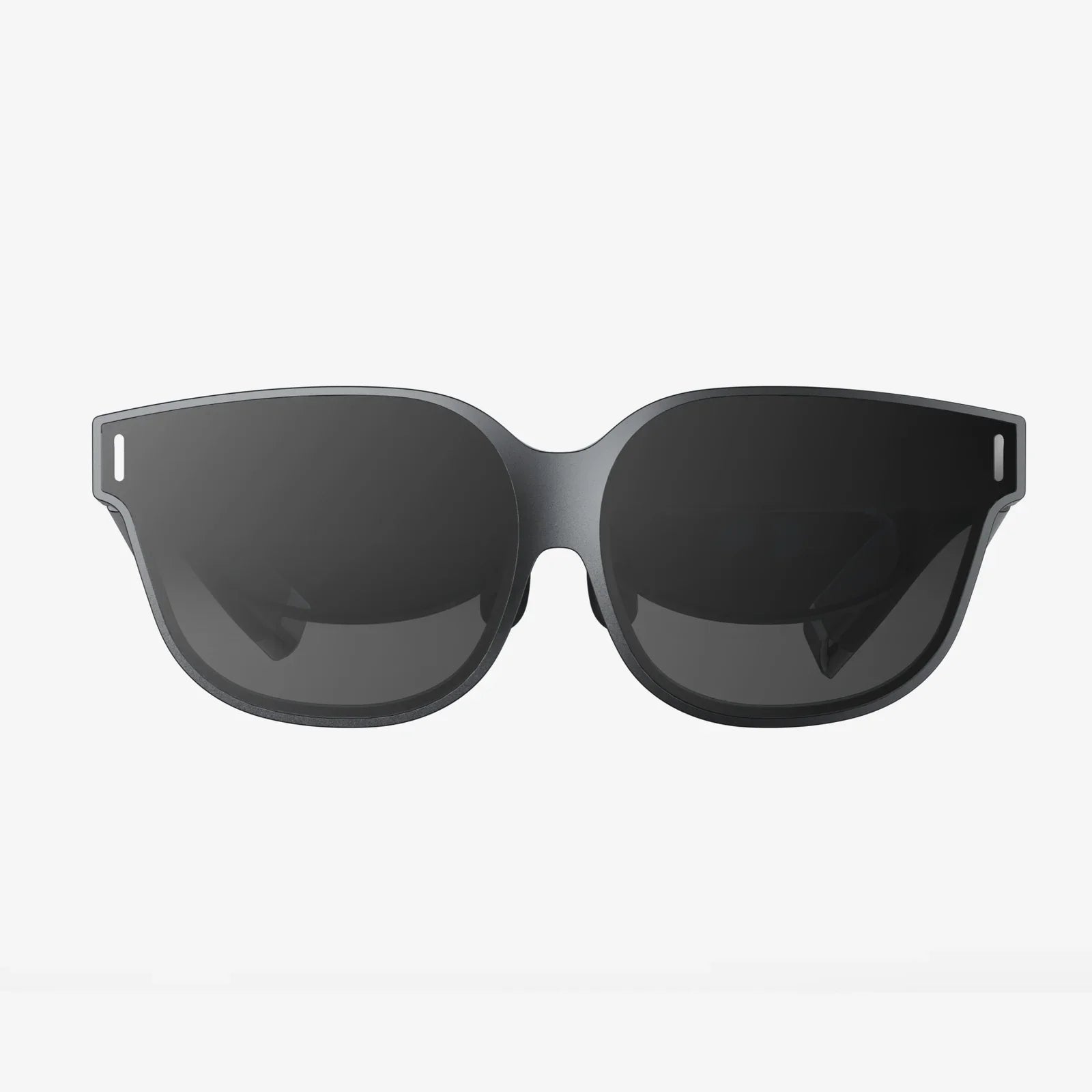
The digital realm beckons with promises of unparalleled adventure, a siren's call to escape the mundane and step into worlds of limitless possibility. With a simple headset, you can scale Everest, explore distant galaxies, or battle dragons in a medieval castle. But as we eagerly strap on these portals to new dimensions, a critical question emerges from the static: at what cost does this immersion come? The journey into virtual reality is one of the most exciting technological developments of our era, yet it is a path that must be navigated with a clear-eyed understanding of the very real VR headset safety concerns that accompany the wonder.
The Physical Realm: When the Virtual World Has Real-World Consequences
The most immediate and tangible risks associated with VR headset use are physical. Unlike watching a television screen, VR completely commandeers your visual and auditory systems, effectively blinding you to your actual surroundings. This sensory hijacking is the source of its magic, but also its most direct physical danger.
Tripping, Falling, and Collision Hazards
Stories of users tripping over furniture, walking into walls, or even falling through glass coffee tables are not mere urban legends; they are documented incidents. The cognitive disconnect between the virtual environment and physical space is profound. While most modern systems incorporate a passthrough camera or "guardian" boundary system, these are not infallible. A moment of intense engagement, a sudden lunge to avoid a virtual obstacle, or a boundary that was set too close to a real-world object can quickly lead to injury. Ensuring a large, clear play area free of tripping hazards is not a suggestion—it is a fundamental requirement for safe operation.
Eyestrain and Visual Fatigue
Our eyes are not naturally designed to focus on a screen mere centimeters from our face for extended periods. VR headsets use lenses to create a comfortable focal distance, but the experience still places a unique strain on the visual system. This can lead to symptoms of computer vision syndrome, including:
- Dry, irritated eyes from reduced blinking
- Headaches
- Blurred vision
- Difficulty focusing after a session
The vergence-accommodation conflict is a core issue. In the real world, our eyes converge (turn inward or outward) and accommodate (change focus) in sync when looking at objects at different distances. In VR, the eyes must converge on a virtual object in 3D space, but must always accommodate to the fixed focal distance of the physical screen. This unnatural decoupling is a primary contributor to visual fatigue and discomfort for many users.
Motion Sickness: The Onset of Cybersickness
Perhaps the most widely reported physical side effect is a form of motion sickness often termed "cybersickness." This occurs when there is a conflict between the visual stimuli presented to the brain and the vestibular system's sense of movement and balance. If your eyes tell your brain you are running, flying, or riding a rollercoaster, but your inner ear reports that you are standing still, the resulting sensory mismatch can trigger a cascade of unpleasant symptoms:
- Nausea
- Dizziness
- Vertigo
- Pallor
- Cold sweats
- General disorientation
While many users develop "VR legs" over time, a significant portion of the population remains highly susceptible. Developers combat this with comfort settings (like reducing the field of view during movement or adding static reference frames), but it remains a significant barrier to entry and a key safety consideration.
The Neurological and Psychological Impact: Altering Perception and Mind
Beyond the physical bumps and bruises, the profound immersion of VR raises deeper questions about its effect on our brains, behavior, and psychological state. The technology's ability to create persuasive, embodied experiences is unprecedented.
Depersonalization and Derealization
Emerging from a long VR session can be a strangely jarring experience. Some users report a fleeting sense that the real world feels artificial or less vivid—a phenomenon psychologists call derealization. Others might experience a brief disconnect from their own body or actions, known as depersonalization. While these episodes are typically temporary, they highlight the powerful effect VR has on our fundamental perceptual and cognitive processes. The long-term neurological effects of regular, prolonged use are still a subject of ongoing research, particularly for children and adolescents whose brains are still developing.
Simulation Sickness and After-Effects
Closely related to cybersickness, the after-effects of VR can linger for hours. Users may report altered hand-eye coordination, a distorted sense of depth perception in the real world, or a vague sense of imbalance. For tasks requiring high precision—such as driving a car or operating machinery—this poses a clear and immediate safety risk. It is strongly advised to allow for a considerable "cool-down" period after an immersive session before engaging in any potentially dangerous activities.
Psychological Triggers and Emotional Contagion
The emotional power of VR is immense. A frightening experience in VR is not just "scary"; it can feel genuinely traumatic because the body responds as if the threat were real. Similarly, experiences designed to evoke empathy or compassion can be far more potent than their flat-screen counterparts. This power must be handled responsibly. For individuals with anxiety disorders, PTSD, or certain phobias, certain VR content could be highly triggering. Conversely, this same power is being harnessed for therapeutic purposes, such as exposure therapy, demonstrating the dual-use nature of the technology.
The Social and Developmental Landscape: A New Digital Divide
As VR evolves from a solitary gaming accessory to a proposed platform for social interaction and work (the so-called "metaverse"), new categories of social and developmental concerns arise.
Children and Adolescent Development
Most headset manufacturers provide age guidelines, often recommending their products for users aged 13 and above. These are not arbitrary. The concerns are multifaceted:
- Visual Development: The impact of prolonged VR use on developing visual systems is not fully understood, leading to a precautionary principle.
- Cognitive and Social Development: There are valid concerns that substituting real-world play and social interaction with virtual equivalents could impede the development of crucial social cues, physical coordination, and an understanding of real-world consequences.
- Psychological Impact: Children may have greater difficulty distinguishing intense virtual experiences from reality, and could be more vulnerable to psychological effects.
Parental supervision, strict time limits, and careful curation of age-appropriate content are non-negotiable for younger users.
Social Isolation and Behavioral Norms
While VR can connect people across vast distances, it does so by physically isolating the individual from their immediate environment. This can potentially exacerbate feelings of loneliness or social anxiety. Furthermore, social VR platforms present new challenges in moderation. The feeling of "presence" makes harassment and abuse feel more personal and invasive than on traditional social media. Establishing social norms, effective reporting tools, and personal boundaries in these nascent digital spaces is a critical safety challenge that platforms are still struggling to address.
Data Privacy and Security: Your Biometric Data in the Cloud
This is perhaps the most insidious and least visible of all VR headset safety concerns. Unlike a smartphone or computer, a VR headset is a biometric data collection machine. It doesn't just track what you click on; it tracks you.
- Eye Tracking: Headsets with this feature can record where you look, for how long, and how your pupils dilate—a rich dataset revealing unconscious attention, interest, and even emotional response.
- Body Tracking: Your movements, gait, and gestures are captured and analyzed.
- Voice Recording: Conversations in social spaces can be recorded.
- Room Data: The detailed 3D map of your home created by the headset's sensors is a profound privacy violation waiting to happen if not properly secured.
This data is incredibly valuable for both improving user experience and for targeted advertising. The security of this deeply personal information, who has access to it, and how it is used constitutes a massive privacy concern. Users must be vigilant about privacy settings, understand the data policies of the platforms they use, and consider the long-term implications of having their most intimate behaviors and reactions recorded and stored.
Forging a Path to Safe Adoption: Guidelines for Users and Developers
Awareness of these concerns is not a call to reject VR technology, but rather a framework for engaging with it responsibly. Safety is a shared responsibility between users, developers, and policymakers.
A User's Safety Checklist
- Environment First: Always set up your play area in a clear, open space. Use the boundary system religiously and ensure it is well-calibrated.
- Time Management: Take regular breaks. The 20-20-20 rule is a good start: every 20 minutes, look at something 20 feet away for 20 seconds. For longer sessions, take a 15-minute break every hour.
- Listen to Your Body: At the first sign of nausea, dizziness, or eye strain, stop immediately. Do not try to "power through" cybersickness.
- Supervise Children: Strictly adhere to age ratings. Engage in co-play when possible and talk to children about their experiences.
- Guard Your Data: Review privacy settings with a fine-tooth comb. Be skeptical about what permissions you grant to applications.
- Re-acclimate: After a session, give yourself time to readjust to the real world before driving or other precision tasks.
The Industry's Responsibility
Developers and platform holders must prioritize safety through transparent design: investing in more robust comfort options, implementing effective and easy-to-use social moderation tools, adopting ethical and transparent data handling policies, and funding long-term academic research into the effects of prolonged use. Ethical design must be at the core of the metaverse's development.
The shimmering promise of virtual reality is not a mirage; it is a genuine glimpse into the future of human connection, entertainment, and work. Yet, like any frontier, it is uncharted and holds unknown perils alongside its treasures. The headset is a tool, and its safety is determined not by the technology itself, but by the wisdom and caution of the person who wears it. By confronting these concerns head-on, we can ensure that our forays into the virtual world enrich our reality, rather than diminish it. The ultimate safety feature is an informed, vigilant, and proactive user, ready to embrace the future without losing sight of the present.
Share:
Best VR for iPhone SE: A Complete Guide to Mobile Immersion
Best Cheap VR Headset for PC 2025: The Ultimate Buyer's Guide to Affordable Immersion