


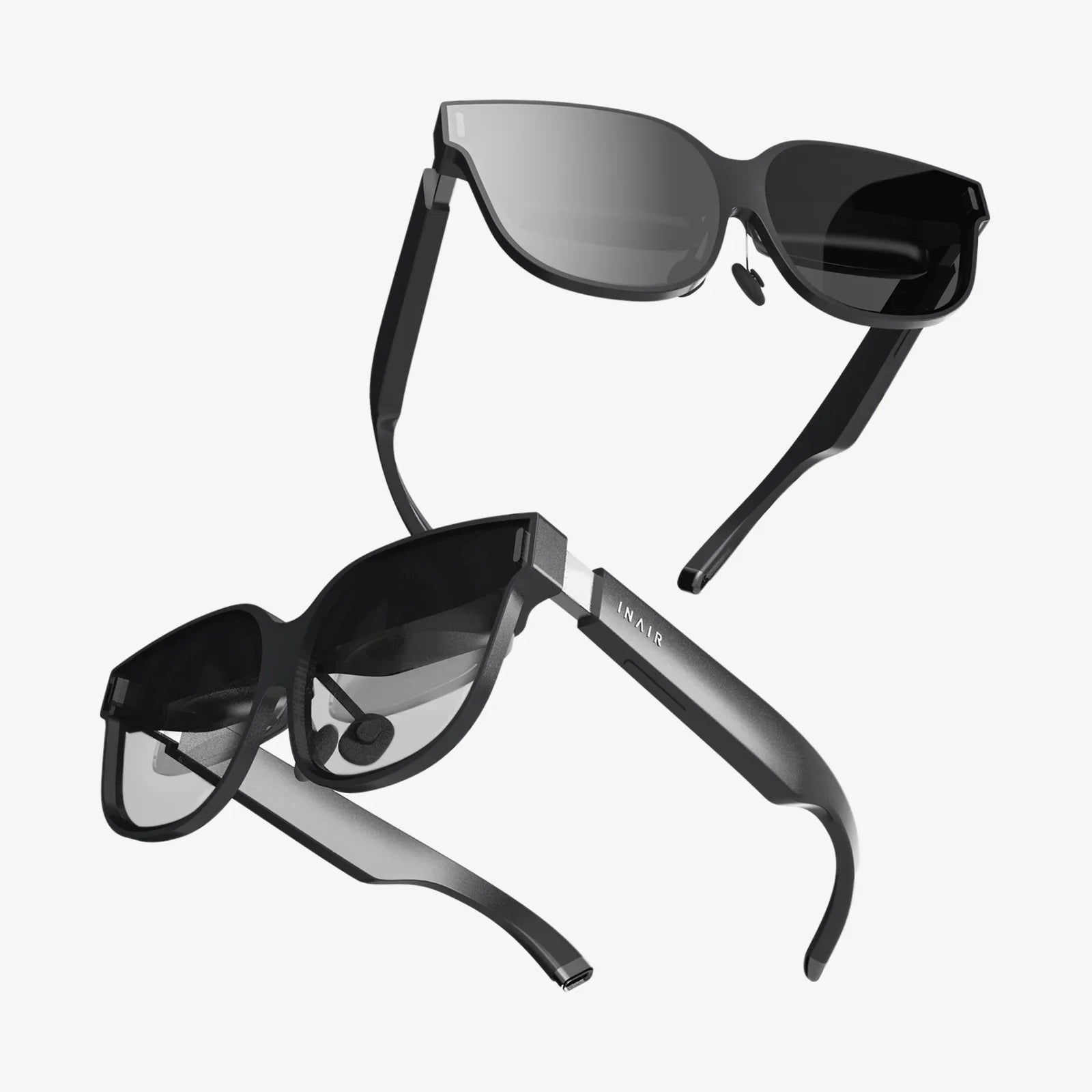
You’ve seen the futuristic commercials, heard the buzz from early adopters, and maybe even experienced it for yourself at a friend’s house or a demo kiosk. But beyond the hype and the sci-fi allure, what is the real state of the virtual reality industry? The numbers tell a story far more compelling and complex than any marketing pitch. The statistics surrounding VR headsets reveal a technology in the midst of a massive, albeit sometimes turbulent, evolution—a revolution quietly unfolding on our faces. From explosive market growth to surprising user demographics, the data paints a vivid picture of where we are and, more importantly, where we are headed in the immersive digital frontier.
The Meteoric Rise: Market Growth and Adoption Statistics
The journey of VR from a niche gaming accessory to a multifaceted tool for work, education, and social connection is best understood through its market trajectory. Just a few years ago, high-quality VR was a prohibitively expensive pursuit for most. Today, the landscape is radically different, and the numbers prove it.
Global market revenue for VR headsets has been on a steep upward climb. Recent industry analyses project the market, valued in the billions, to continue expanding at a compound annual growth rate (CAGR) well into the double digits for the foreseeable future. This growth is not a speculative bubble; it is being driven by a significant increase in hardware shipments. Millions of units are shipped annually, a figure that has consistently risen year-over-year, indicating a steady and growing consumer and enterprise appetite.
This adoption is further underscored by sales statistics, which show distinct spikes correlating with new product launches and key holiday seasons. The installed base of active VR users worldwide now numbers in the tens of millions. This critical mass is essential for developers, encouraging greater investment in software and experiences, which in turn makes the hardware more valuable—a virtuous cycle that fuels further adoption.
Who is Actually Using VR? A Demographic Deep Dive
The stereotypical image of a VR user is often a young, male gamer. While this demographic remains a powerful and core segment of the market, the reality revealed by user statistics is refreshingly diverse. The age distribution of VR users is broadening considerably. Adults between 25 and 44 represent a huge portion of the user base, a group with greater disposable income and interest in applications beyond gaming, such as virtual travel, fitness, and architectural visualization.
Furthermore, the gender gap is narrowing. What was once a 70/30 or 80/20 male-dominated field is steadily moving toward parity. This shift is largely driven by the diversification of content. The rise of social VR platforms, immersive meditation and wellness apps, and creative tools has attracted a more varied audience. Geographic distribution also tells an important story. Adoption rates are highest in North America and Asia-Pacific regions, but European markets are growing rapidly, with emerging economies showing significant potential for future growth.
Under the Hood: Hardware and Specification Trends
The capabilities of the hardware itself are a primary driver of adoption, and the stats surrounding specifications are a testament to rapid innovation. One of the most critical metrics, screen resolution, has seen dramatic improvements. Early consumer headsets offered resolutions that, by today's standards, would be considered blurry and prone to the "screen-door effect." Current-generation devices have effectively eliminated this issue, with resolutions per eye now exceeding 2K and even approaching 4K in high-end models, providing a much crisper and more believable image.
Another pivotal statistic is the field of view (FOV). A wider FOV increases immersion by more closely mimicking human sight. While standard human FOV is around 210 degrees, most headsets have settled into a range between 90 and 120 degrees. Pushing this boundary further remains a key focus for engineers. Furthermore, tracking technology statistics show a decisive move inside-out tracking, where cameras on the headset itself map the environment, eliminating the need for external sensors and making setup drastically simpler for the average consumer. This has been a major factor in reducing the barrier to entry.
The Content Conundrum: Software and Usage Statistics
A headset is merely a window; it's the software that provides the view. Software and content statistics are perhaps the most telling indicator of the industry's health. The number of available applications on major VR marketplaces has exploded, now totaling in the thousands. Gaming remains the undisputed king, representing a significant majority of revenue and user engagement time. However, other categories are gaining ground.
Statistics on user behavior reveal fascinating patterns. The average session length in VR is often longer than many anticipate, frequently exceeding 30 minutes, especially in social apps and immersive games. The types of applications used are also diversifying. Alongside games, categories like video streaming (360-degree videos), social experiences, and fitness applications are seeing substantial user bases. This move beyond pure entertainment into utilitarian and wellness spaces is a sign of a maturing platform.
Beyond the Living Room: Enterprise and Professional Adoption
While consumer adoption grabs headlines, some of the most impactful and valuable use cases for VR are happening in the enterprise sector. Business adoption statistics reveal robust growth in fields ranging from healthcare to automotive design. Companies are investing in VR for training, finding that immersive simulations can teach complex procedures—from surgery to equipment operation—more safely, efficiently, and effectively than traditional methods. Retention rates for training conducted in VR are significantly higher.
Architecture, engineering, and construction (AEC) is another massive adopter. The statistic that matters here is not just headcount, but project ROI. Firms using VR for design visualization and client walkthroughs report reduced revision cycles, faster client approval, and fewer costly errors. The ability to inhabit a space before a single brick is laid is an invaluable tool. These professional applications often utilize higher-end hardware and represent a lucrative, stable market that is less susceptible to the whims of consumer entertainment trends.
Challenges and Barriers: The Stats on What's Holding VR Back
No technological revolution is without its hurdles, and VR is no exception. User survey data consistently highlights several key barriers to mass adoption. The number one issue, often cited by over half of non-users, is cost. While prices have fallen, a quality VR setup still represents a considerable investment compared to other entertainment mediums.
Another significant statistic relates to comfort and accessibility. A substantial portion of users report experiencing cybersickness—a form of motion sickness induced by VR. Tech enthusiasts may power through it, but for the average consumer, it's an immediate deal-breaker. Furthermore, the form factor of headsets is still a barrier; they can be bulky, cumbersome, and isolating. Surveys also indicate that a perceived lack of "must-have" content, beyond a handful of standout games, remains a obstacle for many considering a purchase. The industry is acutely aware of these statistics, and the next generation of hardware is being designed explicitly to address comfort, accessibility, and ease of use.
The Future in Numbers: Projections and Emerging Trends
Based on current trajectories and leading indicators, the future of VR looks immersive. Market forecasts predict not just growth, but a fundamental integration of VR into daily life. The most exciting emerging trend is the convergence of VR with Augmented Reality (AR), heading towards a future of all-encompassing Mixed Reality (MR) devices. Statistics on R&D investment show major tech players betting billions on this unified vision of spatially aware computing.
Another key data point is the anticipated improvement in key hardware metrics. Expectations are for FOV to widen further, resolutions to reach and exceed retinal quality, and breakthroughs in haptic feedback to provide a true sense of touch. Furthermore, the concept of the "metaverse," a persistent network of shared virtual spaces, is moving from science fiction to a tangible goal. User statistics from existing social VR platforms, which already boast millions of monthly active users, provide a compelling proof-of-concept for this larger vision. The data suggests we are not just looking at a new gadget, but at a new platform for human interaction.
Imagine a world where attending a meeting, touring a museum, collaborating on a 3D design, or working out with a personal trainer requires nothing more than putting on a pair of sleek, comfortable glasses. This isn't a distant fantasy; it's the logical conclusion drawn from the current trajectory of VR headset statistics. The data doesn't just chart sales figures; it maps the arrival of a new dimension of human experience, and the journey is just beginning. The next time you see a headline about virtual reality, look past the hype and find the numbers—they are telling the real story.
Share:
Lets Explore VR Headset - A Journey Into Digital Realms and Their Boundless Potential
Best AR Headset Developer Support 2025: The Ultimate Ecosystem Guide for Builders