


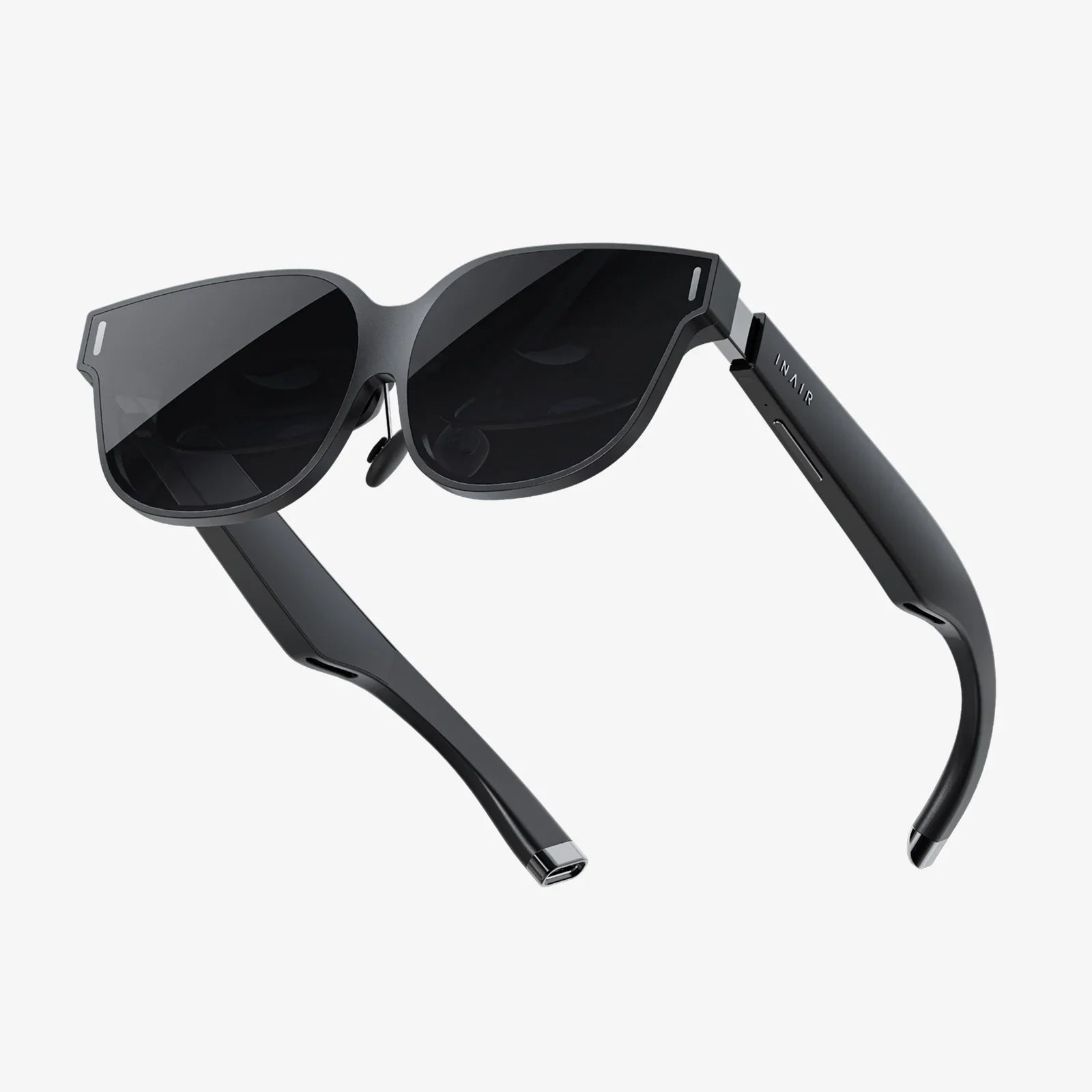
Imagine stepping into a vast virtual world, battling intergalactic empires, or sitting front row at a concert, completely unplugged from the constraints of reality and hardware. This is no longer a scene from science fiction; it’s the breathtaking reality offered by a VR headset that does not need a PC. This technological marvel represents the most significant leap in making immersive virtual experiences accessible to everyone, freeing users from the shackles of cables and powerful, expensive computers. The promise of pure, unadulterated freedom is not just a feature; it’s the very foundation of a new era in computing and entertainment.
The Dawn of a New Reality: Understanding Standalone VR
The concept of virtual reality has been around for decades, but its early iterations were cumbersome, expensive, and required a tether to a massive computing rig. This barrier to entry kept VR in the domain of enthusiasts and professionals. The advent of the standalone VR headset changed everything. But what exactly is it?
At its core, a standalone VR headset is a completely self-contained system. Think of it not as a peripheral, like a monitor or a mouse, but as a complete computer designed specifically for virtual reality. It integrates all the necessary components—processor, memory, sensors, displays, and battery—into a single, wearable device. This all-in-one design eliminates the need for external sensors, a high-end gaming personal computer, or a constant power cable snaking from your head to a wall outlet. The result is an unprecedented level of mobility and ease of use.
The Engine Room: Powering Immersion from Within
The magic of a self-sufficient VR device lies in its miniaturized, yet incredibly powerful, internal architecture. Packing enough computational power to render two high-resolution displays at a smooth 90 frames per second (or higher) is a monumental engineering challenge.
- System-on-a-Chip (SoC): The heart of any standalone headset is a specialized SoC. These are not standard mobile processors; they are often custom-designed or heavily modified variants that prioritize graphics processing (GPU) and artificial intelligence (AI) tasks essential for a smooth VR experience. They handle everything from rendering complex 3D environments to performing the intricate calculations for positional tracking.
- Inside-Out Tracking: This is the technology that enables true freedom. Instead of relying on external cameras or sensors placed around the room (outside-in tracking), standalone headsets use multiple wide-angle cameras mounted on the device itself. These cameras constantly scan your physical environment, tracking the position of the controllers and the headset in real-time. Advanced algorithms translate this visual data into precise movement within the virtual space, allowing you to walk, crouch, and dodge without a single external reference point.
- Battery Life: The Trade-Off for Freedom Portability comes with its own set of considerations, primarily battery life. The need to power high-resolution displays, multiple cameras, and a powerful processor means that battery technology is a critical factor. Most devices offer between two to three hours of continuous use on a single charge, which is generally sufficient for most gaming sessions or experiences. The convenience of wireless play often outweighs the need for occasional recharging.
A Universe in Your Headset: The Expansive Content Ecosystem
A platform is only as good as its software, and the content library for untethered VR has exploded in both quantity and quality. The accessible nature of these devices has spurred developers to create a vast array of experiences tailored for a broader audience.
The catalog is diverse, ranging from intense, physically active games that will have you breaking a sweat to incredibly social and creative applications. You can sculpt virtual clay in 3D, attend live events with friends from across the globe, or use guided meditation apps to find your center in a tranquil digital oasis. Fitness has become a massive vertical, with dedicated applications turning workouts into engaging games, tracking your movements, and providing structured routines—all from within the headset.
Furthermore, these platforms are increasingly focusing on non-gaming applications. Virtual tourism allows you to visit famous landmarks, corporate training modules can simulate complex procedures in a safe environment, and educational tools can bring history and science to life in ways a textbook never could. The content is no longer a niche offering but a rich, continuously growing ecosystem that validates the standalone form factor.
Who is it For? The Democratization of Virtual Reality
The elimination of the personal computer requirement fundamentally broadens the appeal of VR. This technology is no longer just for the hardcore gamer with a top-tier rig.
- The Casual User & Family: Its plug-and-play nature makes it perfect for families and casual users. There is no complicated setup process involving driver installations, compatibility checks, or cable management. You simply put on the headset, define your play area, and you're ready to go. This ease of use makes it an attractive option for living room entertainment.
- The Traveler & Minimalist: For those who are constantly on the move or value a clean, cable-free living space, a standalone headset is a dream come true. It can easily be packed in a carry-on bag, transforming a hotel room into a private cinema or gaming lounge without any additional hardware.
- Businesses and Educators: The scalability and simplicity of standalone VR make it an ideal tool for enterprise and education. Deploying a fleet of identical, easy-to-manage headsets for training or classroom use is far more feasible than ensuring every station has a VR-ready computer.
Weighing the Freedom: Considerations and Limitations
While the benefits are profound, it's important to have a balanced perspective. The convenience of an all-in-one system involves certain compromises when compared to a tethered, personal computer-driven experience.
The most notable difference is in raw graphical fidelity. A high-end gaming personal computer equipped with a dedicated graphics card possesses vastly more processing power than a mobile SoC. This allows PC VR to deliver experiences with more complex textures, higher polygon counts, more advanced lighting effects, and greater draw distances. For the most graphically demanding users, this difference is significant.
However, it is crucial to recognize that this gap is narrowing at an astonishing rate. Advances in mobile processing, foveated rendering (which focuses processing power only where the user is looking), and software optimization are allowing standalone headsets to produce visuals that are not only highly immersive but are often more than good enough for the vast majority of users. The trade-off of slightly less detailed graphics for complete wireless freedom is one that millions of users are happily making.
Gazing into the Crystal Ball: The Future is Untethered
The trajectory of the technology points overwhelmingly towards a wireless, integrated future. As mobile processors continue their relentless advance, following Moore's Law, the graphical and computational limitations will continue to fade. We can expect future generations of standalone headsets to feature even more powerful SoCs, higher-resolution displays with better pixel density to combat the screen-door effect, and improved field of view for deeper immersion.
Breakthroughs in battery technology could lead to longer play sessions or swappable battery solutions. Furthermore, the line between standalone and tethered may blur further with technologies like cloud streaming and 5G connectivity, potentially offloading heavy computation to remote servers while maintaining a wireless experience. The focus will be on making the hardware lighter, more comfortable, and more socially acceptable for prolonged use, cementing its role not just as a gaming device, but as a platform for the next generation of social interaction and computing.
The dream of slipping on a single device and instantly being transported to any world, real or imagined, is now a tangible, consumer-ready reality. The VR headset that does not need a PC is more than a convenient gadget; it is the key that has unlocked the door to the metaverse for the masses, proving that the greatest adventures require no wires, no expensive rig, and no limits.
Share:
Raised Make Another AR Headset: The Next Evolution in Augmented Reality
Raised Make Another AR Headset: The Next Evolution in Augmented Reality