


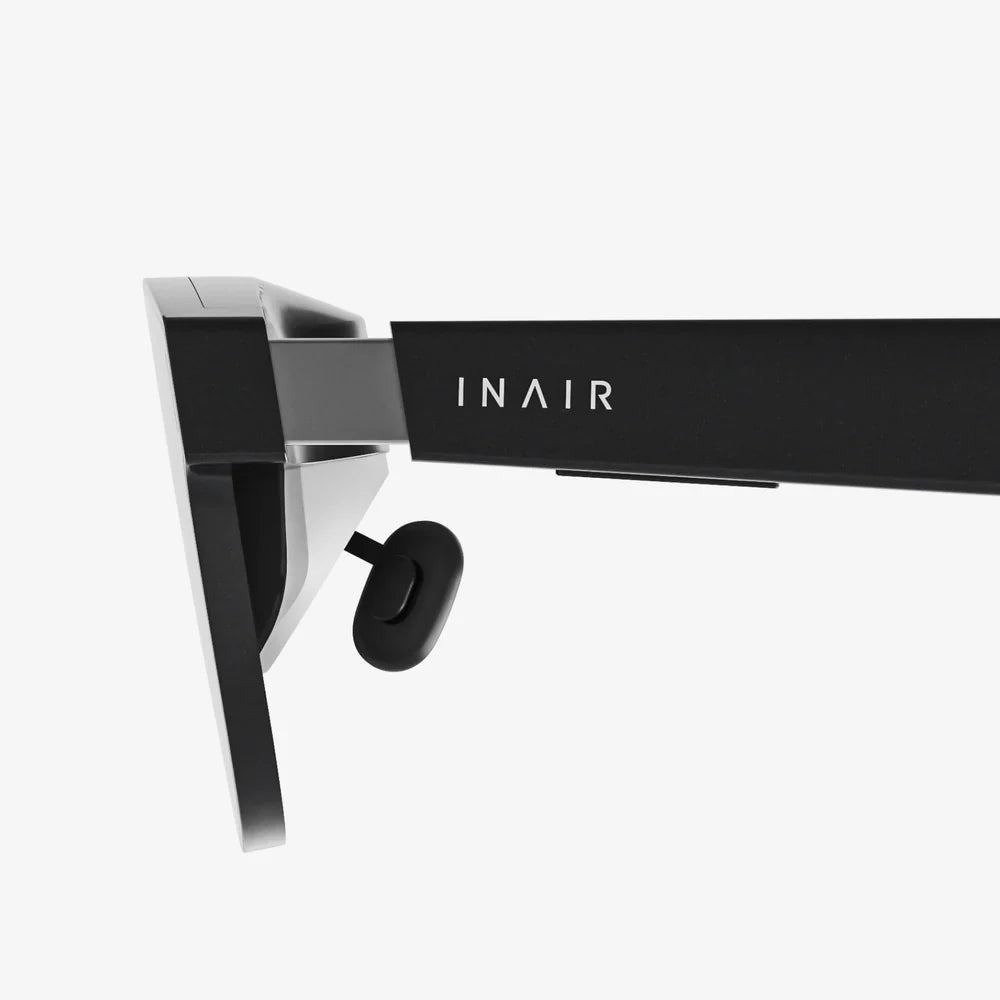
Imagine settling into your favorite chair, but instead of looking at a screen across the room, you’re transported to a private IMAX theater, a front-row concert seat, or even the surface of Mars. This is no longer the stuff of science fiction. The act of using a VR headset to watch videos has quietly evolved from a novel gimmick into a profound shift in how we consume visual media, offering a level of immersion and personalization that traditional screens simply cannot match. It represents nothing less than a revolution in personal entertainment, promising to redefine the very concept of 'movie night' and challenge our long-held notions of what it means to be a viewer.
The Allure of Immersion: Beyond the Flat Screen
For decades, the trajectory of home entertainment has been a straightforward pursuit of bigger, sharper, and flatter displays. We progressed from small CRT tubes to sprawling, wafer-thin 4K and 8K panels that dominate our living room walls. Yet, they all share a fundamental limitation: they are rectangles we look at, windows into another world. Virtual reality shatters that window. When you use a VR headset to watch videos, you are no longer an observer; you are placed inside the environment.
This shift from observation to immersion is the core of VR's magic. It triggers a profound psychological response known as 'presence'—the undeniable sensation of being somewhere else. Your brain, convinced by the high-resolution displays and precise head-tracking, accepts the virtual world as your reality. This is why a nature documentary experienced in VR can feel like a genuine safari, or a space documentary can evoke a tangible sense of awe and scale. The content doesn't just play out in front of you; it surrounds you, creating a deeply emotional and memorable connection that a traditional screen struggles to replicate.
A World of Content at Your Fingertips: The VR Video Landscape
The ecosystem of video content available for VR is vast and rapidly expanding, catering to every conceivable interest. It can be broadly categorized into several experiences:
360-Degree Videos and Photos
This is often the gateway experience. 360-degree content allows you to stand at the center of a recorded event and look in any direction. You can explore the ancient ruins of Machu Picchu, dive with great white sharks, or stand on stage during a live music performance. The agency is yours; you control the viewpoint, discovering new details with every viewing. While early 360 videos suffered from low resolution, modern offerings are stunningly crisp, making the experience truly believable.
180-Degree 3D Videos
A significant step up in quality and immersion, 180-degree 3D videos have become the gold standard for high-end VR experiences. By focusing on a forward-facing field of view, creators can dedicate twice the pixel density to the area you're most likely to look at, resulting in a much sharper and more detailed image. The addition of stereoscopic 3D creates incredible depth, making objects and people feel tangible and real, as if they are right there in the room with you. This format is ideal for narrative films, concerts, and intimate storytelling.
Virtual Desktop and Cinema Environments
Not all VR video watching involves native VR content. One of the most popular uses is through virtual desktop applications. These apps place you in a customizable virtual environment—a cozy cabin, a minimalist theater, a spaceship bridge—and project a giant, two-dimensional flat screen within it. You can then stream your favorite standard movies and TV shows from popular services onto this massive virtual canvas. The sense of scale is incredible; watching a blockbuster on a screen that feels 30 feet wide, from the perfect theater seat, with no distractions, is an experience that rivals most commercial cinemas.
Social Viewing and Shared Experiences
Perhaps the most futuristic aspect of watching videos in VR is the ability to do it socially, regardless of physical distance. Dedicated platforms allow you and your friends to inhabit a virtual theater together. You are all represented by avatars, able to sit next to each other, chat, and react to the film in real time. It transforms a solitary activity into a shared event, replicating the social ritual of going to the movies. This has powerful implications for maintaining long-distance relationships and building communities around content.
The Technical Side: What You Need for the Best Experience
To fully appreciate the potential of a VR headset for video, understanding the key technical factors is crucial. These elements directly impact comfort, immersion, and visual fidelity.
Display Resolution and Clarity
The dreaded 'screen-door effect'—where users could see the fine lines between pixels—was a major barrier to immersion in early headsets. Modern devices have largely eliminated this with high-resolution displays, often exceeding 4K per eye. Terms like Pixels Per Degree (PPD) are becoming more important than raw resolution, as they measure the angular density of pixels from the user's perspective. A higher PPD means a sharper, clearer image where text is readable and distant details are crisp, which is paramount for watching video for extended periods.
Lens Quality and Sweet Spot
The lenses between your eyes and the displays are critical. They focus the image and define the field of view (FOV). Fresnel lenses were common but could cause god rays and glare, especially in high-contrast scenes. Newer pancake lenses offer a larger 'sweet spot'—the area where the image is perfectly clear—and reduce these optical artifacts, leading to a more comfortable and visually pleasing experience for movie-watching.
Comfort and Ergonomics
If a headset is uncomfortable, you won't want to wear it long enough to finish a movie. Key considerations include weight distribution, padding, and strap design. A well-designed headset balances the weight across the head and face, minimizing pressure points. For prolonged video sessions, features like a top strap and a rigid, halo-style design are often preferable to simple elastic straps.
Audio: The Halfway to Immersion
Visuals are only part of the story. Spatial audio is what completes the illusion of presence. High-quality built-in speakers or headphones that support 3D spatial audio allow you to hear sounds as if they are coming from specific points in the virtual space. A character walking behind you in a film will sound like they are actually behind you. This auditory cue is incredibly powerful in selling the brain on the reality of the virtual environment.
Overcoming the Hurdles: Addressing Common Concerns
Despite the incredible promise, the path to mainstream adoption for VR video watching isn't without its challenges.
Content Accessibility and Discovery
While the library is growing, discovering high-quality VR-native content can still be more difficult than browsing a traditional streaming service. Content is often scattered across different platforms and apps. The industry is moving towards better curation and more seamless integration of 2D streaming services within VR environments, making the process smoother.
The Weight and Isolation Factor
Even the most comfortable headset is still a device strapped to your face. It creates a physical barrier to your immediate surroundings, isolating you from the real world. This can be a positive for immersion but a negative for situational awareness. Manufacturers are addressing this with features like high-resolution color passthrough cameras, which allow you to see your physical environment in real-time, blending the virtual and real worlds. This lets you grab a drink or see who just walked into the room without removing the headset.
Battery Life for Untethered Freedom
Standalone wireless headsets offer incredible freedom, but their battery life can be a limiting factor. A typical charge may last 2-3 hours, which covers most movies but can be tight for a binge-watching session. This is improving with more efficient processors and larger batteries, and the option to use while plugged in remains for stationary viewing.
The Future is Playing Out Before Your Eyes
The evolution is rapid. We are already seeing the seeds of the next generation of VR video. Advancements in varifocal displays will mimic how our eyes naturally focus on objects at different distances, reducing eye strain. Haptic feedback suits and accessories will allow you to feel the rumble of a spaceship engine or the vibration of a concert venue. Light field technology promises the ultimate visual fidelity, capturing not just the color and intensity of light but its direction, allowing for perfectly realistic visuals where your eyes can focus naturally anywhere in the scene.
Furthermore, the line between passive viewing and interactive experience will continue to blur. Imagine choosing your own camera angle during a live sports broadcast or walking around the set of your favorite film while it's playing. The narrative itself could become malleable, shaped by your presence and gaze.
The living room television isn't going away, but it now has a formidable competitor. Using a VR headset to watch videos is carving out a new niche for moments when we seek more than just distraction—when we crave adventure, connection, and awe. It fulfills a deep-seated human desire to not just witness a story, but to step inside it. This isn't merely a new way to watch; it's the beginning of a new way to experience.
You've read about the private IMAX, the front-row concert, the journey to Mars. Now, the only thing standing between you and that experience is the decision to put on the headset. The content libraries are stocked, the technology is ripe, and the escape from the ordinary is waiting. Your next favorite film isn't just something to watch; it's a world to be discovered, and it's all playing out in a realm limited only by the imagination of creators and the curiosity of viewers like you. The screen is gone. The experience is everything.
Share:
What Is a VR Headset Used For - Beyond Gaming Into a New Reality
What Is a VR Headset Used For - Beyond Gaming Into a New Reality