


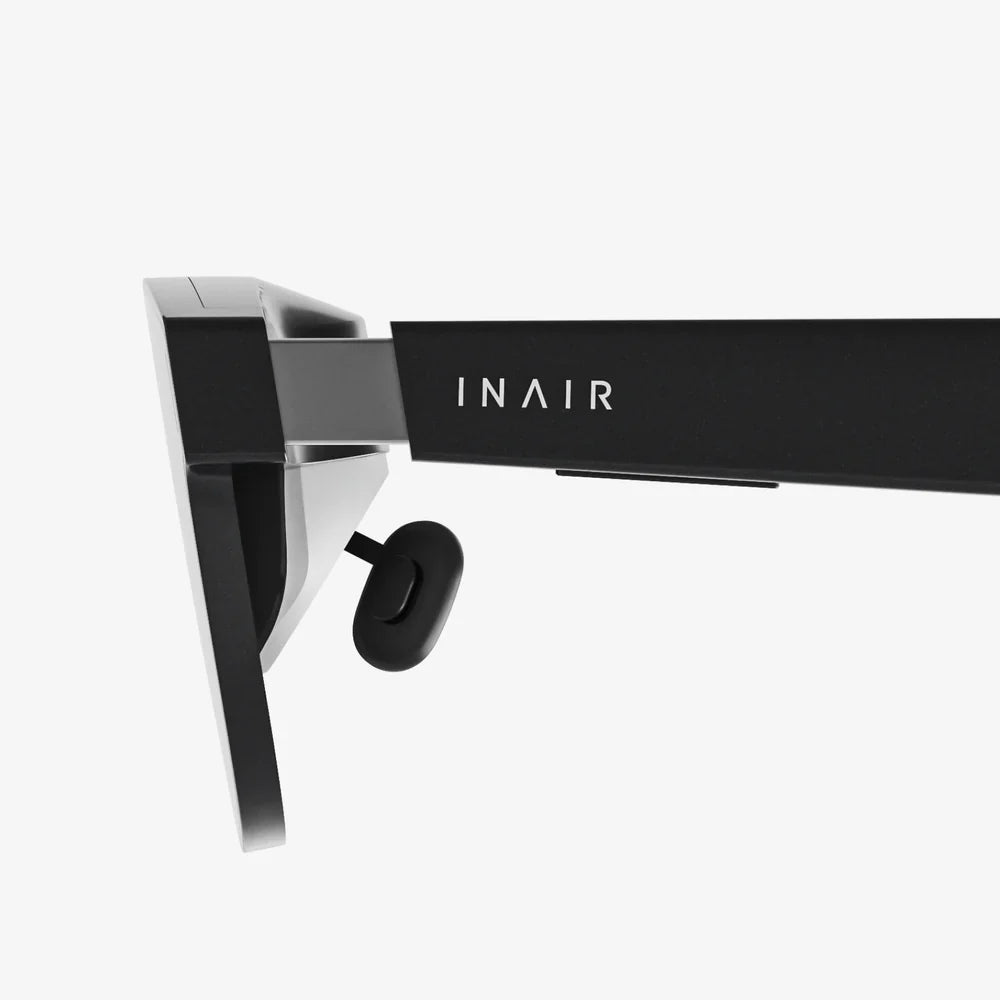
Imagine stepping through your living room wall into a bustling virtual boardroom, attending a live concert from the comfort of your couch with the sensation of being in the front row, or practicing a complex surgical procedure with zero risk to a patient. This is no longer the stuff of science fiction; it is the tangible, transformative power of the VR headset today. The technology has shed its bulky, niche skin, emerging as a sleek, sophisticated, and startlingly accessible portal to new dimensions of experience. The revolution is not coming; it is already here, quietly integrating into the fabric of our daily lives, and it promises to change everything.
Beyond the Hype: The Maturation of Immersive Technology
To understand the VR headset today, one must first look past the initial wave of consumer curiosity that crested several years ago. That period was a public beta—a necessary, sometimes awkward, phase of experimentation and learning. Today's landscape is markedly different. The technology has undergone a quiet yet profound maturation, driven by leaps in processing power, display technology, and a much deeper understanding of user experience (UX) in a three-dimensional space.
The primary drivers of this maturation are:
- Visual Fidelity: Early headsets were plagued by the "screen door effect," where users could discern the gaps between pixels. Modern displays offer resolutions so high that the virtual world appears crisp and continuous, with vibrant colors and deep blacks that sell the illusion.
- Inside-Out Tracking: Gone are the days of complex external sensor arrays that needed precise calibration. Contemporary headsets use sophisticated onboard cameras and sensors to map the physical room and track the user's position within it instantly and accurately, making setup a matter of minutes.
- Computational Power: Whether through powerful standalone processors or seamless, high-bandwidth connections to cutting-edge computers, today's headsets can render incredibly complex and beautiful worlds without the latency that once caused motion sickness.
- Ergonomics and Comfort: Design philosophies have shifted from pure function to a blend of function and form. Lighter materials, better weight distribution, and improved facial interfaces make prolonged use not just possible, but comfortable.
The Hardware Divide: Tethered, Standalone, and the Future
The market for VR headsets today is broadly split into two powerful camps, each serving a distinct purpose and user base.
The Power of Tethered Systems
These headsets act as a high-resolution window, powered by an external computer. This connection allows them to offload the intense graphical workload, enabling experiences of unparalleled depth and visual complexity. They are the domain of hardcore gamers, professional designers, and research institutions where absolute performance is non-negotiable. They deliver buttery-smooth frame rates, stunning textures, and physics simulations that feel real. For the user who demands the absolute pinnacle of virtual immersion, the tethered headset remains the undisputed king.
The Freedom of Standalone Units
This category represents the most significant shift in accessibility. A standalone VR headset is a self-contained computer, display, and tracking system all elegantly integrated into one device. It requires no wires, no external sensors, and no powerful PC. You simply put it on and you're in. This freedom has been the key to mass adoption. It has moved VR out of the dedicated office or gaming den and into the living room, classroom, and even onto airplanes. The convenience is undeniable, and while raw graphical power may not match a high-end tethered system, the gap is closing at a staggering rate with each new generation of mobile processors.
More Than Games: The Expansive VR Ecosystem
While gaming remains a massive and incredibly innovative pillar of VR, the most exciting developments are happening beyond entertainment. The VR headset today is a multipurpose tool, a canvas for productivity, and a bridge for human connection.
Revolutionizing Enterprise and Training
Industries are leveraging VR for training simulations that are both incredibly effective and completely safe. Surgeons practice intricate procedures, mechanics learn to repair complex machinery, and warehouse employees optimize their routes and workflows—all within risk-free virtual environments. Companies use VR for immersive remote collaboration, allowing global teams to interact with 3D models and data visualizations as if they were in the same room, saving immense time and travel costs.
The New Frontier of Social Connection and Fitness
Social VR platforms have evolved into vibrant digital metropolises where people meet, talk, play, and attend events. The sense of "co-presence"—feeling like you are truly with another person—is profound and unmatched by any other form of digital communication. Furthermore, VR fitness has exploded, offering engaging, full-body workouts that feel more like play than exercise, tracking calories burned and motivating users with gamified routines.
Art, Storytelling, and Live Events
Artists are using VR as a new medium, creating immersive, interactive sculptures and paintings that exist in three-dimensional space. Filmmakers are experimenting with narrative techniques that put the viewer inside the story. Perhaps most impactful is the rise of live events; from music festivals to sporting events and professional conferences, VR broadcasts offer the best seat in the house to anyone, anywhere in the world.
Navigating the Virtual Frontier: Challenges and Considerations
For all its progress, the journey of the VR headset is not without its hurdles. The path forward requires thoughtful navigation of several key challenges.
Content Discovery and Curation: As the library of VR experiences grows, finding high-quality content can be daunting. Better curation, reviews, and storefront design are critical to helping users find value.
The Quest for the "Killer App": While there are many excellent applications, the industry is still searching for that one experience so compelling that it becomes a mandatory reason to own a headset, akin to a flagship title for a new console.
Privacy and Ethical Design: Headsets with advanced eye and face tracking can gather unprecedented data on user attention and reaction. Establishing clear, ethical guidelines for data collection and usage is paramount to maintaining user trust.
Digital Wellbeing: As immersion deepens, understanding the long-term psychological effects and promoting healthy usage patterns will become increasingly important for developers and users alike.
The Horizon: What Tomorrow Holds for VR
The evolution of the VR headset is accelerating. Several emerging technologies are poised to shatter the remaining barriers between the real and the virtual.
Varifocal and Light Field Displays: Future headsets will dynamically adjust focus based on where the user is looking, mimicking the natural behavior of the human eye and eliminating the vergence-accommodation conflict that can cause eye strain.
Haptic Feedback and Full-Body Tracking: The next level of immersion will come from the sense of touch. Advanced haptic gloves and suits will allow users to feel the texture of a virtual object, the recoil of a weapon, or the impact of a virtual ball. Coupled with seamless full-body tracking, the digital self will become a perfect extension of the physical one.
Brain-Computer Interfaces (BCIs): Looking further ahead, research into BCIs suggests a future where we may be able to manipulate virtual environments with our thoughts, creating a level of immersion and control that is currently unimaginable.
The Blurring of Realities: The ultimate destination is not a VR headset that we put on and take off, but a pair of comfortable, stylish glasses that can seamlessly overlay digital information onto the real world (Augmented Reality) or completely replace it with a virtual one. This spectrum of experiences, accessible through a single device, is the true endgame.
The doorway to other worlds no longer requires a secret password or a magical wardrobe; it sits on a shelf, waiting to be worn. The modern VR headset is a key—not to escape our reality, but to enhance it, to learn within it, and to connect across it in ways we are only beginning to comprehend. The conversation has shifted from "if" this technology will become ubiquitous to "how" we will choose to wield its extraordinary power to reshape work, play, and human connection itself. The virtual frontier is open for exploration, and the most exciting chapters are being written now.
Share:
Augmented Reality Smart Glasses News Today 2025: The Year Your World Changed
Virtual Goggles for iPhone 7: The Ultimate Guide to Affordable Mobile VR