


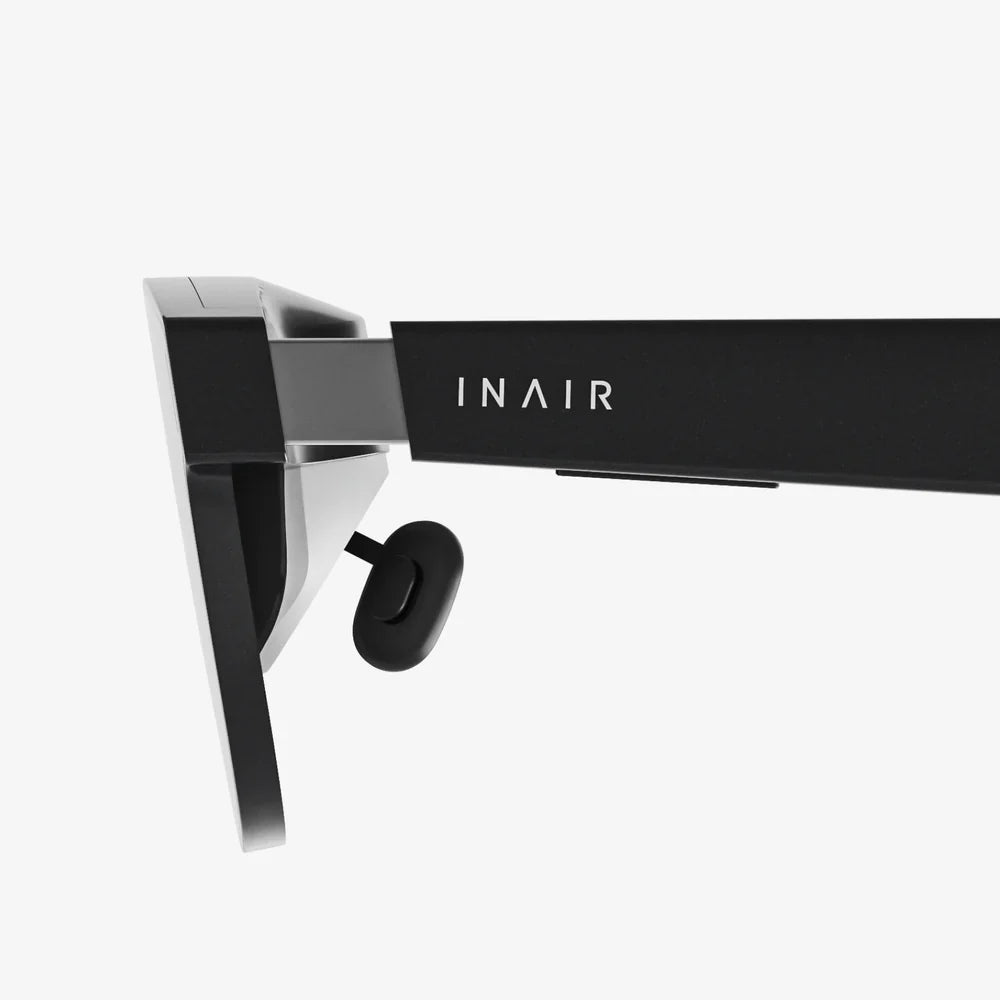
The world is putting on a headset, and the view through the lenses is nothing short of revolutionary. What was once the stuff of science fiction, a niche pursuit for hardcore gamers, has erupted into a cultural and technological force that is poised to redefine how we work, play, learn, and connect. The VR headset trend is not just about a new gadget; it’s a fundamental shift in our relationship with technology, offering a passport to boundless digital realms and a new lens through which to enhance our physical one. This is the story of that evolution, a deep dive into the currents pulling us into an immersive future.
From Clunky Contraptions to Mainstream Marvels: The Evolution of Hardware
The journey of the virtual reality headset is a testament to rapid technological acceleration. The earliest commercial iterations were characterized by their bulk, their tethers to powerful computers, and their often prohibitive cost. They were impressive proofs-of-concept, but they remained out of reach for the average consumer, both financially and practically. The experience, while awe-inspiring, could also be isolating and physically demanding, with issues like latency-induced motion sickness creating a significant barrier to entry.
Today, the hardware landscape is dramatically different. The trend is unmistakably towards accessibility, comfort, and power. We are witnessing a bifurcation in the market that is actually broadening its appeal. On one end, standalone or all-in-one headsets have become the gateway to VR for millions. These untethered devices, with their integrated processors, batteries, and tracking systems, offer a freedom and simplicity that was previously unimaginable. Users are no longer cordoned off in a dedicated room; they can dive into virtual worlds anywhere with enough space to move safely.
On the other end of the spectrum, high-fidelity headsets connected to powerful computing systems continue to push the boundaries of visual and auditory fidelity. These devices cater to professionals and enthusiasts who demand the most realistic simulations, the most intricate details, and the most seamless experiences. The key trend here is not just raw power, but refinement—better lenses for a sharper picture, wider field-of-view for greater immersion, and advanced inside-out tracking that eliminates the need for external sensors, making setup a breeze.
Perhaps the most significant hardware trend, however, is the move towards hybrid functionality. The latest generation of headsets is increasingly blurring the line between virtual reality and augmented reality. Through high-resolution passthrough cameras, users can see their real-world environment in real-time, overlaid with digital information. This transforms the device from a portal to another world into a powerful tool for enhancing our own. This fusion of the physical and digital, often referred to as mixed reality, is arguably the most important direction for the hardware, positioning the headset not as an escape from reality, but as a new layer on top of it.
Beyond the Game: Enterprise and Productivity Revolution
While gaming remains a powerful engine for adoption, the most transformative applications of VR are emerging far beyond the entertainment sphere. Enterprises are leveraging immersive technology to solve real-world problems, save money, and increase efficiency. The corporate world's embrace of VR is a major pillar of the current trend, signaling its maturity and tangible value.
- Design and Prototyping: Automotive companies, architects, and product designers are using VR to create and interact with 3D models long before a physical prototype is built. An engineer can sit inside the virtual cockpit of a new car design to check sightlines and ergonomics. An architect can walk a client through a building that exists only as a digital blueprint, allowing for changes to be made instantly and cost-effectively.
- Training and Simulation: This is arguably the killer app for enterprise VR. From training surgeons for complex procedures to preparing warehouse employees for safety protocols, VR offers a risk-free environment to practice, fail, and learn. It’s being used to train airline pilots, police officers, and firefighters in highly realistic scenarios that would be too dangerous, expensive, or logistically impossible to replicate in the real world. The result is a workforce that is better prepared and more confident.
- Remote Collaboration: The global shift towards remote and hybrid work has accelerated the need for better collaboration tools. Video conferencing is two-dimensional and often exhausting. VR collaboration platforms offer a compelling alternative: a shared virtual space where participants, represented by avatars, can interact with 3D models, whiteboard ideas in mid-air, and feel a genuine sense of co-presence. This has profound implications for global teams, enabling a level of interaction that feels far more natural and productive than a grid of faces on a screen.
The Social Metaverse: Redefining Human Connection
The concept of the metaverse has become inextricably linked with the VR headset trend. While the full vision of a persistent, interconnected virtual universe is still years away, the foundational elements are being built today within social VR platforms. These spaces are not about gaming with friends; they are about being with them.
Users create digital avatars that serve as their bodily representatives in these virtual worlds. The magic lies in the embodiment. Advanced tracking technology translates a user’s real-world movements—a nod, a hand gesture, a shrug—into their avatar in real-time. This enables non-verbal communication, a critical component of human interaction that is completely lost in traditional text or video chat. The sense of sharing a space with someone, of making eye contact and reading body language, fosters a deeper emotional connection and a powerful sense of presence.
These social VR spaces are hosting an incredible variety of human experiences. People are attending live concerts with friends from across the globe, feeling as if they are in the front row together. They are watching movies in virtual theaters, visiting art galleries, playing casual games, or simply hanging out in breathtaking digital environments. For many, particularly those facing physical isolation or social anxiety, these platforms provide a vital outlet for connection and community. This trend points towards a future where our social lives will have a significant digital dimension, with VR headsets serving as the primary gateway.
Challenges on the Horizon: Navigating the Immersive Future
Despite the exciting momentum, the VR headset trend is not without its significant challenges. For widespread, lasting adoption to occur, the industry must confront and overcome several key hurdles.
Content Accessibility and the "Killer App": While the library of VR experiences is growing, the question of a definitive, must-have application beyond gaming remains. The ecosystem needs more high-quality, engaging, and regularly updated experiences that compel users to return to their headsets daily. The success of any platform hinges on its software, and VR is no different.
The Social and Psychological Impact: As we spend more time in immersive digital worlds, questions about the long-term effects on our psychology and social structures are paramount. How does embodied virtual interaction change our perception of self and others? What are the protocols for safety, privacy, and moderation in these spaces? Establishing ethical guidelines and digital rights within the metaverse is a complex but essential task.
Digital Divide and Accessibility: High-quality VR hardware remains a significant investment. There is a real risk that these immersive technologies could exacerbate existing social and economic inequalities, creating a divide between those who can afford to access these new digital frontiers and those who cannot. Furthermore, designing experiences that are accessible to users with different physical abilities is a critical and ongoing challenge.
Comfort and Form Factor: While improving, headsets can still be cumbersome. Issues like simulator sickness, eye strain, and the simple physical weight of the device can limit session times. The ultimate goal is a device that is as comfortable and unobtrusive as a pair of everyday glasses, a milestone that will require breakthroughs in display technology, battery life, and miniaturization.
The Next Frontier: What Lies Beyond the Horizon?
The current trends are merely the foundation for an even more transformative future. Several emerging technologies are set to catapult the VR experience to new heights. Haptic feedback suits and gloves are moving beyond simple vibration to simulate the sensation of touch, allowing users to feel the texture of a virtual object or the pressure of a digital handshake. Neural interface technology, though in its infancy, explores the possibility of controlling virtual environments with our thoughts, potentially eliminating the need for controllers entirely and creating the ultimate seamless interface.
Furthermore, the integration of artificial intelligence will be profound. AI will power more realistic and responsive non-player characters, create dynamic and ever-changing virtual worlds, and even generate personalized experiences tailored to individual users. AI could also assist in overcoming the hardware's limitations, using techniques like foveated rendering—which focuses processing power only where the user is looking—to dramatically improve performance and visual quality.
The trajectory is clear: VR is evolving from a isolated, visual experience into a multi-sensory, connected, and intelligent platform. It is shifting from a destination to a utility, an invisible layer integrated into our daily workflows and social routines.
Imagine a not-too-distant future where your headset is less of a dedicated device and more of a constant companion. You slip on a lightweight pair of glasses to overlay a digital workspace with multiple large monitors onto your clean physical desk. You join a meeting where 3D data visualizations are manipulated by colleagues who feel present in the room. Later, you take them off to enjoy a real-world activity, only to put on a more immersive version later to explore a historical site with a friend living on another continent. This seamless blending of realities is the true endgame of the VR headset trend.
The headset is no longer just a screen you look at; it's becoming a window you step through, a tool you wield, and a lens that augments your perception of everything. The journey into the virtual is, paradoxically, teaching us new ways to value, enhance, and connect within the real—and that is a trend nobody can afford to ignore.
Share:
Best VR Headset India Under 3000: Your Ultimate Guide to Affordable Immersion
Cheap VR Headset Germany: Your Ultimate Guide to Affordable Virtual Reality