


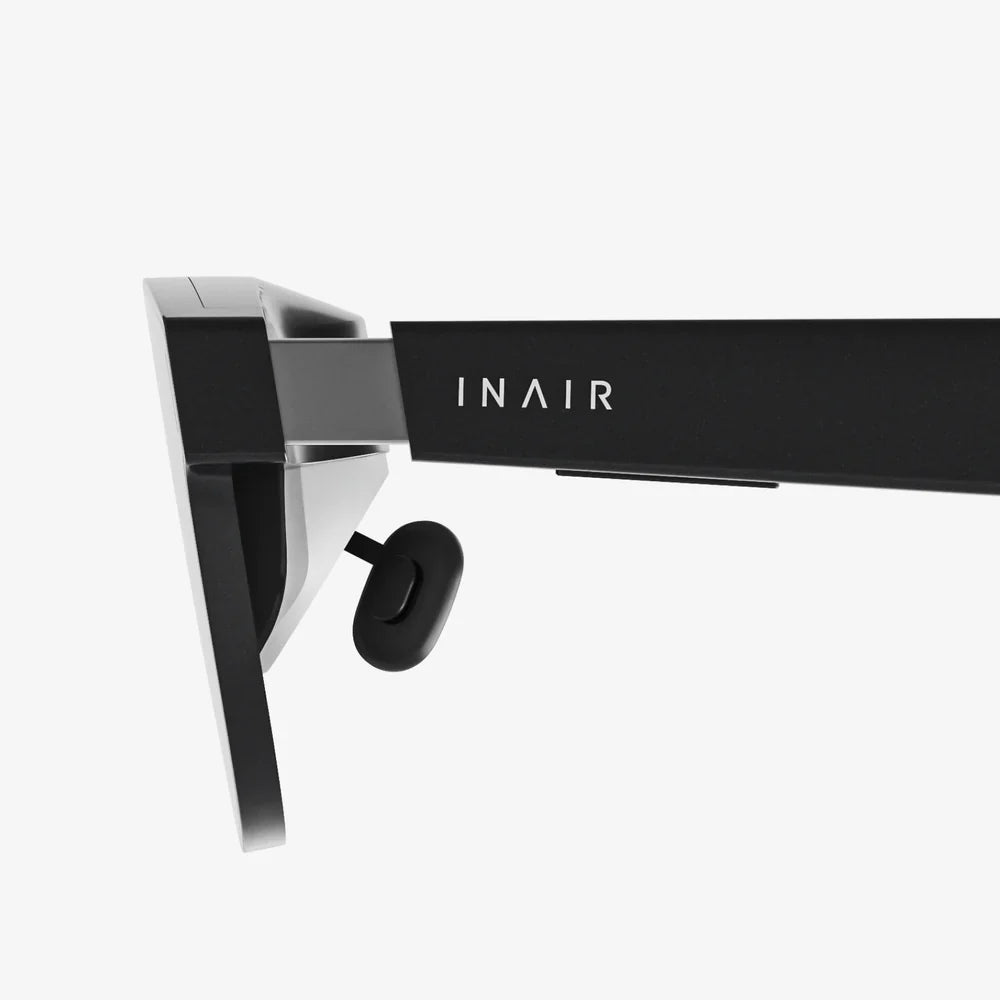
Imagine strapping on a device and instantly being transported to a front-row concert seat, a strategic battlefield, or a faraway planet. This is the promise of virtual reality, a technological marvel once reserved for deep-pocketed enthusiasts. But what if you could unlock these breathtaking experiences for less than the cost of a new game console? The quest for a capable VR headset under $150 is no longer a fantasy—it's a very real gateway to the metaverse that won't break the bank. The barrier to entry has crumbled, inviting a new wave of explorers to see what the virtual fuss is all about. Ready to take the plunge?
The Affordable VR Revolution: More Power for Less
For years, high-quality virtual reality was synonymous with high cost. Early adopters faced a significant financial hurdle, needing powerful computers in addition to expensive hardware. This landscape has dramatically shifted. The market has matured, manufacturing processes have improved, and competition has intensified, leading to a new category of accessible devices. A VR headset under $150 represents a paradigm shift, moving VR from a niche hobby to a mainstream entertainment medium. This price point is the sweet spot for curious newcomers, families, educators, and anyone who wants to experience the magic of VR without a staggering initial investment.
The driving force behind this affordability is primarily the smartphone. Many budget-friendly headsets function as sophisticated holders for your phone, utilizing its high-resolution screen, powerful processors, and advanced sensors to create the VR experience. This clever approach eliminates the need for built-in displays and computing hardware, drastically cutting costs. Furthermore, the proliferation of standalone headsets—devices with all the necessary technology built-in—has created a competitive market where features once considered premium are now trickling down to entry-level models.
Understanding the Types of Headsets in This Range
Not all affordable VR headsets are created equal. Understanding the fundamental differences is key to choosing the right one for your needs. Generally, you'll encounter two main types within this budget-friendly category.
Smartphone-Based Headsets
These are the most common and accessible options. They consist of a head-mounted shell with lenses but lack their own screen. You slot your smartphone into the headset, and it becomes the display. The lenses then warp and focus the screen's image to create the stereoscopic 3D effect that is the foundation of VR.
- Pros: Extremely affordable, lightweight, leverages technology you already own, huge library of compatible apps and games.
- Cons: Experience quality is entirely dependent on your phone's capabilities (screen resolution, processor, gyroscope), can drain phone battery quickly, often lack advanced controllers, leading to a more passive experience.
Standalone Headsets (The Emerging Contender)
This category is the most exciting development in budget VR. Standalone headsets have all the necessary components—processor, sensors, display, battery—built directly into the unit. They are completely untethered from a phone or a computer, offering a more consistent and often more immersive experience.
- Pros: All-in-one convenience, consistent performance optimized for VR, usually include dedicated motion controllers for interaction, no drain on your phone.
- Cons: Historically were more expensive, but prices are falling fast into the under-$150 range, though often through sales or older model discounts. Their processing power is less than that of a high-end phone or PC-tethered headset.
The market is dynamic, and the line between these categories is blurring. It's now possible to find previous-generation standalone headsets dipping at or near this price point, especially during promotional periods, offering incredible value.
Key Features to Scrutinize Before You Buy
While the price tag is appealing, you must look beyond it to ensure a satisfying experience. Here are the critical specifications and features to evaluate when hunting for a VR headset under $150.
Field of View (FOV)
Measured in degrees, the FOV is how much of the virtual world you can see at once. A wider FOV (90-110 degrees is good for this range) is more immersive, making you feel like you're inside the environment. A narrow FOV can feel like looking through binoculars or a scuba mask, which can shatter the illusion.
Display Resolution and Screen Door Effect
This is crucial for clarity. For smartphone-based headsets, this depends on your phone's screen. A 1080p display will look noticeably pixelated, while a 1440p or higher resolution (Quad HD or QHD) is a significant improvement. The "screen door effect"—the visible grid of lines between pixels—is greatly reduced with higher resolutions. Standalone headsets will advertise their own display specs; look for the highest combined resolution you can find.
Tracking: Degrees of Freedom (DoF)
This is perhaps the most important technical differentiator.
- 3DoF (Three Degrees of Freedom): Most common in basic smartphone headsets. It tracks rotational movement: you can look up/down, left/right, and tilt your head. However, if you lean forward or move side-to-side, the virtual world moves with you. It's fine for watching 360° videos or playing simple games but feels limited for interactive experiences.
- 6DoF (Six Degrees of Freedom): The gold standard for immersion. It tracks both rotation and positional movement. You can lean, dodge, crouch, and walk around (within a safe boundary), and the VR world responds accordingly. This is a feature typically found in more expensive standalone headsets, but it is becoming available in this budget range, revolutionizing affordable VR.
Controllers
A simple magnetic or button-based controller for smartphone VR is better than nothing, but for true immersion, you want motion controllers. These are held in your hands and tracked in 3D space, allowing you to reach out, grab, throw, and manipulate objects naturally. The presence and quality of controllers are a major factor in the level of interaction a headset can offer.
Comfort and Adjustability
VR is no fun if the headset is painful to wear. Look for adjustable head straps (over-the-head straps are generally better than simple elastic bands), padded face plates, and adjustable lenses for IPD (Interpupillary Distance—the distance between your eyes). Good weight distribution is key to avoiding pressure on your face during longer sessions.
Setting Realistic Expectations: The Experience
A VR headset under $150 will not deliver the same crystal-clear, high-fidelity experience as a device costing three or four times as much. However, what it can deliver is still profoundly impressive and incredibly fun. The experience is often comparable to early-generation flagship VR hardware, which was mind-blowing at the time.
You can expect to enjoy:
- Captivating 360° Videos and Travel Experiences: Visit the International Space Station, walk through the streets of Tokyo, or stand in the midst of a wildlife documentary.
- Light and Addictive Games: While you won't be playing the most graphically intensive AAA titles, the libraries for these platforms are filled with fun, arcade-style games, puzzles, and rhythm experiences that are perfect for short sessions.
- Social VR and Events: Attend live virtual events, meet friends in social spaces, and watch movies together in a virtual theater.
- Educational and Creative Apps: Explore the human body in 3D, paint in a virtual space, or learn about history through immersive recreations.
Manage your expectations regarding graphical fidelity and processing power, and you will be consistently delighted by what is possible.
Must-Try Apps and Games for Your New Headset
Once you have your headset, the next step is exploring its ecosystem. Here are some types of experiences to seek out first:
- VR Video Platforms: Apps like YouTube VR are essential for browsing millions of 360° videos.
- Rhythm Games: Titles like Beat Saber-inspired games are phenomenally popular and a fantastic workout.
- Exploration Apps: Wander lets you explore real-world locations through street view data in VR, which is perfect for travel.
- Social Hubs: Platforms like VRChat (for older audiences) or AltspaceVR offer places to hang out, play games, and attend events with people from around the world.
Always check the app store relevant to your headset for its specific curated list of top-free and top-paid applications.
The Verdict: Is a Budget VR Headset Right for You?
A VR headset under $150 is a perfect entry point into virtual reality. It's designed for the curious, the budget-conscious, and those who want to dip their toes in the virtual water before committing to a more expensive setup. It's an excellent gift for families or a great tool for educators looking to bring immersive learning into the classroom.
If your primary goal is to experience the cutting edge of VR with the highest-resolution graphics and most complex simulations, you may eventually want to upgrade. But for the vast majority of people, the experiences offered by today's affordable headsets are more than sufficient to provide countless hours of wonder and entertainment.
The virtual realm is calling, and it no longer requires a king's ransom to answer. With a thoughtful approach to your purchase, you can unlock a new dimension of entertainment, learning, and social connection. The future of affordable VR is not just bright; it's already here, waiting for you to put it on and hit play. Your adventure into countless worlds begins now, and the only ticket you need is surprisingly within reach.
Share:
What Is AR and MR? A Deep Dive Into Our Blended Reality
Best VR Headset on the Market: The Ultimate 2024 Buyer's Guide