


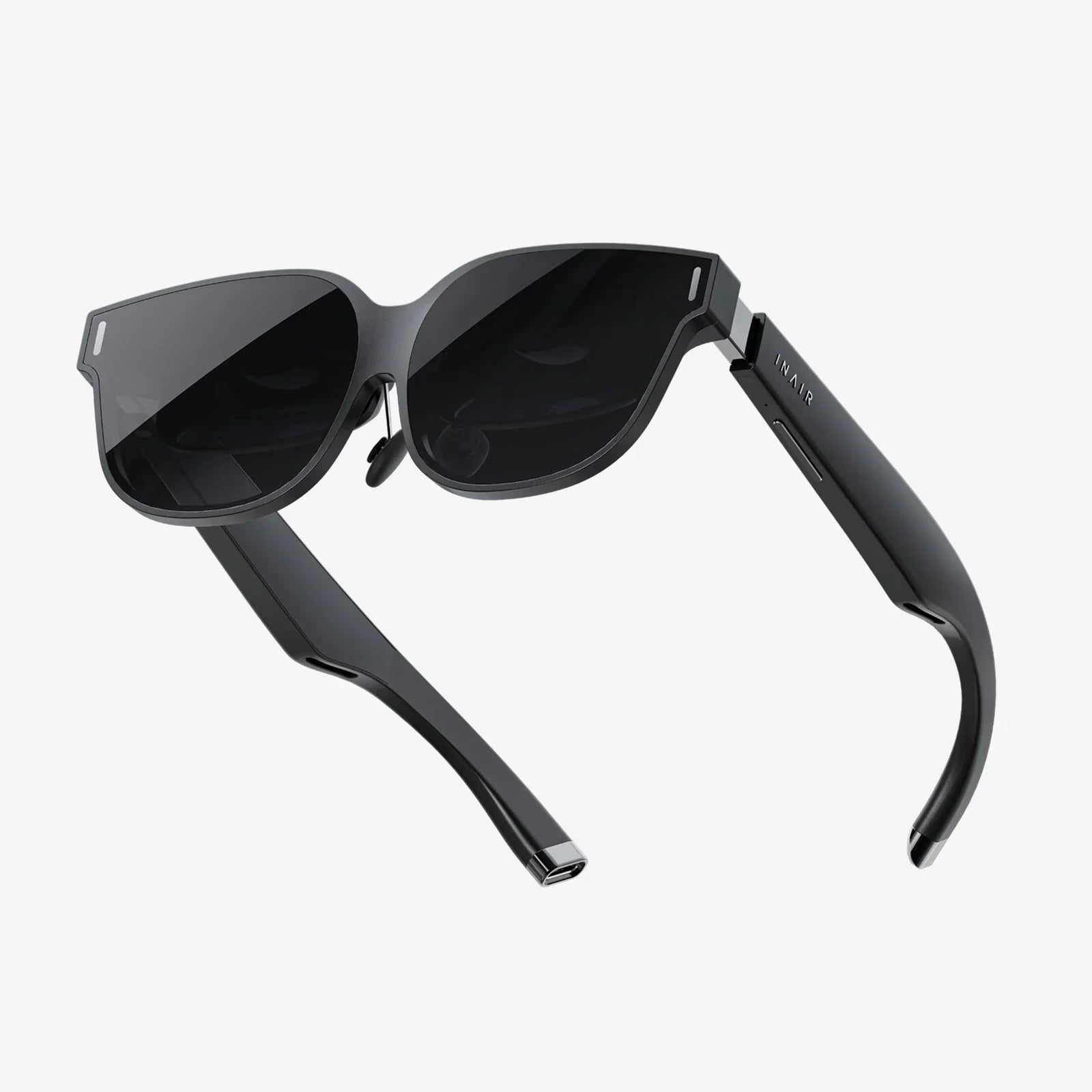
You strap on a familiar device, expecting the virtual world you left just last week, but something is profoundly different. The edges are sharper, the world feels more responsive, and an entirely new suite of possibilities unfolds before your eyes. This isn't magic; it’s the power of relentless, behind-the-scenes VR headset updates, a silent technological revolution that is doing far more than just boosting resolution. It's fundamentally rewriting the rules of human-computer interaction, social connection, and professional productivity, all from inside a headset that is constantly evolving long after it leaves the factory.
Beyond the Hype: The Silent Software Revolution
For many, the story of virtual reality is told through hardware launches: a new model with a higher-resolution display, a wider field of view, or a more elegant design. While these milestones are crucial, this perspective misses the entire heartbeat of the industry. The true lifeblood of modern VR is the continuous, often monthly, stream of software and firmware updates. These are not mere bug fixes or minor tweaks; they are comprehensive overhauls that can redefine the capabilities of the hardware sitting on your shelf.
Consider the concept of the "day one patch." A headset ships with a certain feature set, but developers are already months ahead, finalizing a massive update that unlocks performance enhancements, new tracking algorithms, and system-level features that were simply not ready at the time of manufacturing. This means the product you unbox is, in a very real sense, an incomplete vessel, waiting for its final form to be downloaded. This shift from a static product to a dynamic, evolving platform is the single most important trend in consumer electronics today, and VR is at its absolute forefront.
Deconstructing an Update: More Than Meets the Eye
To understand the scale of this evolution, we must look under the hood of a typical major update. The changes are often layered, affecting every aspect of the experience.
Visual Fidelity and Performance Optimization
This is the most visible area of improvement. Updates frequently include:
- Enhanced Resolution and Clarity: Through advanced rendering techniques and more efficient use of the display hardware, updates can make virtual text sharper and distant objects clearer, reducing the "screen door effect" without changing a single physical component.
- Improved Refresh Rates: A smoother, more comfortable experience is often unlocked by enabling higher refresh rates (e.g., 90Hz to 120Hz), reducing latency and the potential for motion sickness. This is a pure software unlock that leverages the existing display's potential.
- Advanced Rendering Techniques: The adoption of techniques like foveated rendering, where the image quality is maximized only in the user's direct line of sight, is deployed via software. This dramatically reduces the computational load, allowing for more complex and beautiful virtual worlds on the same hardware.
The Intelligence Layer: AI and Machine Learning
This is where updates become truly revolutionary. Machine learning models are being pushed to headsets to create smarter, more intuitive experiences.
- Inside-Out Tracking 2.0: The initial inside-out tracking systems were impressive, but updates have supercharged them. By refining the computer vision algorithms, updates have drastically improved controller tracking, reducing jitter, eliminating occlusion issues, and expanding the playable volume. The headset literally "sees" its environment and your hands more accurately over time.
- Hand Tracking Unleashed: What started as a experimental feature has, through iterative updates, become a primary input method. Machine learning models have been refined to understand subtle finger gestures, pinches, and full-hand poses with stunning accuracy and low latency, enabling controller-free interaction that feels like magic.
- Passthrough and Mixed Reality Evolution: The crude, monochrome passthrough of early headsets has been transformed into a vibrant, color, depth-aware window into the real world. Updates continuously improve the distortion correction, latency, and overall quality of this view, making blended reality experiences not just possible, but compelling and safe.
The Social and experiential Core
Updates are also intensely focused on the human element.
- Avatars and Expression: The journey from legless, floating torsos to full-body avatars with eye and face tracking is being driven by software. Updates deliver more expressive, empathetic, and believable digital representations of ourselves, which is critical for meaningful social interaction in virtual spaces.
- User Interface (UI) and User Experience (UX): The dashboard you use to navigate menus, launch apps, and interact with friends is constantly being refined. Major updates often completely overhaul this environment, making it faster, more intuitive, and more powerful based on millions of hours of user data.
The Ripple Effect: How Updates Fuel the Entire Ecosystem
The impact of headset updates extends far beyond the individual user. They create a powerful ripple effect that energizes the entire VR ecosystem.
Empowering Developers
For developers, a platform that evolves is a platform of opportunity. A major software development kit (SDK) update that introduces a new API for hand tracking or passthrough instantly gives every developer with that headset a new toy to play with. This means a game or application released two years ago can receive a patch that integrates full hand support or a mixed reality mode, breathing new life into it without requiring users to buy new hardware. It democratizes innovation, allowing solo developers and large studios alike to build on the latest technological foundations.
Extending Hardware Lifespan and Sustainability
This model challenges the traditional consumer electronics cycle of planned obsolescence. Instead of a headset becoming outdated in 18 months, it gains significant new features for years. This not only provides immense value to the consumer but also represents a more sustainable approach to technology. By maximizing the utility and capabilities of existing devices through software, the industry can reduce electronic waste and build longer-term customer loyalty.
Creating a Unified, Yet Diverse, Platform
As different manufacturers push updates to their respective devices, they are often converging on similar feature sets: hand tracking, inside-out tracking, passthrough. This creates a more unified baseline for developers to target, making it easier to port experiences across different hardware. Yet, through specific software enhancements, each platform can also maintain its unique identity and strengths, fostering healthy competition and choice.
The Challenges and Responsibilities of a Living Platform
This always-connected, ever-evolving model is not without its significant challenges.
- Software Fragmentation: Not all users update their devices immediately. This can create a situation where a developer must support multiple versions of an operating system with different capabilities, complicating development and testing.
- Privacy and Data Security: Headsets with advanced sensors and cameras are collecting unprecedented amounts of data about our homes, our bodies, and our behaviors. Continuous updates must include robust and transparent security patches to protect this deeply personal information. The industry must treat user data with the utmost responsibility.
- The "Beta" Culture: There is a risk of releasing half-baked features labeled as "experimental" or "beta" simply to meet a deadline. While iterative development is valuable, maintaining a high bar for stability and polish is essential for user trust.
The Future: What Lies on the Update Horizon?
If the current pace of innovation is any indicator, the next wave of updates will be even more transformative. We can anticipate:
- Photorealistic Avatars: Driven by neural networks and better sensors, our digital selves will become near-indistinguishable from reality, capturing micro-expressions and subtle body language.
- Context-Aware AI Assistants: Your headset will understand not just your commands, but the context of the virtual world you're in. Asking "how do I solve this?" while looking at a puzzle in a game could yield a contextual hint.
- Seamless Reality Blending: The line between VR and MR will dissolve entirely. Updates will enable dynamic, real-time interaction between physical and virtual objects, with the headset understanding the geometry and physics of your room perfectly.
- Neural Interfaces: While further out, early forms of input via non-invasive sensors (e.g., for basic menu control via thought) could debut as experimental features in a future update, beginning a new chapter in human-computer interaction.
Imagine putting on your headset not to escape reality, but to enhance it. Your morning workout is guided by a holographic trainer who corrects your form in real-time. Your work meeting takes place around a 3D model you can all manipulate with your hands, as naturally as passing a coffee mug. Later, you explore a digital archive of ancient Rome, superimposed with stunning accuracy onto the empty field it now is. This isn't a distant sci-fi fantasy; it's the inevitable destination pointed to by the trajectory of today's VR headset updates. The device on your face is slowly waking up, and its next big evolution is already queued up, waiting for its turn to download.
Share:
120 Inch Screen Glasses: The Ultimate Guide to Your Personal Cinema
120 Inch Screen Glasses: The Ultimate Guide to Your Personal Cinema