


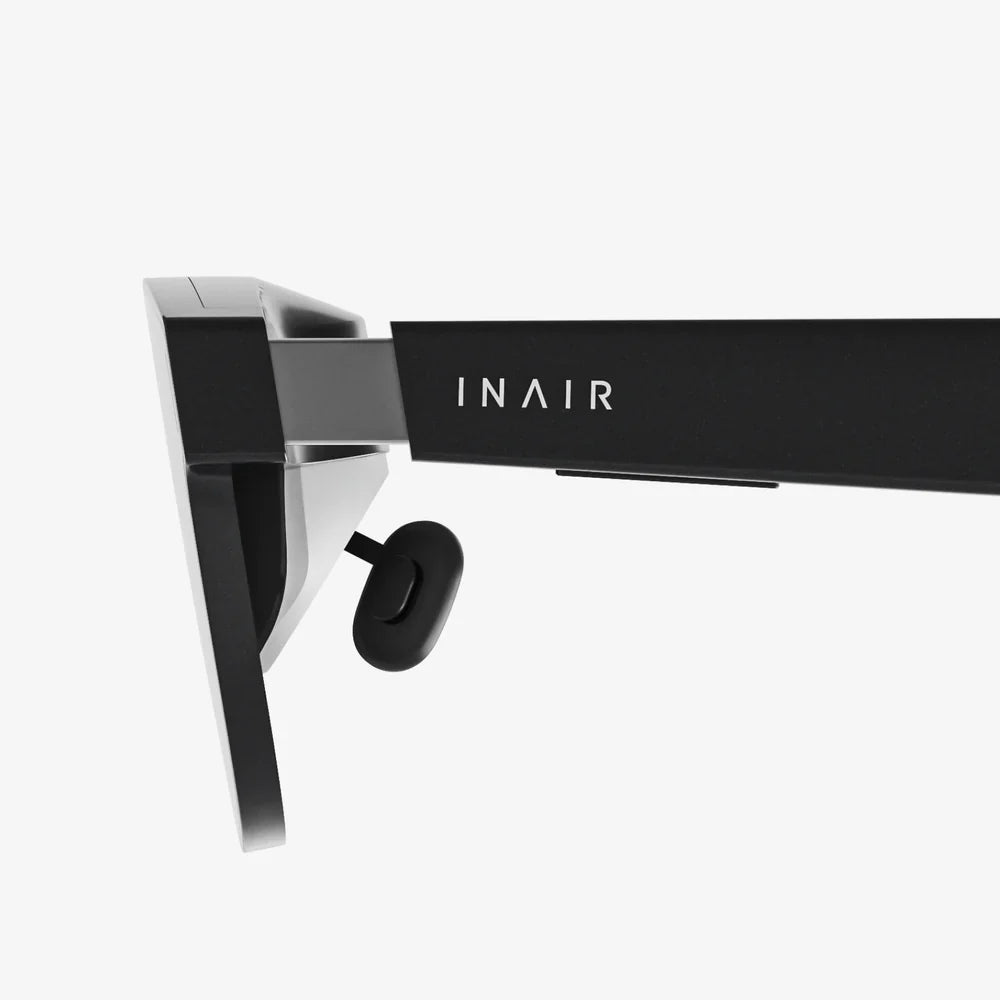
Imagine navigating the bustling, aromatic corridors of a Hanoi street market, feeling the humid air and hearing the cacophony of motorbikes and vendors, all from the comfort of your living room halfway across the globe. Or, picture a young student in the rural Mekong Delta, her eyes wide with wonder as she embarks on a immersive journey through the human bloodstream or the vastness of our solar system. This is no longer the stuff of science fiction; it is the rapidly materializing reality of the VR headset in Vietnam, a nation poised to become a significant player in the global virtual and augmented reality landscape. The fusion of a tech-savvy, youthful population, a booming digital economy, and a government pushing for Industry 4.0 integration has created a perfect storm, propelling Vietnam from a peripheral observer to a central hub of VR activity and adoption.
The Current Landscape: A Market Primed for Explosive Growth
The Vietnamese market for immersive technology is in a fascinating state of flux, characterized by rapid growth, intense curiosity, and a diverse range of applications. While still a nascent market compared to technological superpowers, the trajectory is steep and promising. The adoption curve is being shaped by several distinct user segments, each with its own drivers and preferences.
On the consumer front, the entry-level and standalone VR headset segment is witnessing the most significant uptake. The primary catalyst here is gaming and entertainment. Vietnamese youth, who constitute a large portion of the population, are incredibly receptive to new forms of digital entertainment. Local gaming cafes, a staple of urban culture, are beginning to evolve. Pioneering establishments are dedicating sections or entire floors to VR experiences, offering patrons the chance to dive into popular rhythm games, intense first-person shooters, or cooperative adventures. This social, arcade-style model lowers the barrier to entry, allowing millions to experience high-quality VR without the upfront cost of hardware, effectively seeding the market and building a passionate user base.
Beyond pure entertainment, there is a growing interest in immersive content consumption. 360-degree videos of Vietnam's stunning landscapes—from the terraced rice fields of Sapa to the pristine waters of Ha Long Bay—are being produced by tourism boards and content creators alike. This not only serves as a novel marketing tool but also fosters a sense of national pride and digital exploration.
Key Drivers Fueling the VR Revolution
The surge in interest and adoption of VR technology in Vietnam is not accidental. It is the direct result of a powerful convergence of demographic, economic, and infrastructural factors.
A Young, Digitally-Native Population
Vietnam's greatest asset in the digital age is its people. Over 70% of the population is under the age of 35, creating a massive demographic that is not just comfortable with technology but actively embraces it. This generation grew up with the internet and smartphones, making the leap to immersive, interactive 3D environments a natural and intuitive progression. Their inherent curiosity and willingness to experiment with new tech make them the ideal early adopters and evangelists for VR.
Government Backing and the "Industry 4.0" Mandate
The Vietnamese government has made a decisive commitment to the digital transformation of its economy. The national "Industry 4.0" strategy explicitly promotes the development and application of advanced technologies, including Artificial Intelligence, Big Data, IoT, and notably, Virtual and Augmented Reality. This top-down support manifests in various ways: funding for tech startups through initiatives like the National Technology Innovation Fund, the development of tech parks and innovation hubs in major cities, and digital upskilling programs. This creates a favorable environment for both local VR developers and international companies looking to establish a foothold in Southeast Asia.
Soaring Internet Penetration and Mobile Connectivity
Vietnam boasts one of the highest internet penetration rates in Southeast Asia, with over 70% of the population regularly online. Furthermore, the country is a mobile-first nation, with smartphone ownership being nearly ubiquitous. This widespread connectivity is the essential bedrock for VR adoption, especially for standalone and mobile-powered headsets. The rapid rollout of 5G networks by major telecom providers will further accelerate this, reducing latency and enabling more complex cloud-based VR experiences and social applications.
Transforming Industries: VR Beyond Gaming
While consumer fun is a major driver, the most profound impact of VR in Vietnam is being felt across its key economic sectors. Enterprises are leveraging the technology to solve real-world problems, enhance efficiency, and create new value propositions.
Education and Training: The Virtual Classroom
The education sector stands to gain immensely from VR. In a country where classroom sizes can be large and resources sometimes limited, VR offers an unparalleled tool for experiential learning. Imagine history students not just reading about the Battle of Dien Bien Phu, but standing in a virtual re-creation of the valley. Medical students can practice complex surgical procedures in a risk-free environment, and engineering students can deconstruct and reassemble virtual engines. This technology has the potential to democratize high-quality education, making immersive learning experiences accessible to students in remote areas, thus bridging the educational gap between urban and rural Vietnam.
Real Estate and Tourism: Try Before You Buy
For the real estate industry, VR has become a game-changer. Developers of high-end apartments, office buildings, and even entire new urban areas are creating photorealistic virtual tours. Potential buyers, both domestically and internationally, can put on a headset and take a self-guided walkthrough of a property that exists only on blueprints. This saves time, expands the potential buyer pool globally, and serves as a powerful marketing tool. Similarly, the tourism industry uses VR to offer virtual previews of hotel rooms, resort amenities, and tour packages, enticing travelers to visit destinations like Phu Quoc or Da Nang.
Manufacturing and Design: Prototyping in the Metaverse
Vietnam's robust manufacturing sector is beginning to integrate VR into its workflows. Automotive and electronics companies are using VR for virtual prototyping, allowing designers and engineers to collaborate on 3D models in a shared virtual space, regardless of their physical location. This drastically reduces the time and cost associated with physical prototyping. Furthermore, VR is used for training factory workers on complex assembly line tasks and for simulating safety procedures, minimizing workplace accidents.
Unique Challenges on the Path to Adoption
Despite the immense optimism, the path to widespread VR adoption in Vietnam is not without its hurdles. Recognizing these challenges is crucial for understanding the market's full context.
Cost and Accessibility: While prices are falling, a high-quality, PC-powered VR headset still represents a significant investment for the average Vietnamese consumer, often costing several times the monthly minimum wage. This keeps true high-fidelity VR experiences largely within the domain of commercial establishments or affluent households.
Limited Localized Content: A technology is only as good as its content. While there is a growing community of local developers, the library of VR experiences specifically tailored for the Vietnamese audience—with Vietnamese language, cultural context, and themes—is still limited. The market's long-term success hinges on the creation of compelling local content that resonates with users.
Technical Infrastructure and Awareness: Outside of major urban centers, awareness of VR's potential beyond gaming is still low. Additionally, while internet connectivity is good, the consistent high-bandwidth required for seamless cloud VR is not yet universal, potentially limiting applications in more remote provinces.
The Road Ahead: A Glimpse into Vietnam's Virtual Future
The future of VR in Vietnam is dazzlingly bright. The current trends point towards several key developments. We will see a surge in locally-developed content as the creator ecosystem matures, telling uniquely Vietnamese stories through an immersive medium. Social VR platforms will likely take off, offering new ways for people to connect, attend virtual concerts, and socialize, aligning perfectly with the country's highly communal culture. As the technology becomes more affordable and powerful, enterprise adoption will deepen, moving from pilot projects to core operational tools across healthcare, architecture, and retail. Vietnam is not just adopting a new piece of hardware; it is actively building a bridge into its own digital future.
The hum of a VR headset in Vietnam is more than just the sound of a cooling fan; it's the sound of a nation booting up its future. It represents the eager curiosity of a student, the competitive spirit of a gamer, the innovative drive of an entrepreneur, and the strategic vision of a country racing towards a digital horizon. For businesses, developers, and consumers worldwide, Vietnam is no longer just a market to watch—it is a vibrant, dynamic, and essential frontier in the global VR story, offering a blueprint for how emerging economies can not only adapt to but actively shape the technological revolutions of tomorrow. The virtual door is open, and Vietnam is stepping through.
Share:
Do You Need a Headset for VR? The Ultimate Guide to Immersive Sound
VR Headset Refresh Rate Comparison: The Ultimate Guide to Smooth Immersion