


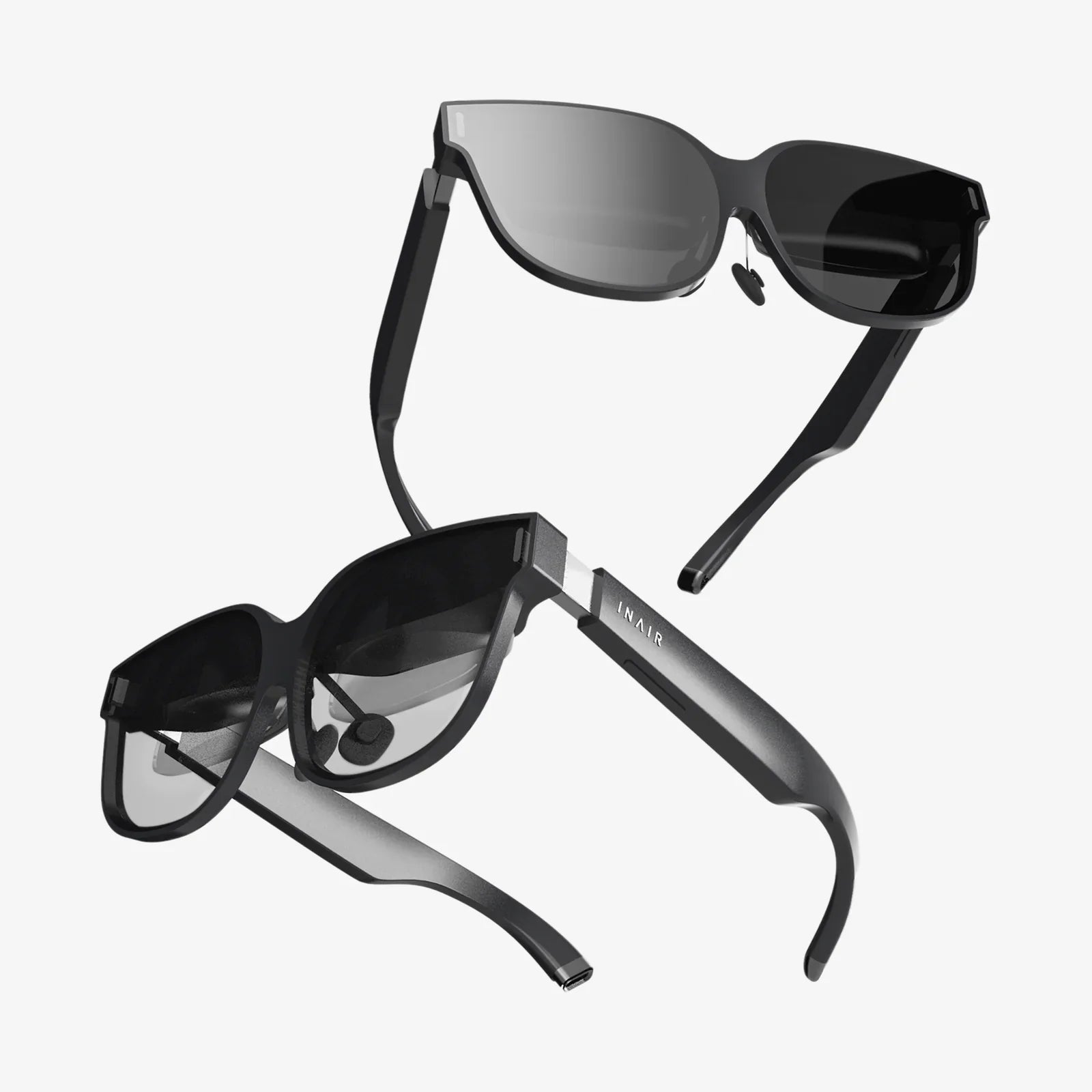
Imagine the lights dimming, the world around you fading into nothingness, and being transported not just in front of the screen, but directly into the heart of the story. This isn't the premiere of a blockbuster at a local multiplex; this is the future of cinema, and it’s happening right now, in the privacy of your living room, powered by a simple yet profound device: the virtual reality headset. The concept of VR headset watching movies is rapidly evolving from a sci-fi fantasy into a tangible, breathtaking reality, offering an escape, an experience, and an emotional depth that traditional viewing simply cannot match. It promises a paradigm shift from passive observation to active immersion, and it’s an experience every film enthusiast needs to understand.
The Allure of the Virtual Cinema: Beyond the Silver Screen
For over a century, the fundamental experience of watching a movie has remained largely unchanged. We sit in a fixed position, looking at a flat, rectangular screen, separated from the action by the infamous fourth wall. While storytelling and cinematography have advanced leaps and bounds, the viewer's physical relationship with the film has been static. VR headset watching movies shatters this paradigm entirely.
Instead of looking at a world, you are placed inside it. The headset's technology tracks your head movements, allowing you to look around the virtual environment as if you were truly there. You can glance up at the towering skyscrapers in a cyberpunk cityscape, peer around a corner in a tense thriller, or simply admire the vast, star-filled universe in a space epic. This creates a profound sense of presence—the convincing feeling of being in a place other than your physical location. This psychological and sensory trick is the magic ingredient that makes VR cinema so compelling.
Setting the Scene: Your Personal IMAX Theater
One of the most immediate and impressive applications of VR for film is the virtual cinema. Dedicated applications allow you to choose from a variety of stunning virtual environments, from a cozy loft apartment with a rain-streaked window to a grandiose movie palace with velvet curtains and a towering screen. The scale is often immense, simulating a screen that would be dozens of feet wide in the real world. The sense of scale and isolation is incredible; you are the sole occupant of your own perfect, private IMAX theater.
The audio experience is equally transformative. Most modern headsets employ advanced 3D spatial audio. This means sound doesn't just come from the left or right; it can come from above, behind, or even a specific point in the distance within the virtual space. When a character whispers over your shoulder, you'll feel it. When a spaceship zooms from behind you to the front, the audio track will perfectly match that movement, creating a layer of immersion that even the most sophisticated home theater surround sound systems struggle to replicate with such pinpoint accuracy.
A New Language of Storytelling: 360-Degree and Volumetric Films
While watching traditional films in a virtual theater is fantastic, the true revolution lies in native VR content. Filmmakers are experimenting with new formats that can only exist within this medium.
- 360-Degree Videos: These films place you at the center of the action. The camera records in every direction simultaneously, and you, the viewer, control the perspective. You are an invisible observer in the scene, and the narrative unfolds all around you. This format is powerful for documentaries, placing you on the edge of a volcano, in the middle of a protest, or alongside wild animals on the savannah.
- Volumetric Films: This is the next frontier. Instead of a 2D video wrapped around a sphere, volumetric capture uses an array of cameras to create a three-dimensional, digital reconstruction of the actors and environment. This allows for a limited form of movement within the scene. You can lean in to examine an object on a table or walk a few steps around a character. It’s a significant step closer to true holodeck-style experiences, blurring the line between pre-recorded film and a interactive game.
These new formats demand a new directorial language. Where does the director guide the viewer's attention when they can look anywhere? How are scenes composed? This is a wild west of creativity, and the rules are being written now.
The Practicalities: Comfort, Hardware, and Content Libraries
Of course, this revolutionary experience comes with its own set of practical considerations. The most common concern is comfort, both physical and visual.
Modern headsets are significantly lighter and better balanced than their predecessors, but wearing a device on your face for a two-hour epic is different from playing a thirty-minute game. Factors like weight distribution, facial interface material, and even the tightness of the head strap play a huge role. Choosing a headset known for its ergonomics is crucial for long viewing sessions.
Visual comfort is primarily governed by two technical factors: resolution and refresh rate. Early headsets suffered from a "screen door effect," where you could see the faint lines between pixels, breaking immersion. Current-generation devices feature high-resolution displays that make this a non-issue for most users, rendering a crisp, clear image. The refresh rate (how many times the image updates per second) is vital for smoothness and reducing eye strain. A higher rate, ideally 90Hz or above, provides a more lifelike and comfortable experience, crucial for avoiding fatigue.
Content is readily available through various platforms. Major streaming services have developed VR applications, offering their vast libraries to be watched in virtual cinemas. Furthermore, there are dedicated VR platforms that specialize in both traditional films and native 360-degree content, often featuring curated experiences and festivals showcasing the best of this new medium.
Weighing the Experience: The Pros and Cons
Is VR the ultimate way to watch movies? The answer is nuanced and depends entirely on what you seek from your viewing experience.
The Undeniable Advantages
- Unmatched Immersion: The sense of presence and scale is unparalleled. You are isolated from distractions and completely enveloped by the film.
- A Perfect Personal Theater: It offers a giant screen and perfect, studio-quality audio regardless of your physical living situation or budget.
- Novel Storytelling: It provides access to a new, evolving art form with 360 and volumetric films that offer perspectives impossible in flat media.
- Customization: Watch how you want. Choose your environment, your screen size, and often even the social setting.
The Current Limitations
- Physical Comfort: Even the best headsets today have a presence on your face. Long movies require getting used to the feeling.
- Social Isolation: It is an inherently solitary experience. While social VR apps allow you to watch with friends' avatars, it's not the same as sharing a bowl of popcorn with a loved one on the couch.
- Visual Fidelity: While rapidly improving, even the highest-resolution headset cannot yet match the pixel-perfect clarity of a 4K OLED television viewed from a normal distance.
- The Setup: It requires more effort than simply turning on a TV. You need to put on the headset, ensure it's fitted correctly, and often launch a specific application.
The Horizon of Cinematic VR: What Does the Future Hold?
The technology is still in its relative infancy, but the trajectory is clear. Future headsets will be lighter, perhaps resembling standard sunglasses, with resolutions so high the human eye cannot distinguish pixels. They will use advanced eye-tracking to dynamically focus the image, mimicking how our eyes work in the real world to eliminate visual fatigue entirely.
We can expect a richer ecosystem of social viewing, where watching a movie becomes a shared virtual event with friends from across the globe, complete with interactive elements and lifelike avatars. Furthermore, the line between film and video game will continue to blur, giving rise to interactive narratives where your choices—where you look, what you say, how you move—genuinely impact the story, creating a deeply personal and infinitely re-watchable form of entertainment.
The act of VR headset watching movies is more than a novel gadget; it's the first step into a broader universe of experiential storytelling. It won't replace the communal joy of a packed theater or the simple comfort of a Friday night on the couch. Instead, it carves out a new, powerful niche. It offers the ultimate escape, a portal to other worlds that demands your attention and rewards you with a depth of experience that will change your relationship with film forever. The curtain is rising on this new era of cinema, and the best seat in the house is already on your head.
Share:
AI Sunglasses Features: The Ultimate Guide to Smart Eyewear Technology
VR Headset Purpose: More Than Just Gaming - The Ultimate Portal to New Realities